Month: May 2026

  • FULL LIST: Wike Loyalists Who Won APC Reps Tickets in Rivers

    FULL LIST: Wike Loyalists Who Won APC Reps Tickets in Rivers

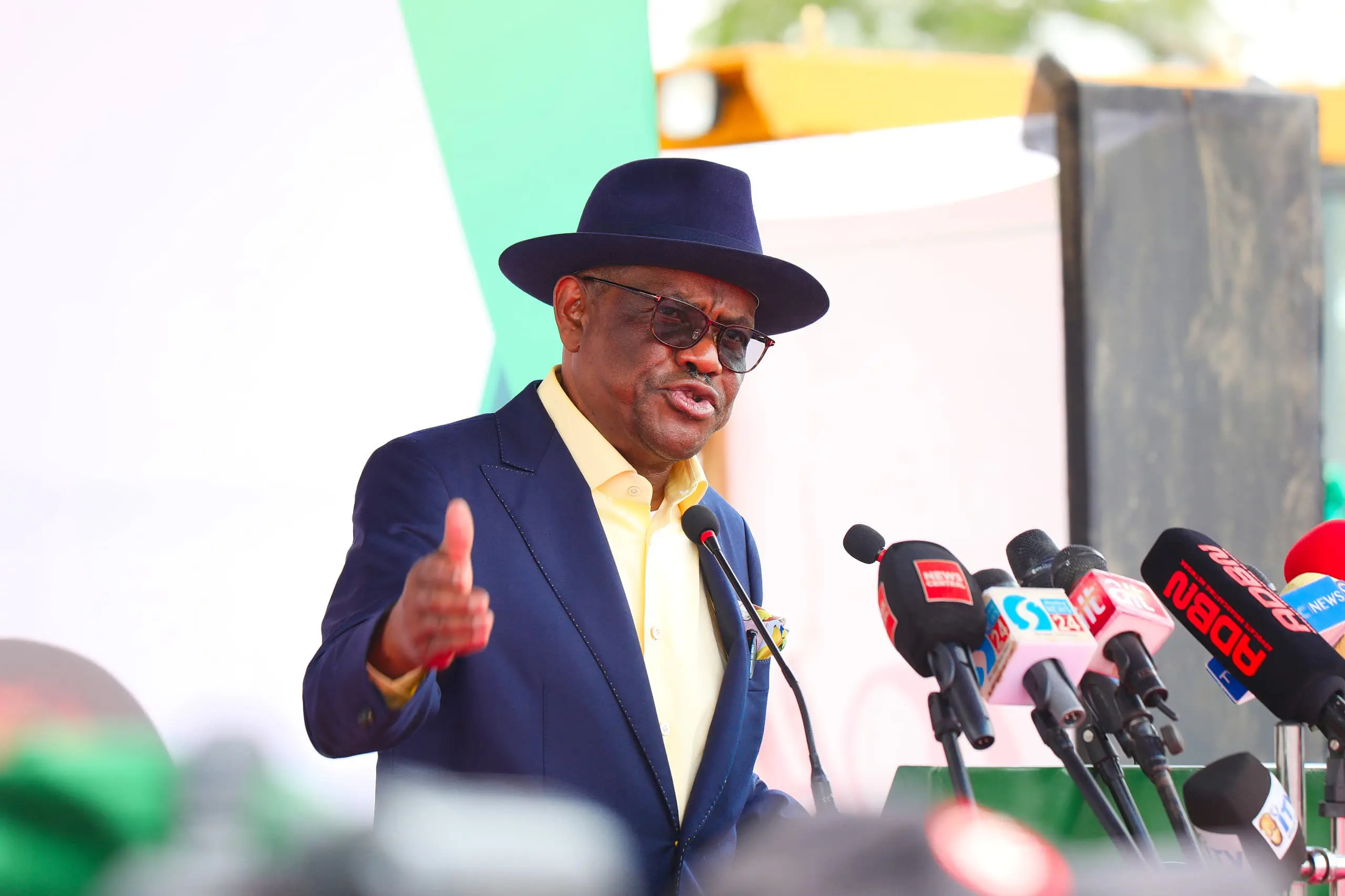
    Port Harcourt — Allies of the Minister of the Federal Capital Territory, Nyesom Wike, recorded sweeping victories in the All Progressives Congress (APC) House of Representatives primaries conducted across Rivers State, with several loyalists emerging as candidates for the 2027 general elections.

    The primaries, held across wards and federal constituencies in the state, reinforced the dominance of Wike’s political structure within the APC following the realignment that reshaped Rivers politics.


    Ejes Gist News reports that prominent figures including Martins Amaewhule and Dumnamene Dekor secured decisive victories in their respective constituencies.

    Full List of APC House of Reps Primary Winners in Rivers State

    S/N Winner Federal Constituency Votes Polled
    1 Martins Amaewhule Obio/Akpor 17,968
    2 Dumnamene Dekor Gokana/Khana 17,073
    3 Solomon Bob Abua/Odual/Ahoada East 16,079
    4 Frederick Apiafi Andoni/Opobo/Nkoro 8,550
    5 Hon. Igwe Precious Port Harcourt I 5,885
    6 Blessing Amadi Port Harcourt II 5,674
    7 Cyril Hart Degema/Bonny 7,203
    8 Isobo Jack Akuku-Toru/Asari-Toru 11,303
    9 Felix Nwaeke Eleme/Tai/Oyigbo 18,605
    10 Victor Obuzor Ahoada West/Ogba/Egbema/Ndoni 15,626
    11 Chibuzor Nwamaka Etche/Omuma 10,440
    12 Nyebuchi Joy Ikwerre/Emohua 13,704
    13 Linda Stewart Okrika/Ogu/Bolo 12,347

    Amaewhule Secures Obio/Akpor Ticket

    Martins Amaewhule emerged victorious in the Obio/Akpor Federal Constituency primary after polling 17,968 votes.

    Amaewhule, widely regarded as one of Wike’s closest political associates in Rivers State, now heads into the 2027 elections as the APC candidate for one of the state’s most politically strategic constituencies.

    Dekor Wins by Wide Margin

    Incumbent federal lawmaker Dumnamene Dekor retained the APC ticket for Gokana/Khana Federal Constituency after defeating rival Israel Ngbuelo by a wide margin.

    Dekor reportedly polled 17,073 votes against his challenger’s 1,220 votes, consolidating his political standing within the APC structure aligned with Wike.

    Other Key Victories

    Former lawmaker Solomon Bob clinched the APC ticket for Abua/Odual/Ahoada East Federal Constituency with 16,079 votes.

    Frederick Apiafi secured the ticket for Andoni/Opobo/Nkoro Federal Constituency after polling 8,550 votes.

    Felix Nwaeke recorded one of the highest vote totals in the primaries, polling 18,605 votes to emerge candidate for Eleme/Tai/Oyigbo Federal Constituency.


    Also Read: FULL LIST: 5 Serving APC Reps Lose Return Tickets

    Electoral Committee Declares Exercise Peaceful

    Chairman of the APC Election Committee, Wahab Owokoniran, announced the results at the party secretariat in Port Harcourt and described the exercise as orderly and peaceful.

    According to him, the primaries were conducted without violence or major disruptions despite political tensions surrounding the exercise.

    “I want to let the world know that the election was conducted in a peaceful atmosphere. We did not experience any form of rancour, infighting or any problem whatsoever.”

    Political Implications for Rivers APC

    Political observers say the outcome confirms the growing influence of Wike’s political camp within the APC structure in Rivers State.

    Key takeaways from the primaries include:

    • Consolidation of Wike-aligned figures across federal constituencies
    • Emergence of a coordinated APC bloc ahead of the 2027 elections
    • Expansion of Wike’s influence beyond the Peoples Democratic Party structure
    • Intensified political rivalry within Rivers State ahead of governorship and National Assembly contests

    The victories also position Wike loyalists to play a major role in determining the APC’s electoral direction in Rivers State during the 2027 general elections.

    Breakdown of Rivers APC Reps Primaries

    Category Detail
    Total Winners Announced 13
    Highest Vote Total Felix Nwaeke – 18,605
    Obio/Akpor Winner Martins Amaewhule
    Gokana/Khana Winner Dumnamene Dekor
    Exercise Status Declared peaceful by committee


    The APC primaries in Rivers State are expected to shape the wider political contest in the South-South state as parties intensify preparations for the 2027 elections.

  • FULL LIST: 5 Serving APC Reps Lose Return Tickets

    FULL LIST: 5 Serving APC Reps Lose Return Tickets

    The All Progressives Congress (APC) primary elections in Cross River State have reshaped the political landscape ahead of the 2027 general elections, with five serving members of the House of Representatives failing to secure return tickets.

    The outcome leaves only three incumbent lawmakers returning as APC candidates for another term in the National Assembly. Ejes Gist News reports that the primaries triggered major political realignments across several federal constituencies in the state.

    Among the most prominent casualties are three-term lawmaker Rt. Hon. Mike Etaba and two-term federal legislator Rt. Hon. Alex Egbona, both of whom lost their bids to return to the House of Representatives under the APC platform.

    Serving APC Reps Who Lost Return Tickets

    S/N Lawmaker Federal Constituency Status
    1 Rt. Hon. Mike Etaba Etung/Obubra Lost Ticket
    2 Rt. Hon. Alex Egbona Abi/Yakurr Lost Ticket
    3 Hon. Godwin Offiono Ogoja/Yala Lost Ticket
    4 Hon. Emil Inyang Akamkpa/Biase Lost Ticket
    5 Hon. Bassey Akiba Odukpani/Calabar Municipality Lost Ticket


    A total of five out of eight serving APC members from Cross River State were displaced during the primaries.

    APC Reps Who Retained Their Tickets

    S/N Lawmaker Federal Constituency Status
    1 Hon. Peter Akpanke Obudu/Bekwarra/Obanliku (OBO) Retained
    2 Hon. Joseph Bassey Akpabuyo/Bakassi/Calabar South (ABC) Retained
    3 Hon. Victor Abang Ikom/Boki Retained

    The result means only three incumbents successfully secured APC tickets for the 2027 House of Representatives elections.

    Full List of APC Candidates for 2027 Reps Election in Cross River

    Federal Constituency APC Candidate
    Ogoja/Yala Dr. Stella Odey-Ekpo
    Akamkpa/Biase Hon. Ngim Okpo
    Ikom/Boki Hon. Victor Abang
    Obudu/Bekwarra/Obanliku (OBO) Hon. Peter Akpanke
    Etung/Obubra Blessing Egbara
    Abi/Yakurr Rt. Hon. John Gaul Lebo
    Akpabuyo/Bakassi/Calabar South (ABC) Hon. Joseph Bassey
    Odukpani/Calabar Municipality Hon. Effefiong Nta Eke

    Mike Etaba, Alex Egbona Among Major Casualties

    Rt. Hon. Mike Etaba’s defeat is considered one of the biggest upsets from the APC primaries in Cross River State. The Etung/Obubra representative had spent three terms in the House of Representatives and remained one of the most visible federal lawmakers from the state.

    Rt. Hon. Alex Egbona also failed to secure renomination for the Abi/Yakurr Federal Constituency seat after serving two terms in the National Assembly.

    The emergence of new candidates such as Dr. Stella Odey-Ekpo, Blessing Egbara and Hon. Ngim Okpo signals a broader shift within the APC’s political structure in Cross River State.

    Political Implications of the APC Primaries

    Political stakeholders within the state view the outcome as a sign of deep internal recalibration within the ruling party.

    Key developments from the primaries include:

    • Five incumbents displaced from the APC ticket
    • New entrants emerging in strategic constituencies
    • Possible defections by affected lawmakers
    • Renewed grassroots competition ahead of 2027
    • Increased pressure on APC candidates to consolidate party structures

    The APC primaries also indicate that incumbency alone no longer guarantees automatic return tickets within the APC structure in Cross River State.

    Breakdown of APC Primary Outcome in Cross River

    Category Figure
    Total APC Reps from Cross River 8
    Incumbents Who Lost Tickets 5
    Incumbents Who Retained Tickets 3
    Percentage of Incumbents Displaced 62.5%


    The development is expected to influence political alignments across the state as parties intensify preparations for the 2027 general elections.

  • Lost Your Phone? Here’s How to Freeze Your Bank Account Immediately (Zenith, GTB, UBA, Access & First Bank Codes)

    Lost Your Phone? Here’s How to Freeze Your Bank Account Immediately (Zenith, GTB, UBA, Access & First Bank Codes)

    How to Freeze Your Bank Account Immediately If You Lose Your Phone: A Step-by-Step Checklist for Zenith, GTB, UBA, Access, and First Bank.


    Losing your phone in Nigeria is not just an inconvenience. It is a full-blown financial emergency. Your banking app is on that device. Your USSD banking is active. Your debit alerts pop up on that screen. If you are unlucky enough to have your SIM card inside and your phone unlocked, a thief can reset passwords, receive OTPs, and drain your account before you even finish shouting, “Jesus take the wheel.”

    I once watched a close friend lose his phone in a danfo on a Monday morning. By the time he calmed down enough to borrow a phone and call his bank, someone had already moved money from his account in three small, silent transactions. It was painful. It was avoidable.


    This guide is not theory. It is the emergency checklist you need to save now, memorise, or screenshot and send to a trusted family member. I am going to walk you through exactly how to freeze your bank account immediately if you lose your phone, covering the top five Nigerian banks: Zenith, GTBank, UBA, Access Bank, and First Bank.


    We will cover USSD codes, customer care numbers, what to do about your SIM card, and the exact order of actions that can stop a thief in their tracks.

    Part 1: The First 5 Minutes – Do Not Panic, Do This Instead

    When you pat your pocket and your phone is gone, your body reacts before your brain. Your heart races. Your mind goes blank. This is normal.

    But you must push through it and act quickly. Money moves faster than tears.

    Step 1: Get Another Phone Immediately

    Do not waste time retracing your steps, hoping the phone fell under a car seat. Yes, check quickly, but if you are in a public place, assume it was stolen.

    Walk up to the nearest person, a shop owner, a security guard, or anyone nearby and say, “Please, it is an emergency. I need to make a quick call or dial a USSD code.”

    Borrow that phone immediately.

    Step 2: Block Your SIM Card First (Yes, Before the Bank)

    This is the step many people skip, and it is a costly mistake.

    Your SIM card is the real key to your bank account. With it, a thief can receive OTPs, reset app passwords, and authorise transactions.

    You must disable that SIM before anything else.

    • MTN users: Dial 180 from any MTN line
    • Airtel users: Dial 111 or contact customer care
    • Glo users: Dial 300
    • 9mobile users: Dial 200

    Tell them your phone was stolen and request immediate SIM deactivation.

    The reason you block the SIM first is simple: once the SIM is inactive, the thief loses access to OTPs and password reset messages.


    Also Read: How to Start a Blog with My Phone in Nigeria: The Ultimate No-Laptop, Offline-Ready Guide


    Step 3: Freeze Your Bank Account Using USSD

    This is the fastest way to protect your money.

    Every major Nigerian bank has an emergency USSD code that blocks transactions, freezes the account, or disables mobile banking access.

    The good news is that most Nigerian banks follow a similar emergency pattern using *911#.

    You can dial these codes from any phone.

    Part 2: Bank-by-Bank Freezing Checklist

    1. Zenith Bank – How to Freeze Your Account

    Zenith Bank has one of the simplest emergency systems.

    Emergency USSD Code

    Dial:

    *966*911#

    What Happens Next

    You will be prompted to enter your account details and follow the instructions to block all debit transactions.

    Customer Care

    • 0700ZENITHBANK
    • +234 1 278 7000
    • +234 1 292 7000

    Once the block is activated, transfers, ATM withdrawals, POS payments, and digital transactions stop immediately.

    2. GTBank (Guaranty Trust Bank) – How to Freeze Your Account

    GTBank offers multiple emergency security options.

    Emergency Account Freeze Code

    Dial:

    *737*911#

    Disable USSD Banking on the Lost Phone

    Dial:

    *737*51*74#

    This specifically disables the USSD profile attached to the stolen device.

    Customer Care

    • 0800 482 663 28
    • 01 448 0000
    • 0803 900 3900

    If your phone is stolen, prioritise the full freeze code first.

    3. UBA (United Bank for Africa) – How to Freeze Your Account

    UBA has a strong self-service emergency system.

    Emergency USSD Code

    Dial:

    *919*911#

    What Happens Next

    Select the option to:

    • Freeze account
    • Block debit card
    • Restrict mobile access

    Customer Care

    • +234 700 2255 822
    • +234 201 280 8822

    UBA also supports blocking through Leo on WhatsApp and Facebook Messenger, but USSD remains the fastest option during emergencies.

    4. Access Bank – How to Freeze Your Account

    Access Bank customers can quickly block account activity using USSD.

    Emergency USSD Code

    Dial:

    *901*911#

    Alternative Method

    You can also dial:

    *901#

    Then navigate to the security options.

    Customer Care

    • 0700 300 0000
    • 01 280 2500
    • 01 271 2005

    The dedicated emergency line is still the fastest route.

    5. First Bank of Nigeria – How to Freeze Your Account

    First Bank customers should act immediately once a phone is lost.

    Emergency USSD Code

    Dial:

    *894*911#

    Alternative USSD Access

    The regular code is:

    *894#

    Customer Care

    • 0700FIRSTCONTACT
    • 01 448 5500

    The emergency code instantly blocks account access and debit activity.

    Part 3: Summary Table of Emergency Codes

    Bank Emergency USSD Code Customer Care
    Zenith Bank 966911# 0700ZENITHBANK
    GTBank 737911# 0800 482 663 28
    UBA 919911# +234 700 2255 822
    Access Bank 901911# 0700 300 0000
    First Bank 894911# 0700FIRSTCONTACT

    Part 4: After the Freeze – What to Do Next

    Once your account is frozen and your SIM card is blocked, your money is relatively safe.

    Now you need to recover your digital life properly.

    Get a Sworn Affidavit

    Most Nigerian telecom providers require a sworn affidavit before replacing a lost SIM card.

    Visit:

    • A High Court premises
    • A magistrate court
    • A police station

    You can usually process one quickly for a small fee.

    Visit Your Bank Branch

    Most banks require physical verification before unfreezing an account.

    Go with:

    • National ID
    • Voter’s card
    • Driver’s licence
    • International passport

    Request:

    • Account reactivation
    • Mobile banking reset
    • Device deactivation on the old phone

    Change All Your Passwords

    Do not assume the thief only wanted the phone.

    Change:

    • Email password
    • Banking app PIN
    • USSD PIN
    • Social media passwords
    • Apple ID or Google account password

    Your email account should be the first thing you secure.


    Also Read: How to Update Your NIN Details from Home Using Your Android Phone or iPhone

    Activate Two-Factor Authentication

    Use apps like:

    • Google Authenticator
    • Microsoft Authenticator
    • Authy

    Authenticator apps are safer than relying only on SMS OTPs.

    Report to the Police

    Yes, the process can be frustrating, but a police report is still important.

    Some banks request it before processing fraud disputes or transaction reversals.

    Part 5: Common Mistakes to Avoid

    Do Not Call Your Stolen Number First

    Many people panic and immediately start calling the missing phone.

    This alerts the thief and gives them time to remove the SIM or power off the device.

    Secure your accounts first.

    Do Not Assume Your Phone Lock Is Enough

    A fingerprint lock does not fully protect you.

    A thief can remove the SIM card and insert it into another device to start resetting passwords.

    Do Not Wait Until Morning

    Fraudsters do not sleep.

    If your phone disappears at midnight, act at midnight.

    USSD codes and bank customer care lines operate 24/7.

    Do Not Forget Fintech Apps

    Your bank is not the only target.

    If you use:

    • Opay
    • PalmPay
    • Moniepoint
    • Kuda
    • FairMoney

    Freeze or secure those accounts too.

    Part 6: A Quick Emergency Checklist

    Before you leave this article, do these three things immediately:

    1. Save the emergency USSD codes somewhere outside your phone
    2. Memorise your bank’s base USSD code plus *911#
    3. Tell at least one trusted person what to do if your phone gets stolen

    Losing your phone is painful. Losing your savings alongside it is devastating.

    You now have the codes, the sequence, and the exact steps needed to freeze your bank account immediately if your phone goes missing.

    Act fast, borrow a phone, block the SIM, and freeze the account. Speed is what protects your money.

  • Weight Loss Meal Prep for a Nigerian Kitchen (No Oven): The Real-Life, Pot-on-Fire Guide

    Weight Loss Meal Prep for a Nigerian Kitchen (No Oven): The Real-Life, Pot-on-Fire Guide

    I need to be honest with you before we even start this gist. I have tried to lose weight in a Nigerian home before, and it felt like fighting a losing battle. You wake up in the morning determined to eat “clean,” and by 4 p.m., the smell of your neighbour’s egusi soup is entering your window, your mum has sent you a cooler of jollof rice from the party she attended, and the only exercise equipment you have is a skipping rope that has turned into a whip for chasing lizards.

    Losing weight in Nigeria is not the same as losing weight in America or Europe. We do not all have ovens. In fact, many of us have kitchens that are basically a gas cylinder, a pot, a frying pan, and a stubborn ceiling fan blowing hot air onto your sweating face. The recipes you see online with “roasted asparagus” and “baked salmon” are useless if your kitchen has no oven and the only fish in your freezer is Titus or frozen croaker.

    So, let me walk you through a practical, no-oven weight loss meal prep plan that fits a real Nigerian kitchen. We will talk about the food, the prep tricks, and the mindset shifts that actually work when you are navigating a tight budget, a busy schedule, and a culture that equates refusing food with pride.

    Part 1: The Mindset Reset That Must Happen First

    Before you chop anything, we need to talk about the way we think about food in this part of the world. Weight loss in a Nigerian kitchen starts in the head, not the pot.

    Stop Thinking You Need Special “Diet” Food

    One of the biggest mistakes people make is thinking they must import their weight loss menu from Instagram. They start buying quinoa they cannot pronounce, almond flour that costs the salary of a junior banker, and fresh berries that arrive already sweating from the heat. You do not need any of those things.

    Our local Nigerian foods, when prepared correctly, are weight loss powerhouses. Beans, unripe plantain, vegetables that actually have names in Yoruba or Igbo, fish, and chicken are not obstacles. They are the solution.

    The “Swallow” Demon Must Be Tamed, Not Banished

    I know someone will say, “But I cannot survive without eba.” I hear you. But if you want real weight loss, you must understand that heavy, dense swallows—pounded yam, eba made with three cups of garri, semovita that sits in your stomach like a stone—can easily increase calorie intake.

    I am not saying you must quit swallows forever. But during an active weight loss phase, you have to decide whether the five-minute pleasure of swallowing a huge lump of fufu is worth the stubborn belly fat that refuses to leave.

    Food Is Not Love, and Refusing It Is Not an Insult

    This is a tough one. In many Nigerian homes, aunties will push food at you aggressively. If you say you are watching your weight, they will hiss and say you are forming “oyinbo.”


    Prepare your mind. Learn the gentle art of saying, “Mummy, I have eaten already, thank you ma,” and stand your ground without guilt. Your weight loss goal is valid, even if the whole compound thinks you are being disrespectful.

    Part 2: Stocking the No-Oven Nigerian Weight Loss Kitchen

    Since we are not baking anything, your kitchen tools are simple: a good pot, a steamer basket (or a local alternative I will show you), a non-stick frying pan, and a fridge. That is it. You do not need an oven, an air fryer, or a microwave.

    Our mothers were boiling, steaming, and toasting food long before those appliances entered the conversation.

    Here is what you should have in your kitchen every week.

    Proteins (The Muscle-Saving Heroes)

    Stock up on fresh Titus fish, croaker, or mackerel. If you can afford fresh catfish from the market, even better.

    Chicken is excellent, but please remove the skin before cooking or eating. That is where much of the fat hides.

    Eggs are your cheap, fast, and powerful friend. Boiled eggs will become a regular snack.

    For beef, choose lean cuts, and if you use goat meat, trim off every visible piece of fat.

    Carbohydrates (The Smart, Slow-Release Ones)

    Unripe plantain should become your new best friend. It fills you up, does not spike blood sugar as quickly as ripe plantain or white rice, and you can boil it, toast it on the stovetop, or slice it thinly and dry-fry it in a pan.

    Sweet potatoes, beans (black-eyed beans or ewa oloyin), and small portions of brown rice or ofada rice are also excellent options.

    Forget large portions of white rice for a while unless it is a small side portion beside a vegetable-heavy meal.

    Vegetables (The Volume Fillers)

    Ugu, spinach (efo tete), waterleaf, bitter leaf, cabbage, garden egg, cucumber, tomatoes, and peppers should dominate your meals.

    These foods allow you to eat large portions without loading your body with excessive calories. A bowl of vegetable soup with fish and a small piece of plantain will satisfy you far longer than a mountain of rice.

    Fats and Oils

    Reduce your groundnut oil and palm oil usage drastically. Measure it properly. Do not pour oil like a wedding caterer.

    One cooking spoon of oil can contain well over 100 calories. If you are making stew, use a non-stick pan and allow the tomatoes to release their natural liquid before adding one or two teaspoons of oil.

    The flavour will still be there.

    Part 3: The No-Oven Meal Prep System (Cook Once, Eat Smart for Days)

    This is where most people either succeed or fail.

    When you are tired and hungry, you will grab whatever is easiest to eat. The secret to weight loss meal prep in a Nigerian kitchen is convenience.

    I do not mean cooking tiny portions every day. I mean a strategic Saturday or Sunday cook-up that sets you up for the week.

    Step 1: Wash and Precook Your Proteins

    Boil your chicken with salt, onions, and a little seasoning. Do not fry it. Keep the meat inside the broth so it stays moist.

    You can grill fish on the stovetop without an oven. Use a dry non-stick frying pan, rub the fish lightly with oil and pepper, and cook it over medium heat until it chars nicely.

    Prepare several portions and refrigerate them. When it is time to eat, simply warm them up.

    Step 2: Make a Massive Pot of “Clean” Stew

    A Nigerian diet without stew is a sad existence.

    But your weight loss stew should be lighter than the regular version. Blend fresh tomatoes, tatashe, onions, and atarodo to taste. Boil the mixture until most of the water dries out and the puree thickens.

    Then add one or two cooking spoons of oil—sunflower oil or a small amount of palm oil if you want that local flavour. Fry briefly, add your seasoning, and stir in your shredded chicken or fish.

    This stew can stay in the fridge for several days and become the base for multiple meals.

    Step 3: Prepare Your Carb Swaps in Batches

    Boil unripe plantains until they are tender but still firm. Store them properly.

    Cook a pot of beans with water and onions only. Skip excessive oil and palm oil. Portion the beans into containers for the week.

    Wash and chop cabbage, carrots, and cucumbers ahead of time so you can quickly assemble salads or side dishes.

    Part 4: The No-Oven Stovetop Cooking Methods for Daily Eating

    Since the oven is not part of the plan, here are three cooking methods that reduce calories without making your food taste like punishment.

    The Dry Fry (Toasting)

    Use a dry non-stick pan with no oil.

    Slice unripe plantain into flat discs, sprinkle a little salt, and toast them slowly. They develop a slightly charred outside with a soft centre.

    You can do the same with sweet potatoes and yam slices, although yam is higher in calories.

    The One-Pot Steaming Trick

    If you do not own a steamer basket, use this local method.

    Pour a little water into a large pot. Place a clean stainless bowl upside down inside the pot, then place a flat plate on top of the bowl.

    Arrange your fish, sliced plantain, and vegetables on the plate. Cover the pot tightly and let the steam cook everything.

    Nothing touches the water directly, and no oil is required.

    The Pepper Soup Boil

    Pepper soup is one of the best Nigerian weight loss meals.

    Use catfish or lean goat meat. Blend ehu, uda, uziza, and fresh pepper. Boil the protein with the spices and finish with scent leaf or uziza leaf.

    Drink the broth with the fish or meat. Skip the usual white rice or yam accompaniment.

    Part 5: A Sample Day of Nigerian Weight Loss Eating

    Here is what a realistic day can look like.

    Breakfast (7:30 a.m.)

    Two boiled eggs with green tea or warm lemon water.

    If you are still hungry, add half a piece of boiled unripe plantain with dry pepper and a pinch of salt.

    Mid-Morning Snack (10:30 a.m.)

    A handful of unsalted groundnuts or one garden egg eaten with dry pepper and crayfish.

    Lunch (1:30 p.m.)

    A generous serving of vegetable stew with shredded chicken.

    Instead of rice, eat it with two slices of toasted unripe plantain or a small bowl of beans.

    Drink water before eating.

    Afternoon Refreshment (4:00 p.m.)

    Blend one banana with soaked tiger nuts and cold water.

    It is filling, naturally sweet, and does not require dairy.

    Dinner (7:00 p.m.)

    Catfish pepper soup with scent leaf.

    If you still want something crunchy, add cucumber or garden egg on the side.

    Part 6: Weight Loss Tips That Go Beyond the Pot

    Food is only half the battle. Your habits matter too.

    Water Is Your First Weapon

    Many times, what feels like hunger is actually thirst.

    Drink water before meals. Start your morning with water and carry a bottle everywhere.

    Walk Like It Is a Prescription

    You do not need a gym immediately.

    Walk briskly around your area for 30 minutes daily. Consistency matters more than expensive equipment.

    Sleep Is Not for Lazy People

    Poor sleep increases cravings and weakens discipline around food.

    Aim for at least seven hours of proper sleep.

    Watch the Liquid Calories

    Soft drinks, malt, alcohol, and sugary fruit juices can quietly sabotage your progress.

    Eat whole fruits instead of drinking processed juice.

    Use Smaller Plates and Mind Your Portions

    Big plates encourage overeating.

    Serve your food properly and avoid carrying the entire pot to the dining table.

    Spice Your Way to Slimming

    Pepper, ginger, garlic, and turmeric add flavour and can help reduce dependence on excess oil and salt.

    The Market Walk Counts Too

    Walking around the local market carrying bags of vegetables and fish is exercise too.

    Do not underestimate it.

    Part 7: Troubleshooting the Tough Moments

    Temptation will come.

    You will attend weddings where party jollof rice smells like heaven. You will be offered soft drinks and fried meat at family gatherings.

    Do not panic.

    One unhealthy meal does not destroy your progress. The danger comes when one bad choice becomes one bad week.

    When your meals start feeling boring, change your spices and cooking style. Use curry one day, dry pepper another day, and light groundnut soup another day.

    The goal is not starvation. The goal is control.

    The Nigerian kitchen already has everything you need: fresh produce, spices, fish, vegetables, and traditional cooking methods that work perfectly for healthy eating.

    You do not need an oven to lose weight. You need consistency, portion control, movement, and a kitchen strategy that fits real Nigerian life.

  • Alex Ekubo Biography: Age, Career, and Family Confirm Cause of Death

    Alex Ekubo Biography: Age, Career, and Family Confirm Cause of Death

    Alex Ekubo biography and cause of death can be accessed here on Ejes Gist News 

    Lagos – The late Nollywood actor Alex Ikenna Ekubo-Okwaraeke, known to millions simply as Alex Ekubo, reportedly passed away on May 11 or 12, 2026, at the age of 40. His family has since confirmed that he died from complications arising from advanced metastatic kidney cancer at Evercare Hospital in Lagos.

    The news sent shockwaves through Nigeria’s entertainment industry, with tributes pouring in from colleagues, fans, and industry leaders who remembered him as a gifted actor, humanitarian, and one of Nollywood‘s most charismatic leading men.


    Alex Ekubo biography: Quick Facts

    Fact Details
    Full Name Alex Ikenna Ekubo-Okwaraeke
    Stage Name Alex Ekubo
    Born April 10, 1986
    Died May 11/12, 2026 (aged 40)
    Place of Birth Port Harcourt, Rivers State, Nigeria
    Hometown Arochukwu, Abia State
    Education Law degree (University of Calabar), Mass Communication diploma, Theatre Arts degree
    Occupation Actor, model, humanitarian, MC, producer
    Years Active 2005–2026
    Known For Weekend Getaway, Omo Ghetto: The Saga, The Bling Lagosians
    Cause of Death Advanced metastatic kidney cancer
    Spouse Not publicly disclosed (family statement referred to him as “beloved husband”)
    Notable Awards Nine career awards, including Best of Nollywood (2016, 2022), BEFFTA, and MIPAD honoree

    Early Life and Education

    Alex Ekubo was born on April 10, 1986, in Port Harcourt, Rivers State, to the Ekubo-Okwaraeke family. He hailed from Arochukwu in Abia State, but grew up in various parts of Nigeria, which exposed him to diverse cultures and languages.

    According to his official biography, Ekubo spoke three languages fluently: English, Igbo, and Hausa. This multilingual ability helped him adapt easily to different social and professional circles.

    Educational Background

    Institution Qualification
    Federal Government College, Daura Secondary education
    Calabar Polytechnic Diploma in Mass Communication
    University of Calabar Law degree
    University of Calabar Theatre Arts degree (2015)


    Initially trained as a lawyer, Ekubo studied Law at the University of Calabar and also earned a diploma in Mass Communication. However, his passion for storytelling and performance led him to return to the university in 2015 to earn a degree in Theatre Arts — a decision that refined the talent that would later make him a household name.


    Rise to Fame: The Mr Nigeria Breakthrough

    Before becoming a Nollywood star, Ekubo first gained national attention in 2010 when he emerged as the first runner-up at the Mr Nigeria competition.

    The pageantry breakthrough opened doors to modeling and acting opportunities, setting the stage for his entry into Nollywood.

    Early Acting Career

    Ekubo made his acting debut in 2005 with a minor role in the film Sinners in the House. However, his major breakthrough came with the movie Weekend Getaway, for which he won Best Supporting Actor at the Best of Nollywood Awards in 2013.

    He also gained widespread visibility through his appearance in Yemi Alade’s 2013 music video for the hit song “Johnny”.


    Nollywood Career: Notable Films and Accolades

    Over the course of his career, Ekubo appeared in more than 100 films, establishing himself as one of Nollywood’s most bankable and versatile actors. He was particularly known for his roles in romantic comedies, dramas, and action films.

    Notable Film Credits

    Film Year
    Sinners in the House 2005
    Weekend Getaway 2012
    Ladies Men Early career role
    Okafor’s Law 2016
    The Bling Lagosians 2019
    Omo Ghetto: The Saga 2020
    A Sunday Affair 2021
    Aina
    Lagos Cougars
    Áfàméfùnà: An Nwa Boi Story
    Hire a Woman
    Adanne 2026 (posthumous release)

    Awards and Recognitions

    Throughout his career, Ekubo won nine major awards:

    Year Award Category
    2013 Best of Nollywood Awards Best Supporting Actor (Weekend Getaway)
    2014 BEFFTA (London) Nollywood Rising Star
    2014 Screen Nation Film & TV Awards (London) Favourite Male African International Emerging Screen Talent
    2015 Nigerian Teen Choice Awards Outstanding TV Personality
    2016 Best of Nollywood Awards Best Actor of the Year
    2016 Nigerian Model Achievers Award Model Actor of the Year
    2018 Nigerian First Lady’s Award Special Recognition Award
    2022 Best of Nollywood Awards Best Lead Actor
    2022 Toronto International Nollywood Film Festival Best Actor of the Year

    In 2024, he was nominated for an AMVCA for Best Supporting Actor for his role in Áfàméfùnà.


    Beyond Acting: Humanitarian Work and International Recognition

    Ekubo’s influence extended far beyond the movie screen. He was a philanthropist, motivational speaker, brand ambassador, and master of ceremonies.

    MIPAD Recognition (2020)

    In 2020, he was inducted into the United Nations’ Most Influential People of African Descent (MIPAD) Top 100 Under 40 list for his contributions to entertainment and social development.

    Honorary Doctorate (2021)

    In 2021, the Institut Supérieur de Communication et de Gestion (ISCG University) in Benin conferred on him an honorary doctorate in Arts and Culture.

    Accepting the award, he said: “Tonight is very special and dear to my heart because it’s coming at quite a time.”

    Nigerian National Award of Excellence (2021)

    He also received the Nigerian National Award of Excellence as the Global Social Giving Actor of the Year for his charity work.

    Sapio Club Recognition

    Ekubo was awarded a Certificate of Excellence from the Sapio Club — a Nigeria-based community proposing solutions to social and national issues — for his contributions, including humanitarian work.


    Personal Life

    Multilingual Ability

    Ekubo spoke three languages fluently: English, Igbo, and Hausa.

    Engagement and Breakup

    In 2021, Ekubo briefly courted controversy when his engagement to Nigerian-American actress and model Fancy Acholonu ended about three months before their planned wedding. The breakup was highly publicised and became a subject of media discussion.

    Private Health Battle

    In the years leading up to his death, Ekubo gradually withdrew from public view. His last social media post appeared in December 2024, sparking concern among fans. Some colleagues reassured the public that he had simply stepped away from the pressures of social media, but few knew he was quietly facing a serious health battle.

    Occasional public appearances showed a noticeable weight loss, fuelling further speculation.

    Family Statement on Marital Status

    The family’s official statement referred to Ekubo as a “beloved husband,” indicating he was married at the time of his death, though the identity of his spouse was not publicly disclosed.


    Cause of Death: Family Confirm Cause of Death

    Initial Speculation

    Shortly after news of his death emerged, several reports claimed that Ekubo had been battling stage 4 liver cancer and had undergone a liver transplant. These reports were widely circulated on social media.

    Family’s Official Statement

    On Wednesday, May 13, 2026, the family released a statement on Ekubo’s official Instagram page (@Alexekubo), which read:

    “It is with profound sadness that we announce the passing of our beloved husband, son, brother, and friend, Alex Ikenna Ekubo-Okwaraeke.”

    “After a brief but courageous battle, Alex passed away at Evercare Hospital due to complications arising from advanced metastatic kidney cancer.”

    “Throughout this difficult journey, he bore his pain with remarkable strength, unwavering faith, and enduring hope, believing that one day his testimony would be shared with the world.”

    The family requested privacy and prayers and indicated that funeral arrangements would be announced in due course.

    Clarification: Kidney Cancer, Not Liver Cancer

    The family’s statement categorically clarified that Ekubo died from kidney cancer, not liver cancer as had been speculated in earlier reports.


    Tributes from Colleagues

    Following news of his passing, tributes poured in from across Nollywood:

    Funke Akindele

    “Hmmmmmm. Rest in peace, Alex. I tried to reach out to see you one more time, but I guess you knew best. May your kind soul rest in peace. ‘Ore mi’, like you fondly called me, I will always remember and cherish the good times we shared together.”

    Godwin Nnadiekwe

    “I’m struggling to find the words. This news has truly broken me. Nollywood has lost a rare soul, and I’m lost for words because this wasn’t the plan, Alex Ekubo. To think you already prepared your will — it’s heartbreaking. Rest well, my friend.”

    Bolanle Ninalowo

    “Rest on, Alex. May God heal your family and us all.”

    Lancelot Imasuen

    The filmmaker who gave Ekubo his first film role described his passing as “devastating and unbelievable.”

    Other Celebrities Who Mourned Him

    • AY Makun
    • Omoni Oboli
    • Mo Abudu
    • Richard Mofe-Damijo (RMD)
    • Kate Henshaw
    • Yvonne Jegede
    • Ruth Kadiri
    • Yul Edochie
    • Peter Okoye

    Legacy

    Ekubo’s journey from Mr Nigeria pageantry to Nollywood stardom remains an inspiring story of talent, discipline, and perseverance.

    He belonged to a generation of entertainers who successfully bridged modelling, pageantry, and serious acting, proving that charisma and substance could coexist.

    Through his work, he helped shape contemporary Nollywood and contributed to the global recognition of African cinema.

    Though his life was cut short at just 40, his legacy lives on through the films he created, the lives he touched, and the inspiration he provided to aspiring actors and young Africans across the continent.


    Timeline of Events

    Date Event
    April 10, 1986 Born in Port Harcourt, Rivers State
    2005 Acting debut in Sinners in the House
    2010 First runner-up at the Mr Nigeria competition
    2013 Won Best Supporting Actor for Weekend Getaway; appeared in Yemi Alade’s “Johnny” video
    2015 Returned to university to earn a Theatre Arts degree
    2018 Received Special Recognition Award from the Nigerian First Lady
    2020 Inducted into MIPAD Top 100 Under 40
    2021 Engagement to Fancy Acholonu ended; received honorary doctorate
    December 2024 Last social media post
    May 11/12, 2026 Passed away at Evercare Hospital, Lagos
    May 13, 2026 Family confirmed cause of death (advanced metastatic kidney cancer)

    Quick Facts Recap

    Category Details
    Full Name Alex Ikenna Ekubo-Okwaraeke
    Stage Name Alex Ekubo
    Date of Birth April 10, 1986
    Date of Death May 11/12, 2026
    Age at Death 40
    Place of Birth Port Harcourt, Rivers State
    Hometown Arochukwu, Abia State
    Education Law (UNICAL), Theatre Arts (UNICAL), Mass Communication diploma
    Languages English, Igbo, Hausa
    Occupation Actor, model, humanitarian, MC
    Years Active 2005–2026
    Film Credits 100+
    Major Awards 9
    Notable Honours MIPAD honoree (2020), Honorary Doctorate (2021), Nigerian National Award of Excellence (2021)
    Cause of Death Advanced metastatic kidney cancer
    Place of Death Evercare Hospital, Lagos


    Thank you for using our platform to learn about Alex Ekubo Biography: Age, Career, and Cause of Death

  • APC Screening Chaos in Rivers – 65 Fubara Loyalists Disqualified as Wike’s Men Sail Through

    APC Screening Chaos in Rivers – 65 Fubara Loyalists Disqualified as Wike’s Men Sail Through

    APC Screening Controversy in Rivers as 65 Aspirants Allegedly Disqualified.


    Port Harcourt — Controversy has emerged within the Rivers State chapter of the All Progressives Congress (APC) following allegations that dozens of aspirants loyal to Governor Siminalayi Fubara were disqualified during the party’s screening exercise for House of Assembly hopefuls.

    Ejes Gist News reports that the screening exercise was conducted at the APC secretariat in Port Harcourt amid growing tensions within the party linked to the prolonged political dispute between Governor Fubara and Minister of the Federal Capital Territory, Nyesom Wike.

    According to figures circulating among party sources and reports monitored by Ejes Gist News, 98 aspirants participated in the screening exercise. Out of the 98 aspirants, 33 were reportedly cleared, while 65 were disqualified.

    breaking:-rivers-assembly-orders-fubara-to-withdraw-fresh-appointments
    BREAKING: Rivers Assembly Orders Fubara To Withdraw Fresh Appointments

    Several party insiders alleged that most of the cleared aspirants are believed to be aligned with Wike, while a significant number of those disqualified are associated with Governor Fubara’s political camp. However, the APC has not officially released a breakdown identifying aspirants by political affiliation.

    APC screening panel was chaired by Muraina Ajibola.

    Reacting to the reports, the Secretary of the screening committee, Tanko Yamowa, denied claims that the exercise specifically favoured any political bloc within the party.

    “We wish to categorically state that the said publication is false, unauthorised, and does not emanate from the appropriate party authorities,” Yamowa stated.

    Despite the denial, discussions surrounding the screening outcome continued across political circles in Rivers State, with concerns raised over the transparency of the process.

    Chibuike Ikenga, spokesperson of the APC in Rivers State, acknowledged that reports of disqualifications had generated reactions among party members, although he did not officially confirm claims of targeted screening against any faction.

    Grounds Listed for Disqualification

    Documents associated with the screening process listed multiple grounds for disqualification, including:

    • Alleged inducement and attempted bribery of screening committee members
    • Submission of unsworn affidavits
    • Failure to provide voter cards
    • Failure to present party membership cards or slips
    • Conflicting dates of birth on submitted documents
    • Inability to confirm payment of membership dues by nominators
    • Irregular membership details linked to nominators
    • Name inconsistencies across submitted credentials
    • Insufficient number of nominators
    • Alleged deficiencies relating to affidavit disclosures connected to NECO certificates

    The APC has yet to publicly clarify which specific infractions applied to each affected aspirant.

    Appeals Expected

    Sources within the party told Ejes Gist News that several affected aspirants are preparing appeals against their disqualification.

    The development is expected to deepen internal tensions within the Rivers APC ahead of future electoral contests in the state.


    Also Read: You Are a Bad Child’ — Wike Blasts Fubara as Rivers Political Crisis Deepens


    Political observers say the outcome of the appeals process may determine the balance of influence within the party structure, particularly amid the lingering rivalry between supporters of Governor Fubara and allies of the FCT Minister.

    ‘it-wasn’t-an-ordinary-political-crisis’-–-fubara-on-rift-with-wike
    ‘It Wasn’t An Ordinary Political Crisis’ – Fubara On Rift With Wike


    A resident of Port Harcourt who spoke anonymously expressed concern over the prolonged political crisis in the state, arguing that the conflict has weakened public confidence in political leadership across rival camps.

    The APC leadership in Rivers State has not issued a comprehensive official statement detailing the final status of all screened aspirants as of the time of filing this report.


    Thank you for using our platform to learn more about the latest news on APC Screening exercises. 

  • How to Start a Blog with My Phone in Nigeria: The Ultimate No-Laptop, Offline-Ready Guide

    How to Start a Blog with My Phone in Nigeria: The Ultimate No-Laptop, Offline-Ready Guide

    How to start a blog with my phone in Nigeria: The Step-by-step guide using only Android/iOS, listing apps that work offline.

    Let me tell you the truth as it is, straight from the trenches. I have been in the Nigerian blogging space for years, and I remember the day I decided to stop waiting. I didn’t have a laptop. The one I was saving for had its budget swallowed by an unexpected “village emergency.” I looked at my dusty Tecno phone, the one with a cracked screen protector but a battery that could last two days, and I made a decision. I was going to figure out how to start a blog with my phone in Nigeria, or I would die trying.

    Maybe you are in that exact spot right now. Perhaps you are a student in Unilag, a corp member in a small town with terrible network, or a stay-at-home parent in Benin City who wants to turn WhatsApp gists into real dollars. The obstacles are real: NEPA has taken light, your data bundle is giving you 2G speed on a good day, and every Google search you’ve done shows people using sleek MacBooks. You feel like you don’t have the tools. I am here to tell you, with my full chest, that your Android or iOS phone is not a second-rate tool. It is a publishing powerhouse, and if you learn to use it with offline-ready apps, you can blog while sitting in a danfo, waiting for fuel at the filling station, or deep into the night when the network vanishes.

    This is not theory. This is the hamper. By the time you finish reading this guide, you will have a live blog, even if the only working gadget in your house right now is that Infinix device you are holding. Let’s walk this road together, step by step.

    Step 1: Nail the Mindset and Niche Before You Download Anything


    In Nigeria, we have a bad habit of jumping into things because they look shiny. You see someone posting screenshots of their AdSense earnings on Twitter and suddenly you want to start a gossip blog. Slow down. The first step in learning how to start a blog with my phone in Nigeria is not installing an app; it is defining what you want to talk about, because your niche determines whether you will last.

    Also Read :

    Your phone is a tool of convenience, not a typewriter. You cannot be typing 5,000-word technical manuals on a 5-inch screen every day without running mad. Pick a niche that aligns with the phone’s strengths. The phone is intimate. It is perfect for storytelling, opinion pieces, personal finance diaries (how you turned 20k into a business), phone photography, and reviews of local products.

    Think about this: if you are going to rely heavily on apps that work offline, your content creation has to fit into a flow where you can type an article in your phone’s notes while offline, then publish when you get to a place with cheap data or free Wi-Fi. Avoid niches that require constant, heavy research with multiple tabs open at the same time. That is difficult on a phone. Instead, choose a niche where your opinion is the main product. Write about the realities of moving to Lagos, relationship drama from a village perspective, or a daily devotional with a raw Nigerian twist. The best niche is the one where your mouth runs non-stop when you are gisting with friends.


    Step 2: The Non-Negotiable Toolkit (Apps That Work Offline Are Your Secret Weapon)

    Now, let’s talk about the arsenal. When you want to know how to start a blog with my phone in Nigeria, you must accept that the Google Play Store or Apple App Store is your new office complex. The secret to surviving in a country where data can finish before your salary hits your account is setting up a workflow that functions perfectly in airplane mode. I am going to give you the exact stack I use.

    For Writing (The Core Offline Drafting Tool)

    Forget fancy things at first. You need a distraction-free writing app that saves automatically and lets you organize articles without an internet connection. My choice for Android is Markor. It is lightweight, completely private, and saves files in plain text or Markdown format directly onto your phone’s storage. It doesn’t make your phone hot, and it opens instantly.

    For iOS users, iA Writer is the gold standard, but if you want a free option that ties into Google Drive offline, Google Docs is unbeatable. Just make sure you go into the app settings now, find the recent files, and toggle “Make available offline.” That simple action saves you from staring at a blank screen when Glo network decides to show you “Emergency Calls Only.”

    For Graphic Design (Your Canva Alternative That Works Without Data)
    Blogging is visual. Nigerians love a fine header image. But Canva can be a slow, frustrating mess when the network is dragging. This is where you need to think like a sniper.


    For Android users, I strongly recommend PixelLab. This app is a beast for adding text to stock images or creating logos. You can download all the fonts you need at night when data is cheap, and during the day, offline, you can design a flyer for your blog post that looks like a pro did it. If you are on iOS, the app Over is smooth and allows you to save project files locally. But let me give you a local secret: use Picsart.


    You can take a photo with your phone, edit it beautifully in offline mode, and use the text tool to create a thumbnail that speaks the Nigerian visual language—bold, colorful, and expressive.


    For Image Compression (Essential Before You Publish)
    Do you know how annoying it is to write a great article, then upload a 5MB photo and eat up the little data bundle meant for your whole week? Before you upload any image, you must compress it. The app that does this magic for me is Photo & Picture Resizer on Android. It works completely offline, and you can batch-resize images to a web-friendly size (I recommend 800px wide) while keeping the quality sharp.


    The page speed of your blog matters deeply to Google, and if you are blogging from a phone, you probably don’t have money to buy an expensive caching plugin yet. Compress those images or kill your site speed.


    Keyword Research (Yes, You Can Do It on Your Phone)
    This is a tricky one because heavy keyword tools are desktop nightmares. But you can use Keywords Everywhere browser extension on the Kiwi Browser (Android) or Mozilla Firefox (supports extensions on mobile). It is not perfectly offline, but you can download a CSV of keyword ideas when you have Wi-Fi at a business center, open it later with a spreadsheet app offline, and plan your content calendar.

    Biggest SEO Mistakes Nigerian Bloggers Make

    Another offline hack is to use Google Trends Lite on your mobile browser. Load the trends for Nigeria, screenshot the rising topics, and use those screenshots as prompts for your offline writing sessions in Markor.

    Step 3: Choosing a Blogging Platform That Doesn’t Mock Your Phone

    This is where many people get it twisted. They think because they are poor in gadgets, they should start a free blog on a platform that locks them in a cage. Do not start a serious blog on a free blogging service if you want to make money long-term. The way to learn how to start a blog with my phone in Nigeria professionally is to use WordPress. But wait, I am not talking about the bulky, confusing desktop version. I am talking about the WordPress app.


    Linda Ikeji Blog
    Linda-Ikeji Blog


    There are two things here: WordPress.com and WordPress.org. For a Nigerian hustling with a phone, I actually recommend starting with a WordPress.com free account just to master the blocking editor (Gutenberg) on mobile. The official WordPress mobile app is shockingly good. It lets you write posts, drag and drop images, and publish directly. However, the real money is in self-hosted WordPress.org because you own everything and can run ads properly.

    So, here is the master plan. Buy a domain name (e.g., yourname.com) from a local registrar like Whogohost (they have mobile-friendly payment options like USSD or transfer) or Namecheap using your phone browser. Then, sign up for a cloud hosting plan that has an easy mobile control panel. When the account is created, they give you a “One-Click WordPress Install” link. Tap it. Now, download the WordPress app on your phone, log into your self-hosted site, and your phone has become a full publishing console. The setup happens just once, and you can do it lying on your bed. You don’t need a laptop to install WordPress in this generation.

    Step 4: Writing Your First Post Completely Offline

    Now, let’s get into the main rhythm. This is the fire brigade method for how to start a blog with my phone in Nigeria when NEPA has done their worst and your data is exhausted.

    Open your Markor app. Create a new file. Title it with clean keywords (for example, “Nigerian-Jollof-Recipe-Appliance-Review”). Start writing. Don’t edit yourself. Just talk. Imagine you are sending a voice note to your best friend, but you are typing it. Use short paragraphs. Nigerians are scanning, not reading, especially on mobile. Every sentence should be a bullet point in spirit. Write in Pidgin English if that is your brand’s voice; write in crisp Oxford English if you are targeting a luxury audience. The tool allows it.

    Once you have written the body, save it. Then, open your PixelLab app (offline). Design a featured image. A simple trick: find a plain black background, type your title in bold yellow and white fonts (the Nigerian Jollof color pattern catches the eye on social media), and save the image at a low resolution.

    Now, go back to your writing. You don’t have the internet, so you can’t publish. This is the perfect time to do what I call the “Audio Edit.” Read the entire article out loud in your room. If you are choking while reading a sentence, it’s too long. Break it. Your phone blog posts must be rhythmic.

    Finally, when your neighbor buys data and turns on their hotspot, or you buy that cheap Night Plan on MTN, you open the WordPress app. Paste the text from Markor into a new post block. Add your compressed featured image. Add a few internal links to your old posts (this is a massive Google ranking factor), preview it, and hit Publish. The entire process cost you less than 3 minutes of active data connection.

    Step 5: Structuring Content That Google Loves (On-Page SEO on a Small Screen)

    Ranking on Google is not done by magic. You need to feed the search engine the right signals, and you can do this easily from your iOS or Android keyboard. When you are in the WordPress app editor, focus on the pre-publish checklist. Your main keyword, “how to start a blog with my phone in Nigeria” or a variation of it, must feel natural in the first 100 words of your article. I did that in this post without forcing it down your throat. Use subheadings in the format of questions that real Nigerians are asking. People type long-tail questions into Google. So, a subheading like “Which Apps Can I Use to Blog Offline on Android in Nigeria?” is not just a subheading; it is a direct answer to a search query.

    Set the slug (the URL of your post) to be short. If your post title is long, edit the slug in the WordPress app settings tab. Make it just your primary keyword, like /start-blog-phone-nigeria. The mobile SEO plugin Rank Math (which you can install through the WordPress mobile app if you are self-hosted) is tameable on a phone. It gives you a traffic light system (Red, Yellow, Green) that you follow blindly to fix your keyword density and meta description.

    Step 6: Publishing and the Social Media Spillage

    You have published your post. The job is only half done. You need eyes. As a Nigerian blogger using a phone, your distribution network is your status saver and your WhatsApp contacts. There is an offline method to this madness. Use the InShot app (works offline) to create a 15-second video teaser for your blog post. Just a slide of your header image with a track trending from your favorite Nigerian artist (keep the volume low for copyright). Export it.

    Then, use WhatsApp Business. Create a Broadcast List of friends and family who enjoy your topic. When you go online, send that video teaser with your blog link. Do not spam them blindly; send a personalized voice note asking them to check it out. It is old school, but it is efficient. For Pinterest, which is a massive source of traffic in Nigeria because Google indexes pins fast, use the Pinterest app. You can design vertical Pins offline in PixelLab (1080px by 1920px), and save them to a folder. When you go online, you just upload.

    Step 7: Monetizing When You Are Still on “Phone Budget”

    Let’s not deceive ourselves; we are looking for how to start a blog with my phone in Nigeria because we need an extra stream of income. Google AdSense is the dream, but getting approved requires a bit of design polish that can take time on a phone. So, start with direct monetization. Insert a “Buy Me A Coffee” link or a Flutterwave payment link into your blog’s menu. When you write a post, do a soft sell. Have you reviewed a product? Link to a Jumia or Konga affiliate page. You can generate affiliate links on the Jumia Affiliate mobile site.

    A secret that phone bloggers don’t utilize enough is Sponsored Posts. Once you have written around 15 solid articles and your blog doesn’t look new, reach out to small businesses on Instagram, the small kitchen brands, the student fashion designers in your area. Tell them you can write a review. You don’t charge them $500; you charge them 15,000 Naira or even a product swap. They can pay you via bank transfer. You write the review offline in Markor, and publish it. This is real cash, and you don’t need a US bank account or a minimum threshold.

    Sustainability: The Phone Blogging Lifestyle

    You must take care of your device. Don’t kill your phone’s battery with overcharging while publishing. Develop a routine. Charge your phone, go into a dark room, put on “Do Not Disturb” mode, and write like a novelist. Your phone is the one device that doesn’t leave your side, meaning you can steal 10 minutes at work to edit a draft, 5 minutes in a toilet to reply to a comment, and 15 minutes in a bus to plan a content calendar mentally.

    Learning how to start a blog with my phone in Nigeria is an act of rebellion against the status quo that says you need a million Naira setup. You don’t. You need clarity, an offline app stack (Markor, PixelLab, Photo Compressor), a WordPress.com or self-hosted account, and the discipline to write even when the network is down. The internet in Nigeria will test you, but with this offline-first approach, you are not just a blogger; you are a content machine that cannot be stopped by a bad network signal. The day you cash out your first affiliate commission or transfer payment for an article you typed while eating beans and bread, you will smile. You built an asset from the palm of your hand. Start today.

  • Dollar to Naira: CBN, Black Market Rates — May 12, 2026

    Dollar to Naira: CBN, Black Market Rates — May 12, 2026

    Black Market Dollar to Naira Trades Steady as Forex Reserves Surge to $46.7bn

    Abuja/Lagos – The Nigerian naira traded within a stable range against the United States dollar on Tuesday, May 12, 2026, as sustained foreign exchange interventions and rising reserves helped maintain relative calm across both the official and parallel markets.


    Findings by Ejes Gist News across financial markets show that the gap between the official Central Bank of Nigeria (CBN) rate and the black market rate remained narrow, a development seen as positive for the local currency ahead of the 2027 election cycle.


    Official CBN (NFEM) Rate

    According to data from the CBN’s exchange rate portal, the naira traded at an average of ₦1,361.4 per dollar in the official Nigerian Foreign Exchange Market (NFEM) on Tuesday.

    Trading data showed that the dollar fluctuated within the following range in the official window:

    Metric Exchange Rate
    Highest Rate ₦1,366
    Lowest Rate ₦1,355
    Average/Closing ≈ ₦1,361–₦1,362


    The CBN does not officially publish real-time black market rates but maintains that Nigerians should conduct foreign exchange transactions through authorised banking channels.

    The NFEM rate (Volume Weighted Average) remains the country’s official exchange rate, used for government transactions and corporate settlements.

    naira-gains-n126-against-dollar-in-48-hour
    Naira Gains N126 Against Dollar In 48-Hour

    Black Market (Parallel Market) Rate

    In the parallel market — commonly referred to as the black market or Aboki FX — Bureau De Change (BDC) operators in Lagos and Abuja quoted the dollar at higher rates, although the margin between official and unofficial rates remained relatively narrow.

    As of Tuesday, May 12, 2026, the black market rates were as follows:

    Transaction Exchange Rate
    Buying Rate ₦1,385
    Selling Rate ₦1,395 – ₦1,405

    Sources confirmed that in the Lagos parallel market, the dollar was bought at approximately ₦1,385 and sold at ₦1,395. However, depending on location and transaction volume, some BDC operators in Abuja quoted selling prices as high as ₦1,405.

    Note to readers: The CBN does not recognise parallel market transactions. These rates are provided for informational purposes based on reports from BDC operators.


    Market Drivers: Why the Naira Is Holding Firm

    Despite the pressure typically associated with a pre-election period, the naira has shown relative resilience. The following factors are influencing the market:

    1. Forex Reserves Rise to $46.7bn

    Nigeria’s foreign exchange reserves climbed to $46.7 billion. The increase, attributed to recent CBN reforms and improved oil revenue management, has boosted market confidence and strengthened the apex bank’s capacity to support the currency.

    Dollar to Naira Exchange Rate Today:

    2. Aggressive CBN Tightening Through OMO Sales

    In a move aimed at reducing excess liquidity that could fuel inflation and currency speculation ahead of the 2027 elections, the CBN increased Open Market Operations (OMO) sales. Within the first four months of 2026, OMO sales reportedly reached N30.12 trillion, helping to absorb surplus naira in the financial system.

    3. Improved NFEM Turnover

    Total turnover at the NFEM increased significantly, with daily volumes occasionally reaching $772 million. Higher liquidity in the official market reduces pressure on businesses seeking dollars from the more expensive parallel market.


    Recommended for you 


    Analyst Verdict

    Financial analysts stated that the narrow gap between the official rate (≈₦1,361) and the parallel market rate (≈₦1,395) reflects the impact of the CBN’s exchange rate convergence policy.

    “The relatively narrow gap reflects improved liquidity in the formal forex window and continued efforts by the Central Bank of Nigeria to stabilise the naira,” market analysts told Vanguard.

    However, Ejes Gist News gathered that demand pressure from importers, manufacturers, and parents paying school fees abroad continues to sustain activity in the parallel market.


    Market Snapshot

    Currency Exchange Rate
    Official CBN Rate (Avg) ≈ ₦1,361/$
    Black Market Buying ≈ ₦1,385/$
    Black Market Selling ≈ ₦1,395–₦1,405/$
    Forex Reserves $46.7 Billion


    Implication: Nigerians receiving remittances or carrying out official transactions are more likely to use the CBN-backed rate, while those seeking cash dollars for travel, medical expenses, or school fees may still rely on the parallel market.


    Ejes Gist News will continue to monitor developments in the foreign exchange market and provide daily updates on the dollar-to-naira exchange rate.

  • How to Calculate Your Post-UTME Aggregate Score Using JAMB Cut Off Mark for 2026

    How to Calculate Your Post-UTME Aggregate Score Using JAMB Cut Off Mark for 2026

    Step-by-Step Guide for 2026/2027 Admission Seekers

    With the JAMB cut-off mark for 2026 officially fixed at 150 for universities and 100 for polytechnics, candidates are now turning their attention to the next critical stage: Post-UTME screening.

    One of the most common questions asked by admission seekers is: “How do I calculate my aggregate score to determine my admission chances?”

    Ejes Gist News has compiled this comprehensive step-by-step guide to help candidates calculate their Post-UTME aggregate score using their JAMB score and Post-UTME screening score for the 2026/2027 academic session.


    What Is UTME Aggregate Score?

    An aggregate score is the final composite score universities and other tertiary institutions use to rank candidates for admission. It is typically a combination of:

    Component Weight
    JAMB Score 50% or 60% (varies by institution)
    Post-UTME Score 50% or 40% (varies by institution)
    O’Level Results Sometimes included (5%–10%)

    Most universities use a 50:50 ratio, meaning 50% of the aggregate score comes from JAMB and 50% from the Post-UTME result.


    Step-by-Step Calculation Guide

    Step 1: Know Your JAMB Score

    Your JAMB score is graded out of 400. For example, assume you scored 250 in the UTME.

    Step 2: Know Your Post-UTME Score

    Most Post-UTME screenings are graded out of 100. For example, assume you scored 70 in the Post-UTME screening.

    Step 3: Apply the Formula (50:50 Ratio — Most Common)

    Formula:

    (JAMB Score ÷ 8) + (Post-UTME Score ÷ 2) = Aggregate Score

    Why divide by 8?
    Because the JAMB score is graded out of 400 and must be converted to a 50% scale.

    Why divide by 2?
    Because the Post-UTME score is graded out of 100 and must also be converted to a 50% scale.


    Example Calculation

    Component Score Calculation Weighted Score
    JAMB 250 250 ÷ 8 31.25
    Post-UTME 70 70 ÷ 2 35.00
    Aggregate Score 31.25 + 35.00 66.25%

    Quick Reference: JAMB to 50% Conversion Table

    JAMB Score Converted Score (50% Weight)
    400 50.00
    350 43.75
    300 37.50
    280 35.00
    250 31.25
    220 27.50
    200 25.00
    180 22.50
    150 18.75

    Quick Reference: Post-UTME to 50% Conversion Table

    Post-UTME Score (Out of 100) Converted Score (50% Weight)
    100 50.00
    90 45.00
    80 40.00
    70 35.00
    60 30.00
    50 25.00
    40 20.00
    30 15.00

    Alternative Formula (60:40 Ratio — Used by Some Universities)

    Some universities use a 60% JAMB and 40% Post-UTME ratio.

    Formula:

    (JAMB Score ÷ 400 × 60) + (Post-UTME Score ÷ 100 × 40) = Aggregate Score

    Example Using JAMB 250 and Post-UTME 70

    Component Calculation Weighted Score
    JAMB (60%) (250 ÷ 400) × 60 37.50
    Post-UTME (40%) (70 ÷ 100) × 40 28.00
    Aggregate Score 65.50%

    Institutions That Include O’Level Results

    Some universities, including University of Ilorin, University of Nigeria and Obafemi Awolowo University, include O’Level results in aggregate calculations.

    Typical Breakdown

    • JAMB: 50%
    • Post-UTME: 30%
    • O’Level Results: 20%

    Formula:

    (JAMB ÷ 8) + (Post-UTME ÷ 3.33) + O’Level Points = Aggregate Score

    Typical O’Level Grading Points

    Grade Points
    A1 10
    B2 8
    B3 6
    C4 4
    C5 2
    C6 1

    What Aggregate Score Do You Need?

    Based on the JAMB cut-off mark for 2026, the following aggregate ranges are often considered competitive for various courses:

    Course Competitive Aggregate Estimated JAMB Score Needed (With 70 Post-UTME)
    Medicine and Surgery 80% and above 320 and above
    Law 75% and above 280 and above
    Engineering 70% and above 250 and above
    Accounting 65% and above 220 and above
    Mass Communication 65% and above 220 and above
    Computer Science 65% and above 220 and above
    Education 50% and above 180 and above
    Agriculture 45% and above 150 and above

    Post-UTME Calculator Formula

    Candidates can quickly estimate their aggregate score using this formula:

    Aggregate Score = (JAMB ÷ 8) + (Post-UTME ÷ 2)

    Example

    If a candidate scored 200 in JAMB and 60 in Post-UTME:

    (200 ÷ 8) + (60 ÷ 2)
    = 25 + 30
    = 55%


    Important Notes for 2026/2027 Candidates

    Note Explanation
    Check Your Institution’s Formula Universities use different aggregate formulas. Candidates should confirm details on their institution’s admission portal.
    Post-UTME Dates Vary Each institution determines its own screening schedule.
    Aggregate Score Does Not Guarantee Admission Departmental cut-off marks and quotas still apply.
    Catchment Area Advantage Some candidates may benefit from catchment policies.
    ELDS Consideration Educationally Less Developed States may receive special consideration.

    Related Stories


    What you should know

    Question Answer
    What is the most common aggregate formula? (JAMB ÷ 8) + (Post-UTME ÷ 2)
    What is considered a good aggregate score? 65% and above for competitive courses
    Where can candidates find their institution’s formula? On the institution’s admission portal
    Does meeting the JAMB cut-off mark for 2026 guarantee admission? No. Candidates still need competitive aggregate scores.


  • JAMB Cut Off Mark 2026: See University, Polytech, Nursing Scores

    JAMB Cut Off Mark 2026: See University, Polytech, Nursing Scores

    Heads of Tertiary Institutions Unanimously Agree on New Admission Benchmarks.

    Abuja – The JAMB cut-off mark for 2026 has been officially announced by the Joint Admissions and Matriculation Board following a unanimous agreement by heads of tertiary institutions across Nigeria.

    The board disclosed the new JAMB cut-off mark for 2026 through its verified X (formerly Twitter) handle on Tuesday, ending months of speculation over the admission thresholds for the 2026/2027 academic session.

    According to the announcement, the JAMB cut-off mark for 2026 varies by institution type:

    Institution Type JAMB Cut-Off Mark for 2026
    Universities 150
    Colleges of Nursing 150
    Polytechnics 100

    What Is the JAMB Cut-Off Mark for 2026?

    The JAMB cut-off mark for 2026 is the minimum score a candidate must obtain in the Unified Tertiary Matriculation Examination (UTME) to qualify for admission consideration into tertiary institutions in Nigeria.

    Ejes Gist News gathered that heads of tertiary institutions across the country unanimously agreed on the new benchmarks after extensive deliberations on candidate quality, institutional capacity, and academic standards.


    Also Read: JAMB Result 2026: How to Check Your UTME Scores Online and via SMS


    Breakdown of the JAMB Cut-Off Mark for 2026 by Institution Type

    Universities: 150

    The JAMB cut-off mark for 2026 for universities has been fixed at 150. This means:

    • Candidates who scored 150 and above are eligible to apply for university admission.
    • Candidates who scored below 150 cannot be considered for university admission in the 2026/2027 academic session.
    • Individual universities may set higher cut-off marks than the national minimum benchmark.

    Colleges of Nursing: 150

    For the first time in recent admission cycles, the JAMB cut-off mark for 2026 for Colleges of Nursing has been standardised at 150.

    The decision aims to:

    • Standardise healthcare education across Nigeria
    • Strengthen quality control for nursing trainees
    • Align nursing education standards nationwide

    Polytechnics: 100

    The JAMB cut-off mark for 2026 for polytechnics remains at 100, preserving access for candidates who may not meet university admission requirements but possess technical and vocational potential.


    JAMB Cut-Off Mark for 2026: Quick Reference Table

    Institution Type JAMB Cut-Off Mark for 2026 Eligibility
    Federal Universities 150 Score 150 and above
    State Universities 150 Score 150 and above
    Private Universities 150* Score 150 and above (*may set higher)
    Colleges of Nursing 150 Score 150 and above
    Federal Polytechnics 100 Score 100 and above
    State Polytechnics 100 Score 100 and above
    Private Polytechnics 100 Score 100 and above
    Colleges of Education 100 (implied) Score 100 and above

    Official JAMB Announcement

    JAMB made the announcement through its verified X handle:

    “OFFICIAL: The JAMB cut-off mark for the 2026/2027 academic session has been approved.

    – Universities: 150
    – Colleges of Nursing: 150
    – Polytechnics: 100

    This follows a unanimous agreement by heads of tertiary institutions across Nigeria.”


    Pay Attention to: How to Calculate Your Post-UTME Aggregate Score Using JAMB Cut Off Mark for 2026


    What the JAMB Cut-Off Mark for 2026 Means for Candidates

    Candidate Score University Admission Nursing Admission Polytechnic Admission
    200 and above Yes Yes Yes
    150–199 Yes Yes Yes
    100–149 No No Yes
    Below 100 No No No

    Important Notes on the JAMB Cut-Off Mark for 2026

    1. Minimum vs Actual Cut-Off Mark:
      The JAMB cut-off mark for 2026 is the minimum national benchmark. Individual institutions may adopt higher cut-off marks depending on:

      • Number of applicants
      • Available admission slots
      • Institutional policies
    2. Post-UTME Requirements Still Apply:
      Meeting the JAMB cut-off mark for 2026 does not guarantee admission. Candidates must still:

      • Participate in post-UTME screening
      • Meet departmental admission requirements
      • Possess the correct O’Level subject combinations
    3. Admission Quota Considerations:
      University admissions may also consider:

      • Merit quota
      • Catchment area quota
      • Educationally Less Developed States (ELDS) quota

    Reactions from Stakeholders

    Education analysts have welcomed the clarity provided by the JAMB cut-off mark for 2026 announcement.

    “This unanimous decision eliminates the confusion that often surrounds cut-off marks and gives candidates clear targets to aim for,” a Lagos-based education consultant told Ejes Gist News.

    Some parents and candidates, however, expressed concern that the 150 benchmark for universities could exclude capable students from disadvantaged backgrounds.


    JAMB Cut-Off Mark for 2026 Compared With Previous Years

    Year University Cut-Off Mark Polytechnic Cut-Off Mark
    2024 140 100
    2025 140–160 (varied) 100
    2026 150 (fixed minimum) 100

    The JAMB cut-off mark for 2026 represents a stabilisation of previous admission benchmarks.


    JAMB Candidates


    Bottom Line: JAMB Cut-Off Mark for 2026

    Question Answer
    What is the JAMB cut-off mark for 2026 for universities? 150
    What is the JAMB cut-off mark for 2026 for Colleges of Nursing? 150
    What is the JAMB cut-off mark for 2026 for polytechnics? 100
    Can candidates gain admission with scores below 150? Not for universities or nursing colleges; polytechnics may admit candidates with 100 and above


  • BREAKING: Political Earthquake in Rivers – Wike Abandons PDP, Orders Loyalists to Join APC

    BREAKING: Political Earthquake in Rivers – Wike Abandons PDP, Orders Loyalists to Join APC

    FCT Minister Moves to Reposition Political Base Ahead of 2027 Elections

    Port Harcourt/Abuja – In a dramatic political realignment following the Supreme Court’s final judgment on the Peoples Democratic Party (PDP) leadership tussle, the Minister of the Federal Capital Territory, Nyesom Wike, has reportedly directed his loyalists in Rivers State to defect to the All Progressives Congress (APC).

    According to sources quoted by SaharaReporters, Wike, on Friday night, instructed his loyal PDP loyalists in Rivers State to leave the opposition party and immediately begin the process of obtaining APC nomination forms.

    By Saturday, they had reportedly commenced the process, signalling a major realignment in the state’s political landscape ahead of the 2027 elections.


    What the Source Said

    “Wike has moved on following the Supreme Court’s final judgment. On Friday night, he directed his PDP loyalists in Rivers State to defect to the APC, and by yesterday (Saturday), they had begun obtaining APC nomination forms,” a source disclosed.

    The move comes in the wake of the apex court’s ruling, which has intensified speculation about Wike’s next political steps as he positions himself for the 2027 electoral cycle.


    Also Read :

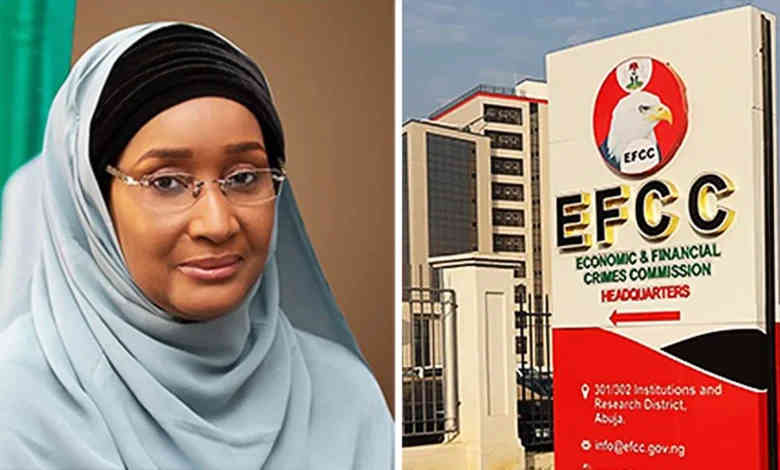
    BREAKING: EFCC Declares Ex-Minister Sadiya Umar Farouq Wanted – See Why

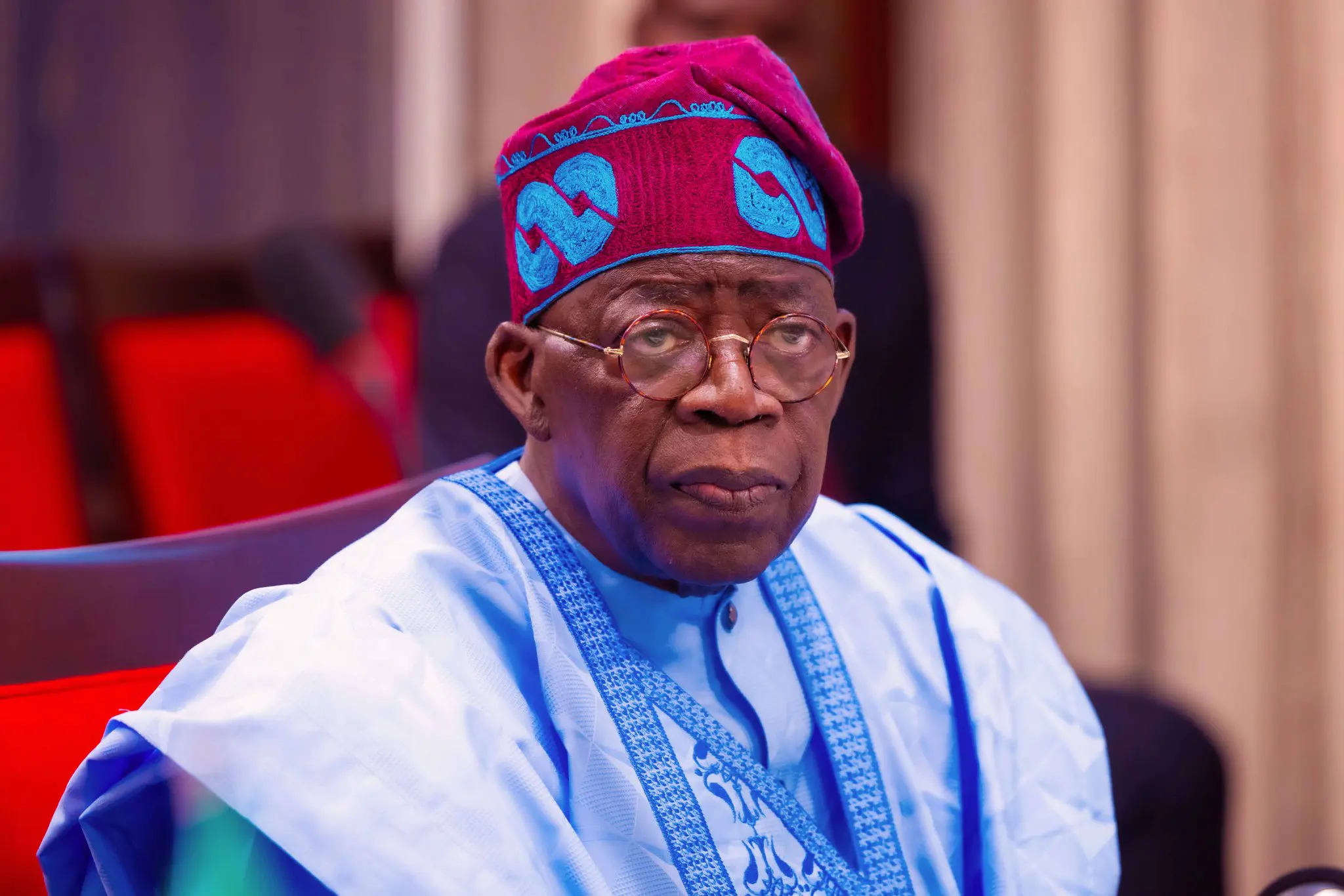
    BREAKING: FG Names Newspaper That Got Tinubu’s Title Wrong – See Correct Appellation


    Supreme Court Ruling: Wike’s Faction Loses

    Developments within the PDP took a dramatic turn following the Supreme Court’s final judgment on the party’s protracted leadership tussle.

    Governor Siminalayi Fubara, Nyesom Wike

    A Certified True Copy (CTC) of the apex court’s ruling, sighted on Friday by THISDAY, revealed that the faction loyal to Wike lost the battle for control of the party.

    According to the report, the court unanimously dismissed both:

    Appeal Outcome
    Wike’s cross-appeal ❌ Dismissed
    Main appeal by the Tanimu Turaki-led faction (aligned with Oyo State Governor Seyi Makinde) ❌ Dismissed

    PDP Rejects Purported CTC

    In a swift response, Abdulrahman Mohammed, who claims to be the leader of the PDP, rejected the reported CTC as unofficial.

    He insisted that the Supreme Court judgment recognised him as the party’s National Chairman and Senator Samuel Anyanwu as National Secretary.

    In a statement, the faction’s National Publicity Secretary, Mohammed Haruna Jagunda, dismissed the document being circulated, arguing that it failed to meet the standards required for a properly certified court judgment.


    PDP’s Official Statement

    The PDP stated that a careful review of the purported CTC revealed that its pages were neither duly certified, stamped, nor signed by any authorised court official, contrary to established legal procedures.

    “The Peoples Democratic Party (PDP) has become aware of the circulation of a purported Certified True Copy (CTC) of the recent Supreme Court judgment relating to matters concerning the party,” the statement read.

    The party insisted that the document failed to meet the recognised standards for certifying official court records and should therefore not be regarded as an authentic copy of the Supreme Court judgment.

    It further stated:

    “The PDP wishes to categorically state that the document currently in circulation was not officially released by the Supreme Court. A careful examination of the purported CTC reveals that it falls short of the established requirements for proper certification of official court documents. The pages were neither duly certified, stamped, nor signed by any authorised court officer in accordance with legally recognised procedures.”

    “However, assuming without conceding that the said CTC was officially released by the Supreme Court, we make bold to state that the contents of the judgment further affirm the defeat suffered by Kabiru Turaki and others from the Federal High Court up to the Supreme Court.”

    “The contents of the purported Certified True Copy have conclusively exposed the falsehoods and deliberate misinformation circulated by certain individuals regarding the leadership of the Peoples Democratic Party (PDP).”


    What This Means for Rivers State Politics

    Factor Implication
    Wike’s PDP Loyalists Now defecting to APC
    APC in Rivers State Receives a major boost with Wike-backed loyalists
    Governor Siminalayi Fubara Emerges as a major PDP figure in Rivers without Wike’s influence
    2027 Elections APC gains a stronger foothold in traditionally PDP-dominated Rivers State

    Key Players at a Glance

    Player Current Position Political Move
    Nyesom Wike FCT Minister Moving loyalists from PDP to APC
    Abdulrahman Mohammed Claims PDP National Chairmanship Rejects CTC, insists on his leadership
    Governor Siminalayi Fubara Rivers State Governor Potentially leading the PDP structure in Rivers without Wike’s influence

    The political landscape in Rivers State is shifting rapidly.

    With the Supreme Court appearing to have dealt a blow to Wike’s PDP faction, the FCT Minister has reportedly made his next move by directing his loyalists to align with the APC.

    Attention is now focused on whether the defections will trigger a broader political realignment in Rivers State and beyond ahead of the 2027 elections.


    Ejes Gist News will continue to monitor the developing story as more details emerge regarding the defections and the authentic Supreme Court judgment.

  • BREAKING: EFCC Declares Ex-Minister Sadiya Umar Farouq Wanted – See Why

    BREAKING: EFCC Declares Ex-Minister Sadiya Umar Farouq Wanted – See Why

    Anti-Graft Agency Issues Public Notice, Provides Contact Numbers for Whistleblowers.

    Abuja – The Economic and Financial Crimes Commission (EFCC) has declared Sadiya Umar Farouq, former Minister of Humanitarian Affairs and Social Development, wanted over alleged abuse of office and diversion of public funds.

    The anti-graft agency made the announcement in a notice published on its official website on Saturday, marking a dramatic escalation in the long-running investigation into alleged financial misconduct during her tenure under the administration of former President Muhammadu Buhari.


    What the EFCC Notice Said About Sadiya Umar Farouq

    According to the notice:

    “Farouq, 52, is an indigene of Zamfara State and her last known address is EN008, Okpo River, off Agulu Street, Maitama, Abuja.”

    “Anybody with useful information as to her whereabouts should contact EFCC offices.”

    The commission also provided contact phone numbers through which members of the public can relay information that could assist in her arrest.

    Sadiya Umar Farouq
    Ex minister of Humanitarian Affairs Minister, Sadiya Umar Farouq


    Also Read:


    Court Warrant Already Issued

    It was gathered that an FCT High Court sitting in Apo, Abuja, had on April 16, 2026 — nearly one month ago — issued a warrant for her arrest.

    The EFCC’s decision to publicly declare her wanted suggests that the former minister has been evading arrest despite the existing court order.


    Who Is Sadiya Farouq?

    Detail Information
    Full Name Sadiya Umar Farouq
    Age 52
    State of Origin Zamfara State
    Last Known Address EN008, Okpo River, off Agulu Street, Maitama, Abuja
    Former Position Minister of Humanitarian Affairs and Social Development
    Appointed By Former President Muhammadu Buhari (July 2019)
    Notable Fact Youngest minister in the federal cabinet during Buhari’s administration

    The Allegations

    While the EFCC notice did not provide exhaustive details of the alleged fraud, sources within the commission indicated that the investigation centres on:

    • Abuse of office during her tenure as Minister of Humanitarian Affairs
    • Diversion of public funds meant for social intervention programmes
    • Alleged financial irregularities in the management of N-Power and other humanitarian schemes


    Farouq’s tenure at the Ministry of Humanitarian Affairs was marred by controversy, particularly surrounding the management of the N-Power programme, which was plagued by allegations of payment irregularities and ghost beneficiaries.

    The case is one of several high-profile anti-corruption investigations involving former officials of the Buhari administration.


    What Happens Next

    Step Expected Action
    Public Assistance EFCC urges Nigerians to report her whereabouts
    Arrest Once located, Farouq will be taken into EFCC custody
    Arraignment She will be charged before the FCT High Court
    Possible Detention She could be remanded pending trial if bail is denied

    EFCC Contact Numbers

    Members of the public with information on Farouq’s whereabouts are urged to contact the EFCC through the following channels:

    Channel Details
    EFCC Headquarters Abuja
    Phone Numbers (To be provided in the official EFCC notice)
    Email [email protected]
    Social Media @officialEFCC on X/Twitter


    (Ejes Gist News will update this story with the specific phone numbers as soon as they are confirmed.)


    The net appears to be closing in.

    Sadiya Farouq, once the youngest minister in the federal cabinet, has now been declared wanted by the EFCC. With an arrest warrant already issued and a public declaration published, attention has shifted to efforts to locate the former minister.

    The question now is: Where is Sadiya Farouq?

    Nigerians with relevant information are urged to contact the EFCC immediately.

  • BREAKING: APC Defies Wike’s Warnings, Clears Fubara for Second Term

    BREAKING: APC Defies Wike’s Warnings, Clears Fubara for Second Term

    Governor Takes a Bow and Go as Screening Committee Waves Him Through, 


    In a dramatic turn of events that has sent shockwaves through Rivers State political circles, the All Progressives Congress (APC) has officially cleared Governor Siminalayi Fubara to contest for a second term, ignoring the vocal opposition of his estranged political godfather and FCT Minister, Nyesom Wike.

    According to sources familiar with the screening exercise, the governor appeared before the party’s screening committee and was immediately asked to “take a bow and go” — a gesture interpreted by party insiders as a strong indication that he scaled through the process without any hitches.


    Also Read: BREAKING: FG Names Newspaper That Got Tinubu’s Title Wrong – See Correct Appellation

    With this clearance, Fubara is now officially certified to participate in the governorship primaries of the APC in Rivers State, setting the stage for what is expected to be a heated political contest ahead of the 2027 elections.


    APC Defies Wike’s Warnings

    The development comes amid the lingering political rift between Fubara and his predecessor, Nyesom Wike, whose once-solid relationship has deteriorated into open warfare since the governor assumed office.

    Wike, now Minister of the Federal Capital Territory, has repeatedly accused Fubara of betrayal and has openly declared that he would not support the governor’s reelection bid.


    Despite Wike’s influence and warnings, the APC leadership at the national level appears to have taken a different position, clearing Fubara without conditions.

    The power struggle between both political figures has continued to shape the political atmosphere in Rivers State, with supporters on both sides battling for control of the state’s political structure.


    What “Take a Bow and Go” Means

    Term Meaning
    “Take a Bow and Go” A ceremonial dismissal given to candidates deemed highly qualified or politically untouchable; no further questions asked
    Political Signal Indicates the party’s leadership is fully behind Fubara’s second-term ambition


    Party insiders say the decision was not just about qualifications but a clear political message that the APC is ready to move beyond the Wike-Fubara feud and focus on winning Rivers State in 2027.


    What Happens Next

    With the clearance secured, Fubara will now:

    1. Participate in the APC governorship primaries in Rivers State

    2. Campaign for the party’s ticket ahead of the 2027 general elections

    3. Face potential opposition from Wike-backed candidates

  • BREAKING: FG Names Newspaper That Got Tinubu’s Title Wrong – See Correct Appellation

    BREAKING: FG Names Newspaper That Got Tinubu’s Title Wrong – See Correct Appellation

    FG Clarifies President Tinubu’s Official Designation.


    The Federal Government has issued a formal clarification on the correct official designation of President Bola Ahmed Tinubu, urging media organisations, government institutions and the public to avoid inaccuracies in official publications and communications.

    The clarification was contained in a statement issued by the Secretary to the Government of the Federation, Senator George Akume, following what the government described as repeated errors in the presentation of the President’s official title across some media reports and public documents.


    Ejes Gist News reports that the Office of the Secretary to the Government of the Federation said the President’s correct appellation should always appear as: “His Excellency, Bola Ahmed Tinubu, GCFR, President and Commander-in-Chief of the Armed Forces, Federal Republic of Nigeria.”


    According to Akume, the clarification became necessary after an incorrect designation of the President was published by a national newspaper in its May 7, 2026 edition.

    “For the record, the correct and official appellation is: His Excellency, Bola Ahmed Tinubu, GCFR, President and Commander-in-Chief of the Armed Forces, Federal Republic of Nigeria,” the SGF stated.

    The statement noted that the use of accurate official titles remains important in maintaining the integrity of government communications and institutional records.

    Akume said such errors were avoidable and called on journalists, editors, media executives and corporate organisations to verify official titles before publication or circulation of reports and official documents.

    He further advised media organisations and institutions to rely on verified communication channels of the Office of the Secretary to the Government of the Federation for official confirmations and clarifications.

    The SGF listed the office’s verified social media handles as:

    • Facebook: @OfficeoftheSGF
    • Instagram: OfficialOSGFNG
    • X (formerly Twitter): OfficialOSGF

    The statement added that enquiries and official correspondence could also be directed through the office’s official email address: [email protected].

  • Oyo NUT Elects New Executives at 8th Quadrennial Delegates Conference

    Oyo NUT Elects New Executives at 8th Quadrennial Delegates Conference

    The Nigerian Union of Teachers (NUT), Oyo State wing, has elected new executive members to oversee the affairs of the union for the next four years.

    The election was conducted during the union’s 8th Quadrennial Delegates Conference held in Ibadan, the Oyo State capital.

    Ejes Gist News reports that delegates from across the state participated in the conference, which ushered in a new leadership for the union following the expiration of the tenure of the outgoing executives.

    Also Read: Dollar to Naira: CBN, Black Market Rates & Why It’s Moving Now — May 7, 2026

    Speaking during the opening session of the conference, the National President of the Nigerian Union of Teachers, Comrade Titus Audu Amba, said the union was founded on democratic principles and the philosophy of labour unionism.

    According to him, the union at the national, state, and local government levels conducts periodic elections in line with its constitution to ensure continuity in leadership.

    Amba, who was represented by the National Social Secretary, Comrade Titi Ade Adebanjo, reiterated the union’s commitment to pursuing improved welfare and better conditions for teaching and learning across Nigeria.

    The outgoing Chairman of the Oyo State wing of the union, Comrade Raji Oladimeji Ismael, highlighted achievements recorded between 2022 and 2026, including improvements in teachers’ welfare, professional development, and infrastructural expansion.

    He stated that the union secured prompt payment of salaries, promotion arrears, annual increments, and interventions in pension-related matters.

    According to him, the union also addressed cases involving victimisation, wrongful postings, salary stoppages, and other disputes through its Legal and Welfare Committees.

    “Persistent advocacy led to the recruitment of additional teachers and non-teaching staff, which eased workloads, improved teacher-pupil ratios, and enhanced learning outcomes across schools,” he said.

    Raji added that the administration facilitated delayed promotions, organised training programmes for State Wing Executive Council members, and conducted mentorship sessions for younger teachers.

    He further disclosed that infrastructural projects completed during the period included the renovation of the State Secretariat, establishment of NUT Model Schools, construction of classrooms, expansion of the NUT Resource Centre, and development of an Olympic-size sports complex.

    According to him, the union also reconstructed the access road to the State Secretariat, procured customised Ankara fabrics for teachers, and organised statewide quiz competitions.

    In his acceptance speech, the newly elected Chairman, Comrade Hassan Ajibola Fatai, pledged to work with members and stakeholders to reposition the union and improve members’ welfare.

    Fatai, a teacher at Migrant Farmers Primary School, Igbo-Iroko, Kishi, also promised to uphold the integrity, dignity, and professionalism of the teaching profession in Oyo State.

    Other newly elected executive members include Adeleke Adesina as Deputy Chairman, Alonge Oluyemisi as 1st Vice Chairman, Morakinyo Oyebola as 2nd Vice Chairman, Badmus Abiona as 3rd Vice Chairman, Bello Folasade as 4th Vice Chairman, Titilolu Ibukunolu as Treasurer, Dada Kabirat as 1st Internal Auditor, Akinjide Yusuf as 2nd Auditor, and Ajala Niyi as Publicity Secretary.

    Others are Alao Femi as Social Secretary, Areo Felicia as Assistant Social Secretary, Mobolaji Ademola as State National Representative, and James Ruth as Editor.

  • Dollar to Naira: CBN, Black Market Rates & Why It’s Moving Now — May 7, 2026

    Dollar to Naira: CBN, Black Market Rates & Why It’s Moving Now — May 7, 2026

    Dollar to Naira Exchange Rate Today — May 7, 2026: CBN, Black Market Figures, Market Drivers


    The Dollar to Naira exchange rate on May 7, 2026, reflects a continued phase of relative stability in Nigeria’s foreign exchange market, with modest movements recorded across both the official and parallel segments. Data from market indicators shows that the naira traded within a narrow band against the United States dollar, supported by ongoing liquidity interventions and shifting global risk sentiment.

    Ejes Gist News reports that the foreign exchange market opened the day with the naira maintaining recent gains recorded in early May, as traders continued to respond to improved supply conditions in the official market and fluctuating demand pressures in the parallel segment.

    Official CBN Dollar to Naira Market Rate (NFEM) Performance

    In the Nigerian Foreign Exchange Market (NFEM), which is the Central Bank of Nigeria’s (CBN) benchmark for official transactions, the naira traded around ₦1,357.55 per dollar on May 7, 2026, reflecting a marginal appreciation compared to earlier sessions in the week.

    This follows a recorded range where the naira had strengthened to approximately ₦1,362 per dollar on May 6, 2026, indicating a gradual improvement in official market positioning.

    Market data suggests that the stability in the NFEM window has been supported by improved foreign exchange liquidity and moderated demand from corporate importers, alongside periodic CBN interventions aimed at reducing volatility.

    Parallel Market (Black Market) Exchange Rate

    In the parallel market segment, commonly referred to as the black market, the Dollar to Naira exchange rate remained significantly higher than official levels.

    As of the May 7, 2026 trading window, the dollar exchanged at approximately ₦1,400 to ₦1,420 per dollar in key trading locations including Lagos, Abuja, and Port Harcourt.

    Buy and sell spreads in the parallel market continued to reflect liquidity tightness, with dealers adjusting prices in response to speculative demand and limited dollar availability outside formal banking channels.

    The persistent gap between official and parallel market rates underscores ongoing structural pressure in Nigeria’s foreign exchange system, despite gradual improvements in reserves and policy reforms.

    Market Drivers and Economic Context

    Currency analysts attribute the current exchange rate pattern to a combination of domestic and international factors.

    Globally, the U.S. dollar has experienced periods of mild weakening due to shifting investor sentiment and geopolitical developments, which have influenced emerging market currencies, including the naira. At the same time, oil market stability has provided partial support for Nigeria’s external reserves position.

    Domestically, Nigeria’s foreign exchange dynamics continue to be shaped by:

    • Controlled dollar supply from the Central Bank of Nigeria
    • Import demand from businesses and manufacturers
    • Inflationary pressure affecting purchasing power
    • Oil revenue inflows into foreign reserves
    • Speculative activity in the parallel market

    Economic reports indicate that Nigeria’s currency has shown intermittent recovery phases in 2026, although volatility remains present due to structural imbalances in foreign exchange demand and supply.

    naira-gains-n126-against-dollar-in-48-hour
    Naira Gains N126 Against Dollar In 48-Hour

    Comparative Movement and Weekly Trend

    Earlier in the week, the naira traded closer to the ₦1,360–₦1,370 range in the official market, showing a slight appreciation trend before stabilising around the mid-₦1,350 range by May 7, 2026.

    In contrast, the parallel market maintained a wider spread, with rates fluctuating based on liquidity conditions and speculative positioning.

    The divergence between both markets continues to reflect Nigeria’s dual exchange rate environment, where official rates are influenced by policy frameworks while parallel market pricing is driven largely by demand pressure.


    Implications for Businesses and Importers

    The Dollar to Naira exchange rate remains a key determinant of import costs, pricing strategies, and inflation expectations across Nigeria’s economy. Businesses dependent on foreign inputs continue to monitor both official and parallel market rates to guide procurement decisions.

    Import-dependent sectors, including manufacturing and retail, remain particularly sensitive to exchange rate movements due to their direct impact on production costs and consumer pricing.

    Financial analysts maintain that sustained stability in the official market would require consistent foreign exchange inflows, improved export performance, and reduced speculative demand pressure in the parallel market segment.

    npa,-nimasa-to-begin-fee-collection-in-naira-rather-than-dollar-presidency
    NPA, NIMASA To Begin Fee Collection In Naira Rather Than Dollar- Presidency

    Outlook for Foreign Exchange Stability

    The broader outlook for the naira in 2026 continues to depend on policy consistency, oil revenue performance, and investor confidence in Nigeria’s macroeconomic reforms.

    Also Read:


    While recent data indicates periods of stability in the official market, the exchange rate gap between official and parallel channels remains a structural concern that policymakers continue to address through monetary and fiscal measures.

    Market participants are expected to continue tracking developments in global oil prices, foreign reserve levels, and Central Bank interventions as key indicators shaping the direction of the Dollar to Naira exchange rate in the coming sessions.

    Source,  Vanguard News and CBN

  • Dollar to Naira Exchange Rate Today — May 6, 2026

    Dollar to Naira Exchange Rate Today — May 6, 2026

    The latest Dollar to Naira Exchange Rate can be accessed here on Ejes Gist News. 

    The Nigerian naira traded within a narrow band against the United States dollar across both official and parallel foreign exchange markets on Wednesday, May 6, 2026, as the Central Bank of Nigeria (CBN) continued its hands-off approach to currency intervention.


    Ejes Gist News reports that data from the Nigerian Foreign Exchange Market (NFEM) showed the local currency closing at an average of ₦1,365.40 per dollar, largely unchanged from Tuesday’s close, while the parallel market saw the greenback exchange at approximately ₦1,395 per dollar.


    Also Read : Full List of Lawmakers Who Have Defected to NDC Since Peter Obi, Kwankwaso Joined


    Here is a breakdown of the day’s exchange rate dynamics, market sentiment, and implications for businesses and individuals.


    Official Market: Stability Amid Reduced Intervention

    The official window remained calm, with the naira holding steady after a marginal appreciation in the previous session.

    According to FMDQ data, the naira strengthened to ₦1,362 per dollar on May 5, rising from ₦1,367.5 recorded a day earlier. The rate has since stabilised near the ₦1,365 mark.


    Also Read:


    Dollar to Naira Exchange Rate May 6, 2026:

    Indicator Rate (₦/$)
    CBN Indicative Rate 1,362
    Spot Market Average 1,365.40
    Buying Rate (Banks) 1,362 – 1,374
    Selling Rate (Banks) 1,365.40 – 1,376

    Trading turnover in the official window increased by 19.4% to $71.6 million, indicating adequate liquidity despite limited CBN intervention.


    Parallel Market: Dollar Trades at N1,395

    Across Lagos, Abuja, and Kano, Bureau De Change (BDC) operators quoted the dollar slightly above the official rate, consistent with prevailing trends.

    As of midday:

    • Buying Rate: ₦1,385 per dollar
    • Selling Rate: ₦1,390 – ₦1,400 per dollar
    • Average Spot Rate: Approximately ₦1,395

    A BDC operator in Lagos, who spoke on condition of anonymity, said demand remained steady without signs of panic buying.

    “The dollar is not as scarce as it was six months ago. Demand for school fees and medical payments continues, but there is no major spike,” the operator said.


    naira-gains-n126-against-dollar-in-48-hour
    Naira Gains N126 Against Dollar In 48-Hour

    CBN Strategy: Reduced Direct Intervention

    A key factor influencing the exchange rate is the CBN’s decision to scale back direct intervention in the foreign exchange market.

    Ejes Gist News gathered that the apex bank injected about $150 million in April 2026, representing an 83% decline compared to March. The approach is aimed at preserving external reserves while allowing market forces to determine price levels.

    A senior banking source said:

    “The CBN is reducing pressure on reserves and allowing rates to adjust more naturally. The narrowing gap between official and parallel markets reflects this shift.”


    CBN Position on Parallel Market

    The CBN has maintained its long-standing position that it does not recognise the parallel market as an official channel for foreign exchange transactions.

    Individuals and businesses are advised to access foreign exchange through authorised dealers, including commercial banks and licensed BDC operators.

    A CBN circular stated:

    “The Central Bank of Nigeria advises the general public that the parallel market is not recognised. All foreign exchange transactions should be conducted through authorised channels.”


    Market Outlook

    Analysts monitoring the naira project relative stability in the near term, supported by moderated demand and improved liquidity conditions.

    Short-term outlook:

    • The naira is expected to trade around ₦1,365 to ₦1,375 in the official market.
    • The parallel market may fluctuate between ₦1,390 and ₦1,405.

    Medium-term outlook:

    • External reserves and global oil prices remain key variables.
    • Increased diaspora remittances or capital inflows could support further appreciation.

    Persistent demand for foreign exchange to fund education, healthcare, and imports continues to exert underlying pressure on the currency.

    Dollar to naira today black market exchange rates


    Exchange Rate Snapshot – May 6, 2026

    Market Buying (₦) Selling (₦)
    Official (NFEM) 1,362 – 1,374 1,365.40 – 1,376
    Parallel (BDC) 1,385 1,395 – 1,400

    Disclaimer: Exchange rates are based on data from FMDQ, CBN publications, and BDC surveys. Actual rates may vary by location and financial institution.

  • Full List of Lawmakers Who Have Defected to NDC Since Peter Obi, Kwankwaso Joined

    Full List of Lawmakers Who Have Defected to NDC Since Peter Obi, Kwankwaso Joined

    Senators and Lawmakers Who Have Defected to NDC. 

    The political landscape in Nigeria is shifting dramatically. Following the high-profile defection of Peter Obi and Rabiu Musa Kwankwaso to the Nigeria Democratic Congress (NDC), a wave of lawmakers has abandoned the African Democratic Congress (ADC) and other parties to join the emerging opposition coalition.


    Ejes Gist News has compiled a comprehensive list of all federal lawmakers who have moved to the NDC, based on official announcements on the floor of the National Assembly.


    The Wave Begins: Obi and Kwankwaso Lead the Charge

    The wave of defections began after the 2023 presidential candidates of the Labour Party (Obi) and the New Nigeria Peoples Party (Kwankwaso) formally joined the NDC. Both men had briefly reunited with the ADC before making a strategic shift to the NDC, citing “unresolved internal crises” within the ADC.

    Kwankwaso and Peter Obi

    This move triggered a ripple effect, with loyalists and allies quickly following suit.


    Full List: Lawmakers Who Have Defected to NDC

    A total of 17 members of the House of Representatives officially defected to the NDC during plenary, with announcements made by Deputy Speaker Benjamin Kalu.

    All the lawmakers below defected from the African Democratic Congress (ADC) to the NDC.

    S/N Lawmaker Federal Constituency State
    1 Hon. Yusuf Umar Datti Kura/Madobi/Garun Mallam Kano
    2 Hon. Uchenna Harrison Okonkwo Idemili North/Idemili South Anambra
    3 Hon. Sani Adamu Wakil Minjibir/Ungogo Kano
    4 Hon. Thaddeus Attah Achef Eti-Osa Lagos
    5 Hon. George Ozodinobi (Deputy Minority Whip) Njikoka/Anaocha/Dunukofia Anambra
    6 Hon. Obiageli Lilian Orogbu Awka North/Awka South Anambra
    7 Hon. Oluwaseyi Sowunmi Ojo Lagos
    8 Hon. Peter Aniekwe Anambra East/West Anambra
    9 Hon. Mukthar Umar Zakari Tarauni Kano
    10 Hon. George Oluwande Amuwo Odofin Lagos
    11 Hon. Murphy Osaro Omoruyi Egor/Ikpoba-Okha Edo
    12 Hon. Munachin Manuchim Alozie Port Harcourt I Rivers
    13 Hon. Emeka Idu Onitsha North/South Anambra
    14 Hon. Jesse Okey Onuakalusi Oshodi-Isolo Lagos
    15 Hon. Ifeanyi Peter Uzokwe Nnewi North/South/Ekwusigo Anambra
    16 Hon. Victor Afam Ogene Ogbaru Anambra
    17 Hon. Abdulhakeem Kamilu Ado Wudil/Garko Kano

    Note: Hon. Leke Abejide (Yagba Federal Constituency, Kogi) also defected from the ADC during the same plenary but joined the All Progressives Congress (APC), not the NDC.


    Senate Defectors to NDC

    The upper chamber also witnessed significant movement. A total of three senators have joined the NDC, although not all came from the ADC.

    Senator Senatorial District State Former Party
    Sen. Victor Umeh Anambra Central Anambra ADC
    Sen. Rufai Hanga (Deputy Minority Whip) Kano Central Kano NNPP
    Sen. Seriake Dickson Bayelsa West Bayelsa PDP

    Important Clarifications:

    • Sen. Victor Umeh defected from the ADC to the NDC, citing “lingering divisions in the leadership and unending litigations” within his former party.
    • Sen. Rufai Hanga left the New Nigeria Peoples Party (NNPP) to join the NDC.
    • Sen. Seriake Dickson (former Bayelsa State Governor) had earlier aligned with the NDC on March 31, 2026, after leaving the Peoples Democratic Party (PDP).
    • Sen. Enyinnaya Abaribe (Abia South) also left the ADC but joined the Labour Party (LP), not the NDC.


    Also Read:

    BREAKING: Peter Obi Confirms Exit from ADC as Defection to NDC Looms, Kwankwaso Also Set to Leave

    EXCLUSIVE: No Going Back – Why INEC Cannot Reverse NDC’s ‘Court Order’ Leadership (Full Story)

    Current NDC Strength in the National Assembly

    Following these defections, the NDC’s parliamentary strength now stands at:

    Chamber Number of NDC Members
    Senate 3 senators
    House of Representatives 17 members

    Senate Breakdown (post-defection):

    • APC: 88 senators
    • ADC: 8 senators
    • PDP: 4 senators
    • NDC: 3 senators
    • APGA: 1 senator
    • Accord: 1 senator
    • LP: 1 senator (Abaribe)
    • Vacant: 4 seats

    House Breakdown:

    • PDP: 29 members
    • NDC: 17 members
    • Others: Various

    Why the Defections?

    The defecting lawmakers uniformly cited “internal crises,” “leadership disputes,” and “unending litigations” within the ADC as their reasons for leaving.

    “The instability within the party structure has made it increasingly difficult for us to function effectively or serve our constituents under the platform.” — Excerpt from a defector’s letter read on the House floor.

    Senator Victor Umeh similarly stated:

    “The divisions within the leadership of the ADC have become deep-rooted and counterproductive. There have been unending litigations and reconciliation efforts, but these have not yielded the cohesion required for effective political engagement.”


    What This Means for 2027

    Political analysts view the coordinated defections as a strategic migration of political structures rather than isolated party switching. With the May 10, 2026 deadline set by INEC for political parties to submit membership registers ahead of the 2027 general election, further defections are expected.

    The key question remains: Will the NDC consolidate as the main opposition platform capable of challenging the APC in 2027?


    Stay with Ejes Gist News for ongoing coverage of Nigeria’s evolving political landscape.

    Editor’s  Note— Reporting based on National Assembly plenary announcements on May 5, 2026, and verified from multiple sources.

  • BREAKING: “I Rejected Billions to Betray You” – Gbadebo Opens Up on Why He Dumped Peter Obi

    BREAKING: “I Rejected Billions to Betray You” – Gbadebo Opens Up on Why He Dumped Peter Obi

    I saw their sacrifice. And I learned something that will never leave me” – GRV reaffirms ADC membership, rejects Labour Party overtures


    In a dramatic political realignment that has sent shockwaves through Nigeria’s opposition space, former Lagos State governorship candidate Gbadebo Rhodes-Vivour has effectively dumped the Peter Obi political movement, declaring that good intentions and popularity alone are not enough to secure electoral victory.

    Rhodes-Vivour, who contested the 2023 governorship election under the Labour Party banner, made the stunning revelation while reaffirming his unwavering membership in the African Democratic Congress (ADC) amid shifting alliances and mounting pressure within the opposition.

    Also Read: BREAKING: Peter Obi Confirms Exit from ADC as Defection to NDC Looms, Kwankwaso Also Set to LeaveBREAKING: Peter Obi Confirms Exit from ADC as Defection to NDC Looms, Kwankwaso Also Set to Leave

    In an emotional statement issued on Tuesday, Rhodes-Vivour opened up about the painful lessons of the 2023 elections, the sacrifice of supporters who lost their lives, and why he is refusing to abandon the structure he has painstakingly built over the last three years.


    The Bombshell: “I Am Not Moving”

    Addressing the growing instability within opposition politics and recent defections by some members to other political platforms, Rhodes-Vivour made his position unequivocal:


    My people, it’s been a very difficult couple of days. We are living through a defining moment. Our politics is turbulent. Our coalition is being tested. And at this difficult juncture, I and my team have decided to stay put in the ADC.”

    Not because it is convenient, not because it is popular, but because it is the platform that we have built, the ground that we have fought on, and the vehicle that we believe will take us to victory.”

    He revealed that he had faced intense pressure to abandon his post, including staggering financial inducements:

    I’ve always stood on conviction. That is why, despite pressure, despite offers, despite billions placed on the table to bribe me, I have never compromised with the APC in Lagos. That’s why I walked away when agreements were broken. That’s why every political decision I have made has been rooted in principle, not personal gain.”


    The Pain of 2023: “Lives Were Lost”

    In perhaps the most moving section of his address, Rhodes-Vivour recalled the brutal aftermath of the 2023 elections, when supporters of the opposition paid the ultimate price for their belief in democracy.

    “In 2023, something powerful happened. And we all witnessed it. We witnessed people rise. People believed people. Unfortunately, those same people, they paid the price.”


    “Lives were lost. Many were injured. All because they stood for democracy. Because they stood for me. Because they stood for us. Because they believed their votes should count.”

    He described visiting hospitals for two months after the election, witnessing firsthand the pain and sacrifice of those who had rallied behind his candidacy.


    “I did not sit back. I went to them. I spent two months visiting hospitals. I saw pain. I saw their sacrifice. And I learned something that will never leave me.”

    “Those pictures are posted, pinned on my Twitter, so I’m reminded every day for the last three years.”

    The Hard Lesson: Good Intentions Not Enough

    Drawing from the trauma of 2023, Rhodes-Vivour delivered a pointed critique that many political observers believe is directed at the Peter Obi movement’s over-reliance on social media energy and grassroots enthusiasm without corresponding structural depth.


    “Good intentions are not enough. Popularity is not enough. Energy is not enough. If you want to win and win, you must build structure. If you want to protect the people’s mandate, you must have the strength to defend you from the polling unit to the collation center.”

    He emphasized that since 2023, his focus has been entirely on building that missing structure.

    “And since 2023, that’s exactly what we have done. We did not retreat. We have not rested. We did not lose focus. We built ward by ward, street by street, community by community.”


    Building a United Opposition

    Rhodes-Vivour revealed that his efforts have brought together unlikely allies from across the political divide, including members of the PDP, Labour Party, ADC, and even former APC supporters.


    “We brought people together. The PDP, Labour, ADC, APC. People that were once on the other side. Because we understand one simple truth: A divided opposition will always lose. But a united, organized and determined force will win.”

    “And today we have that force. We have built relationships. We have built trust. We have built a structure that is deep, resilient, and ready.”


    A Dig at Fair-weather Politicians

    In what many see as a subtle jab at those leaving the opposition for greener pastures, Rhodes-Vivour declared:

    “One does not spend years building something this strong only to abandon it at the first sign of difficulty. We cannot do that. We are builders. We are rooted. We are ready.”

    He traced his political journey from “nothing to PDP to Labour,” explaining that each move was guided by conviction, not convenience.

    “When those spaces could no longer serve the people honestly, I moved on. Not out of weakness, but for principle. Today I stand where conviction has brought me. And I am not moving. We are not moving.”


    The Mission: Lagos

    Rhodes-Vivour concluded by refocusing attention on the ultimate goal: liberating Lagos State from what he described as a system that suppresses the people’s voice.

    “The mission is bigger than any one party. It’s bigger than any one individual. The mission is Lagos. Our Lagos. The mission is justice. The mission is to build a system where the people’s voice is not suppressed. Where their votes count. And where leadership truly serves.”

    He issued a rallying call to those who are wavering or looking for the “safe option”:

    “History does not remember those who choose comfort, familiarity or convenience. History remembers those who choose courage. This is our moment. This is our stand. And we are not backing down.”


    What This Means for Peter Obi and Labour Party?

    Political analysts viewing this development see it as a significant blow to the Peter Obi movement’s ambitions in Lagos State. Rhodes-Vivour was arguably the Labour Party’s most recognizable face in Lagos after the 2023 election, and his decision to firmly root himself in the ADC signals a fragmentation of the Obidient movement’s Lagos structure.

    A source close to the matter told Ejes Gist News:

    “GRV is essentially saying that the Labour Party under Peter Obi’s leadership does not have the structural staying power to win elections. That is a devastating critique coming from someone who bled for that ticket in 2023.”


    Gbadebo Rhodes-Vivour has drawn a line in the sand. He is no longer wagering on the enthusiasm of the Obidient movement alone. He is betting on structure, grassroots organization, and a united opposition front — and he is doing it from within the ADC.

    Whether this strategy pays off in 2027 remains to be seen. But one thing is clear: Gbadebo Rhodes-Vivour is not following anyone else’s map. He is drawing his own.


    Stay tuned to Ejes Gist News for the deepest political analysis in Nigeria.

  • EXCLUSIVE: No Going Back – Why INEC Cannot Reverse NDC’s ‘Court Order’ Leadership (Full Story)

    EXCLUSIVE: No Going Back – Why INEC Cannot Reverse NDC’s ‘Court Order’ Leadership (Full Story)

    Why INEC Cannot Reverse NDC’s Leadership Listed ‘By Court Order’


    For weeks, political observers and rival parties have raised eyebrows at the Independent National Electoral Commission (INEC) website, where the leadership of the Nigeria Democratic Congress (NDC) is boldly displayed with the caveat: “BY COURT ORDER.”

    Whispers of illegitimacy, rumors of an impending takeover by the APC, and fears of INEC backtracking have swirled in the national discourse.

    But after a thorough investigation by Ejes Gist News, involving a deep dive into a landmark Federal High Court judgment, we can reveal that the NDC’s leadership is not just legal—it is virtually untouchable.

    Here is the untold story of how a “mushroom party” from 2017 defeated Nigeria’s electoral umpire in a legal marathon that ended in 2025.

    The Genesis: A Logo, A Brouhaha, and a Bully

    The journey of the NDC did not start today. Back in 2017, under the watch of former INEC Chairman Prof. Mahmood Yakubu, a group led by Seriake Dickson began the rigorous process of registering a new political party.

    They succeeded. The NDC was born.

    But trouble began immediately over their chosen logo: Two fingers in the air ✌️—the universal sign for Peace.

    Despite the APC (which uses a broom) filing no complaint, INEC took it upon itself to declare war on the tiny party. INEC argued that the peace sign bore a “resemblance” to the APC’s broom.

    Sources within the NDC told Ejes Gist News that the commission issued an ultimatum: Change your logo or we will delegitimize you. We will not recognize you as a political party.

    “We were small. We had no political presence. INEC thought they could push us around for nothing,” a founding member of the NDC, who pleaded anonymity, told our correspondent.

    The Confusion: Why Was INEC Fighting for APC?

    The NDC leadership was bewildered. They wrote to INEC, explaining that a peace sign (two fingers) has no visual or philosophical semblance to a broom.

    But INEC refused to see reason.

    Instead, the commission enforced its threat. They refused to recognize the NDC, refused to acknowledge its leadership, and effectively locked the party out of the political space.

    Nigeria Democratic Congress ( NDC)

    “We asked ourselves: Why is INEC crying more than the bereaved? The APC never complained. This was purely INEC’s fight,” the source added.

    The Legal Showdown: NDC vs. INEC

    Left with no other option, the NDC headed to the Federal High Court. They sued INEC over three things:

    1. The illegal demand to change their logo.

    2. The act of delegitimizing the party.

    3. The refusal to recognize the party’s leadership.

    The case dragged on for years. But in 2025, justice finally prevailed.

    The Federal High Court delivered a sweeping judgment in favor of the NDC, ruling that the party had proven beyond reasonable doubt that the peace sign does not resemble the APC’s broom.

    The Indisputable Order

    The court did not stop at declaring the logo legal. The judge went further to issue a mandatory order directing INEC to:

    • Recognize the NDC as a political party.
    • Accept the ✌️ logo as valid.
    • Recognize the NDC’s leadership immediately.

    That is why, today, when you visit INEC’s website, you see those names. That is why you see the words “BY COURT ORDER.”

    Why No One Can Challenge It Now

    Here comes the critical legal twist that every Nigerian political commentator must understand.

    The only party with the legal right to challenge that judgment is INEC. Not the APC. Not the Attorney General of the Federation. Not any civil society group. Only INEC.

    Furthermore, the legally approved window for INEC to appeal the judgment has elapsed.

    An INEC insider who spoke with Ejes Gist News confirmed that the commission, now under the new leadership of Prof. Amupitan, made a strategic decision not to appeal. Instead, they chose to obey the court and enforce the judgment.


    Also Read: BREAKING: Peter Obi Confirms Exit from ADC as Defection to NDC Looms, Kwankwaso Also Set to Leave

    “Once a judgment is entered and the appellant timeframe (usually 90 days) passes without an appeal, the matter is res judicata. [It is settled]. INEC cannot wake up tomorrow and vacate that order. The court has spoken. INEC has complied. It is over,” a Lagos-based constitutional lawyer explained to Ejes Gist News.

    The Verdict: No Cause for Alarm

    Therefore, Ejes Gist News can authoritatively state that there is no cause for alarm over the NDC’s leadership status.

    • INEC cannot appeal again.
    • INEC cannot vacate the order.
    • No third party (APC or AGF) has the locus standi to challenge it.

    The NDC weathered the storm. From a small, bullied party in 2017 to a legally fortified political entity in 2025, their leadership stands on the unshakable bedrock of a final court order.

    The drama is over. The law is clear. The peace sign remains.

    Stay tuned to Ejes Gist News for the deepest political analysis in Nigeria