Month: February 2026

  • Pastor, Wife Burned to Death as Islamic Jihadist Terrorists Torch Church in Nigeria

    Pastor, Wife Burned to Death as Islamic Jihadist Terrorists Torch Church in Nigeria

    Islamic jihadist attacked a church in Nigeria, killing a pastor and his wife after setting the worship centre on fire, according to local residents and community leaders.


    Ejes Gist News reports that the attackers stormed the church during a service, opened fire to disperse worshippers and then ignited the building. Witnesses alleged that the pastor and his wife were trapped inside as flames engulfed the structure, preventing their escape.

    Residents said the assailants remained at the scene until the fire consumed large parts of the church, ensuring that no immediate rescue could take place.

    Also Read: Boko Haram Terrorists Parade 176 Abductees From Kwara Community In New Video

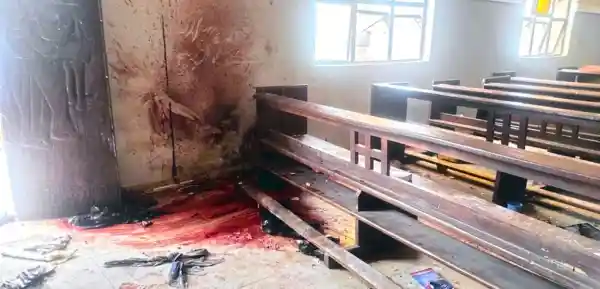
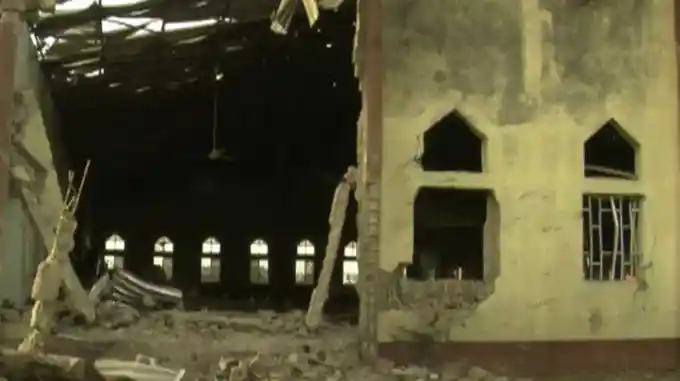
    Viral Photo Shows Burned Structure

    A viral photograph obtained by this newspaper shows extensive destruction inside the church. The roof appears partially collapsed, walls are cracked and blackened by smoke, and rubble is scattered across the floor. Windows are shattered, and the structure bears clear signs of deliberate arson.

    Community members described the killings as targeted. They alleged that the attackers had issued threats prior to the incident, although authorities have not publicly confirmed these claims.

    Security and Official Response

    Security agencies confirmed an attack on the community but did not immediately release the identities of the victims pending notification of extended family members.

    Nigeria has faced persistent attacks from extremist factions, including elements linked to Boko Haram and other armed groups operating across parts of the country. Security analysts note that assaults on religious institutions remain a recurring feature of insurgent violence.

    Investigations are ongoing, and officials said further verified details would be communicated as inquiries progress.

  • Boko Haram Terrorists Parade 176 Abductees From Kwara Community In New Video

    Boko Haram Terrorists Parade 176 Abductees From Kwara Community In New Video

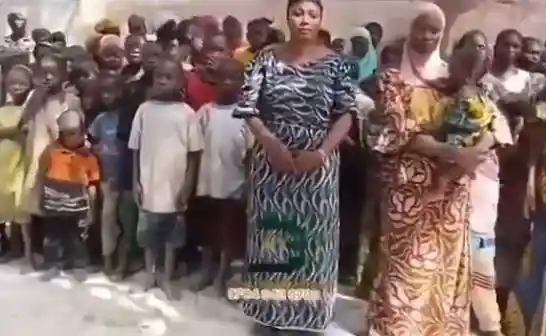
    Suspected Boko Haram terrorists have released a video showing 176 abducted residents of Woro community in Kaiama Local Government Area of Kwara State, intensifying concerns over the spread of insurgent violence beyond Nigeria’s North-East. The victims, according to the footage, include women, children and a nursing mother.

    Ejes Gist News reports that the video, circulated online and obtained by local media platform SaharaReporters, shows armed men believed to be members of Boko Haram interrogating dozens of captives arranged in rows. The group, formally known as Jama’atu Ahlissunnah Lidda’awati wal-Jihad, has waged an insurgency in Nigeria since 2009.


    Also Read: Christian Genocide: U.S. Anchor Reveals Why He Rejected First Lady Remi Tinubu’s Television Interview Request

    What the Video Shows

    In the footage, one of the armed men asks the captives to state their place of abduction. Three women, speaking in Hausa, identify Woro community in Kaiama Local Government Area as the location where they were seized.

    Watch The Video

    The video depicts scores of women and children standing under guard. Several appear visibly distressed. Some of the children are barefoot and inadequately clothed, suggesting exposure to harsh conditions.

    One of the insurgents, speaking in the recording, accuses the Kwara State Government of understating the scale of the abduction. He claims authorities publicly stated that between 20 and 30 persons were kidnapped, while insisting that 176 individuals remain in their custody.

    “The Kwara State government lied to Nigeria and to the whole world,” the armed man alleges in the footage.

    As of press time, the Kwara State Government had not issued an official statement responding directly to the claims made in the video.

    Background: February 4 Attack on Woro Community

    The emergence of the video follows a February 4, 2026 attack on Woro community, during which suspected terrorists reportedly carried out a coordinated assault.

    Residents and local sources said dozens of people were killed in the violence. Those reportedly killed include two wives of the Emir of Woro, several of his children, the Chief Imam of the community, a school principal, a headmistress and students who had returned from school.

    The Emir of Woro, Alhaji Saliu Bio Umar, remains unaccounted for. Community members have expressed fears that he may have been abducted during the raid. His official vehicle was reportedly taken by the attackers and allegedly used to transport some of the victims. The palace was also set on fire.

    Videos recorded after the incident show buildings destroyed by flames and residents surveying the damage.

    Alleged Motive and Insurgent Links

    Local sources allege that the attackers are affiliated with a Sadiku-led faction of Boko Haram believed to maintain operational ties across parts of the Sahel region. Security analysts have previously documented splinter factions within Boko Haram, including groups that operate beyond Nigeria’s North-East corridor.

    Residents of Woro community said tensions had escalated months before the February 4 attack. According to community accounts, armed elements had attempted to compel residents to attend sermons and adopt extremist doctrines.

    The Emir was said to have resisted these demands and alerted security agencies to the group’s activities. Community members allege that the refusal to comply may have triggered the large-scale assault.

    Security Implications for Kwara State

    Kwara State, located in Nigeria’s North-Central region, has not historically been considered a primary theatre of Boko Haram operations. However, security experts have warned of the geographic expansion of insurgent networks and the emergence of new operational corridors.

    The video’s claim of 176 abductees, if verified, would represent one of the largest mass kidnappings reported in the state in recent years.

    Authorities have yet to release comprehensive casualty figures or confirm the number of abducted residents. Security agencies have not publicly detailed ongoing rescue operations related to the Woro incident.

    The development raises fresh questions about intelligence coordination, rural community protection, and the capacity of local security architecture to respond to insurgent threats outside traditional conflict zones.

  • 2026 World Cup: FIFA Sets Date To Rule On Nigeria’s Petition Against DR Congo

    2026 World Cup: FIFA Sets Date To Rule On Nigeria’s Petition Against DR Congo

    2026 World Cup qualification hopes for Nigeria now hinge on a pending decision from world football’s governing body after FIFA confirmed it will rule on the Nigeria Football Federation’s protest against DR Congo on Monday, February 16.

    The petition stems from the 2025 African playoff final played in November, where Nigeria lost 4-3 on penalties after a 1-1 draw in regulation time. Ejes Gist News reports that the Nigeria Football Federation (NFF) formally lodged a complaint in December, alleging that at least six DR Congo players who featured in the match were ineligible due to recent nationality switches.

    Basis of Nigeria’s Protest

    The NFF’s complaint centers on FIFA’s regulations governing player eligibility and change of national association. Under FIFA statutes, players who switch nationality or association must meet specific criteria, including compliance with waiting periods and approval procedures.

    According to the NFF, several players fielded by DR Congo in the decisive playoff match had recently altered their nationality status and were therefore not qualified to represent the country at the time of the fixture.

    Nigeria’s General Secretary, Dr. Mohammed Sanusi, expressed confidence in the federation’s position.

    “We have a good case,” Sanusi said. “We don’t go into things that would be a waste of time. We believe we have a strong case, and we are waiting for FIFA’s decision on our complaints.”

    Match Context and Stakes

    The disputed fixture determined qualification positioning for Africa’s remaining pathway to the 2026 FIFA World Cup. The Super Eagles’ defeat on penalties effectively ended Nigeria’s immediate qualification hopes.

    If FIFA rules in Nigeria’s favour, the Super Eagles could be reinstated into the Intercontinental Play-Off tournament scheduled for March in Mexico. That competition offers one of the final qualification routes to the expanded 48-team tournament.

    The 2026 FIFA World Cup will be co-hosted by the United States, Canada, and Mexico, marking the first time three countries will jointly stage the tournament.

    FIFA Regulations on Nationality Switches

    FIFA’s eligibility framework allows players to change national teams under defined conditions, particularly where they have not played competitive senior matches or where they meet specific heritage and residency requirements.

    The governing body, FIFA, evaluates protests through its disciplinary and legal committees. Decisions typically consider:

    • Whether proper documentation was filed.
    • Timing of nationality approval.
    • Compliance with FIFA statutes.
    • Evidence submitted by both federations.

    Should FIFA determine that DR Congo fielded ineligible players, sanctions could range from match forfeiture to disciplinary penalties, depending on the severity and intent established.

    Implications for African Qualification

    Africa’s allocation for the 2026 tournament increased under FIFA’s expanded format. However, final slots remain fiercely contested through playoffs and intercontinental pathways.

    A favourable ruling for Nigeria could significantly alter the continent’s qualification landscape, reopening the Super Eagles’ route to global competition.

    Football stakeholders across Nigeria and Democratic Republic of the Congo await FIFA’s verdict, which is expected to clarify the eligibility dispute and determine the next stage of the qualification process.

  • Outrage as Russian Tourist’s Secret Recordings of Ghanaian Women Spark Investigation

    Outrage as Russian Tourist’s Secret Recordings of Ghanaian Women Spark Investigation

    Outrage on X as Russian Tourist’s Secret Recordings of Ghanaian Women Spark Investigation

    A wave of outrage has erupted on X after allegations surfaced that a Russian tourist secretly recorded intimate encounters with women in Ghana using smart glasses and allegedly sold the videos online without their consent.

    The controversy began after social media users shared clips purportedly captured with Meta smart glasses, showing the man engaging in flirtatious and intimate interactions with multiple women, including a hotel staff member. The recordings, which reportedly cost $5 each to access, triggered widespread condemnation over privacy violations and potential criminal conduct.

    Ejes Gist News reports that the incident has prompted public calls for swift action by Ghanaian authorities, with many users demanding prosecution under Ghana’s cybercrime and privacy laws. Although official statements from security agencies were still emerging, discussions intensified after claims circulated that the presidency had directed relevant authorities to investigate and ensure the removal of the content.

    Allegations of Non-Consensual Recording

    According to posts circulating online, the tourist allegedly used wearable technology to secretly record women he met during his stay. Social media users claimed several of the women were unaware they were being filmed.

    Legal experts note that Ghana’s Cybersecurity Act, 2020 (Act 1038) criminalizes unauthorized access, interception, and publication of private communications. Publishing intimate material without consent may also fall under offences related to the non-consensual distribution of intimate images.


    Also Read: Another Judge Withdraws from EFCC Case Against Ex-AGF Abubakar Malami

    Advocacy groups argue that the alleged conduct, if verified, constitutes a breach of privacy and exploitation, particularly where consent was not obtained for recording or distribution.

    Public Reaction and Government Response

    The issue trended widely on X, with users expressing sympathy for the women involved and criticizing the commercialization of private encounters. Many commentators described the situation as a violation of dignity and personal security.

    Unverified reports suggested that the Government of Ghana, led by President Nana Akufo-Addo, had taken steps to ensure the removal of the online content. However, as of the time of reporting, there had been no formal press release publicly confirming direct presidential intervention.

    Authorities in Ghana have previously warned against the misuse of digital devices to infringe on personal privacy, particularly in hospitality and tourism settings.

    Legal and Social Implications

    Privacy advocates stress that the case highlights broader concerns around wearable recording devices, including Meta smart glasses, which can capture video discreetly. While such devices are legal consumer products, their misuse may violate local laws when used without consent.

    Key legal considerations include:

    • Whether consent was obtained for recording.
    • Whether consent extended to public distribution.
    • Whether commercial sale of such content constitutes exploitation or cybercrime.
    • Possible immigration consequences for foreign nationals found guilty of criminal conduct.

    Women’s rights organizations in Ghana have also called for stronger enforcement mechanisms to deter digital exploitation and protect individuals from unauthorized recordings.

    What Happens Next

    Legal analysts indicate that if investigations confirm the allegations, authorities could pursue charges under existing cybercrime statutes. Immigration authorities may also assess whether visa conditions were breached.

    The incident has reignited debate about digital privacy, consent, and the ethical boundaries of emerging recording technologies in Ghana’s tourism sector.

    Officials have urged the public to avoid sharing the disputed videos while investigations continue.

  • Another Judge Withdraws from EFCC Case Against Ex-AGF Abubakar Malami

    Another Judge Withdraws from EFCC Case Against Ex-AGF Abubakar Malami

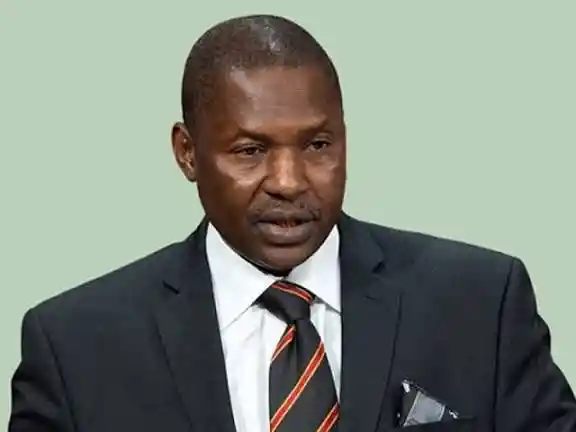
    Another judge has withdrawn from the EFCC case against former Attorney-General of the Federation and Minister of Justice, Abubakar Malami, further altering proceedings in the high-profile matter before the Federal High Court in Abuja.

    Justice Obiora Egwuatu recused himself from two cases filed by the Economic and Financial Crimes Commission (EFCC) against Malami.


    Ejes Gist News reports that the judge cited personal reasons and the need to uphold the interest of justice in announcing his decision during court proceedings.

    EFCC Case Against Abubakar Malami

    The EFCC case against Abubakar Malami includes a civil forfeiture application seeking the recovery of 57 properties allegedly linked to the former Attorney-General.

    The matter was listed for mention when Justice Egwuatu disclosed his withdrawal. The judge had recently been reassigned to the cases by the Chief Judge of the Federal High Court, Justice John Tsoho.


    Court Orders Remand of Abubakar Malami, Son, 1 Other in Kuje over Alleged Money Laundering


    Court officials indicated that the cases would be returned to the Chief Judge for reassignment in accordance with judicial procedure.

    Background to the Proceedings

    The cases were previously handled by Justice Emeka Nwite, who sat as a vacation judge during the court’s end-of-year session. The reassignment followed administrative adjustments within the Federal High Court.

    The EFCC has accused Malami of assets acquisition irregularities, prompting the anti-graft agency to seek forfeiture orders over multiple properties.

    Legal analysts note that judicial recusal, when properly declared, forms part of safeguards designed to preserve fairness, neutrality and public confidence in court proceedings.

    Related Prosecution by DSS

    In a separate matter, Abubakar Malami is also being prosecuted by the Federal Government through the Department of State Services (DSS) over allegations bordering on terrorism financing.

    The DSS case is distinct from the EFCC proceedings and is being handled under separate charges before the court.

    What Happens Next

    Following the withdrawal, the EFCC case against Abubakar Malami is expected to be reassigned to another judge of the Federal High Court in Abuja.

    Under established court practice:

    • A recused matter is returned to the Chief Judge
    • The case file is reassigned administratively
    • Parties are notified of a new hearing date

    The EFCC has not publicly indicated whether the development will affect the timeline for hearing its forfeiture application.

    The EFCC case against Abubakar Malami remains at a preliminary stage, with substantive arguments yet to commence. Court records show that the forfeiture application and related proceedings are pending reassignment.

  • Tompolo Emerges 2025 Social Impact Person of the Year at Leadership Awards

    Tompolo Emerges 2025 Social Impact Person of the Year at Leadership Awards

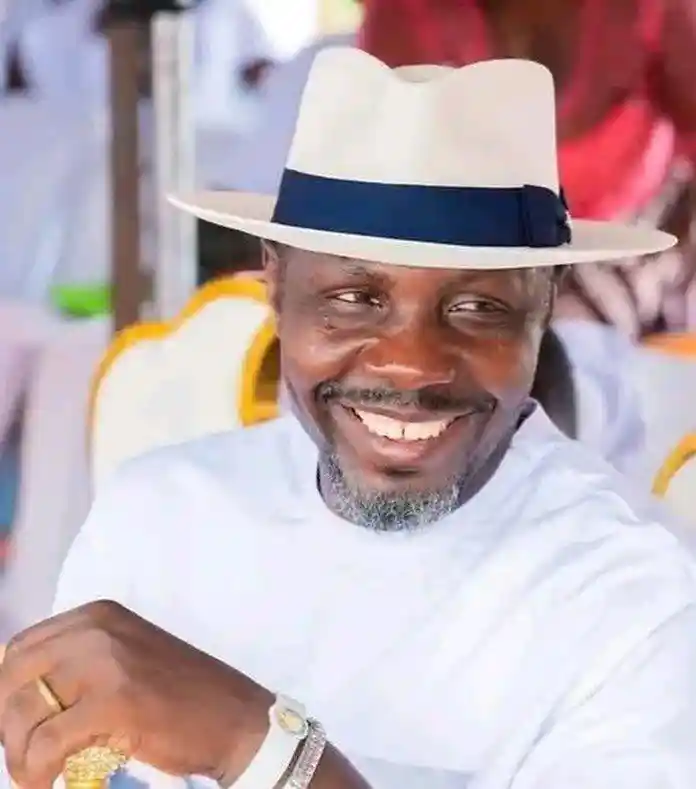
    Government Ekpemupolo, widely known as Tompolo, has been named Social Impact Person of the Year 2025 at the Leadership Annual Conference and Awards.

    The recognition was announced at the high-profile event attended by policymakers, business leaders, governors and civil society stakeholders.

    Ejes Gist News reports that the award acknowledges Tompolo’s contributions to security stabilisation, community development and economic empowerment in the Niger Delta region.

    Recognition at Leadership Annual Conference

    Organisers of the Leadership Awards said the honour reflects measurable impact on communities, particularly in areas affected by oil theft, environmental degradation and youth unemployment.

    According to the citation presented at the event, Tompolo’s leadership of Tantita Security Services Nigeria Limited has significantly contributed to the protection of critical oil and gas infrastructure. The company was contracted by the Federal Government to support surveillance and curb crude oil theft across key pipelines and coastal corridors in the Niger Delta.

    Industry data from the Nigerian National Petroleum Company Limited (NNPCL) has previously shown improvements in crude oil production levels following intensified anti-oil theft operations, a development stakeholders have linked to coordinated surveillance efforts involving Tantita and other security agencies.

    Tompolo

    Role of Tantita Security Services

    Tantita Security Services operates as a private security firm engaged in pipeline monitoring and asset protection. Its operations span several oil-producing states in the Niger Delta.

    Key areas of impact attributed to the company include:

    • Surveillance and monitoring of oil pipelines and maritime assets
    • Collaboration with security agencies to deter illegal refining activities
    • Engagement of local youths in structured employment opportunities
    • Support for intelligence gathering within host communities

    Security analysts have noted that community-based surveillance models, such as those adopted by Tantita, leverage local knowledge to address longstanding sabotage and vandalism challenges.

    Impact on Niger Delta Communities

    Beyond infrastructure protection, Tompolo’s influence in the Niger Delta has extended to community engagement initiatives and youth empowerment programmes.

    Community leaders in Delta and neighbouring states have credited structured employment under pipeline surveillance contracts with reducing restiveness and providing alternative livelihoods for young people previously vulnerable to illicit activities.

    Stakeholders in the region also point to increased dialogue between host communities, security operators and oil companies as part of broader stabilisation efforts.

    The Niger Delta, Nigeria’s oil-producing hub, has faced decades of environmental degradation, militancy and economic marginalisation. Federal and state authorities have, over the years, introduced multiple interventions aimed at improving security and socio-economic outcomes in the region.

    Profile of Government Ekpemupolo

    Government Ekpemupolo, also known as Tompolo, is a former leader of the Movement for the Emancipation of the Niger Delta (MEND). He became prominent during the Niger Delta militancy period prior to the Federal Government’s Amnesty Programme introduced in 2009.

    Since the post-amnesty era, he has remained an influential figure in regional security and economic discussions. His company’s involvement in oil infrastructure surveillance has positioned him at the centre of efforts to address crude oil theft, a major concern for Nigeria’s economy.

    Organisers of the Leadership Annual Conference stated that the 2025 award recognises individuals whose work demonstrates measurable social impact across communities and sectors.

    The conference, held annually, brings together leaders from government, business and civil society to review national development priorities and honour distinguished contributors across various fields.

  • VFD Group names Martins Akpore as Head of Centralised Critical Functions

    VFD Group names Martins Akpore as Head of Centralised Critical Functions

    VFD Group Plc has announced the appointment of Martins Akpore as Group Head, Centralised Critical Functions (CCF).

    In a statement released on Wednesday, the company said Akpore will lead and oversee the Group’s centralised operations, including Finance, Audit, Risk Management, Credit, and Treasury, with immediate effect.

    The statement read: “We are pleased to announce the appointment of Martins Akpore as Group Head, Centralised Critical Functions at VFD Group Plc. In this expanded strategic role, Martins will lead and oversee the Group’s centralised functions spanning Finance, Audit, Risk Management, Credit, and Treasury, effective immediately.”


    Also Read: U.S. Lists 97 Nigerians for Deportation – See Full Names


    It added that Akpore brings extensive professional experience and technical expertise to the position. “Martins brings to this role a strong professional foundation and deep expertise across core financial disciplines, underpinned by his credentials as a Chartered Accountant, Chartered Tax Professional, and Certified Treasury Specialist. He also holds globally recognised certifications in financial modelling and valuation.”

    According to the company, Akpore previously served as Group Head, Treasury, where he played a significant role in strengthening VFD Group’s financial and capital management capabilities.

    “In his new capacity, Martins will be responsible for driving cohesive strategy, governance, and execution across the Centralised Critical Functions. He will ensure robust risk oversight, disciplined financial operations, and alignment with the Group’s strategic priorities,” the statement continued.

    The company further noted that Akpore will work closely with subsidiary leadership teams to enhance institutional standards, strengthen accountability, and support cross-ecosystem decision-making on critical matters.

    VFD Group also disclosed that the Group Managing Director, Nonso Okpala, emphasised the importance of collaboration and execution discipline in achieving the organisation’s Vision 2026 objectives.

    “In line with this, Managing Directors and senior leaders across all subsidiaries are encouraged to partner closely with Martins to ensure alignment, responsiveness, and shared ownership in delivering the Group’s strategic goals,” the statement concluded.

  • 2026 Winter Olympics Ice Hockey: Tournament Guide, Teams, Schedule and Venues

    2026 Winter Olympics Ice Hockey: Tournament Guide, Teams, Schedule and Venues

    The 2026 Winter Olympics ice hockey tournament is set to return as one of the most anticipated events of the Milan-Cortina Games. Twelve national teams will compete for Olympic gold in a competition that brings together the world’s top hockey talent.

    For the first time since the 2014 Sochi Games, National Hockey League (NHL) players will participate in the Olympics, restoring full-strength international rosters and heightening global interest in the event.

    The men’s ice hockey tournament opens on February 11, 2026, and runs through February 22, 2026, in Milan, Italy.

    Tournament Overview

    The opening match features defending Olympic champions Finland against Slovakia in a highly anticipated group-stage clash. The encounter marks the official start of top-tier international hockey at the 2026 Games.

    Ejes Gist News reports that the return of NHL players has significantly increased expectations for traditional hockey powers such as Canada, the United States, Sweden, and Finland.


    When Is the 2026 Winter Olympics Ice Hockey Tournament?

    Competition dates:
    February 11 – February 22, 2026

    Location:
    Milan and Cortina d’Ampezzo, Italy


    Tournament Format and Rules

    The men’s competition features 12 qualified teams divided into three groups of four.

    2026 winter olympics ice hockey Group Stage Structure

    Group A

    • Canada
    • Switzerland
    • Czechia
    • France

    Group B

    • Finland
    • Sweden
    • Slovakia
    • Italy

    Group C

    • United States
    • Germany
    • Latvia
    • Denmark

    Each team plays three preliminary games, facing every opponent in its group once.

    Points System

    Teams earn points based on game results:

    • Regulation win: 3 points
    • Overtime win: 2 points
    • Overtime or shootout loss: 1 point
    • Regulation loss: 0 points

    At the end of the group stage, the top four teams overall automatically qualify for the quarter-finals.

    The remaining eight teams enter a qualification playoff round to determine the final quarter-finalists.

    Seeding Criteria

    After preliminary play, teams are ranked 1 through 12 using the following factors:

    1. Position within the group
    2. Total points earned
    3. Goal difference
    4. Goals scored
    5. International Ice Hockey Federation (IIHF) world ranking

    Venues for 2026 Winter Olympics Ice Hockey

    Matches will be played at two major arenas in the Milan metropolitan area.

    Milano Santagiulia Ice Hockey Arena

    This newly constructed venue will host medal-round games and marquee matchups.

    • Seating capacity: approximately 14,000–16,000
    • Location: Santa Giulia district, Milan
    • Purpose: semifinals, bronze-medal match, and gold-medal final


    Also Read: EPL: It’s Screaming, They Don’t Know Football,  Souness Slams Man Utd Owners

    Milano Rho Ice Hockey Arena

    A temporary facility built within the Fiera Milano exhibition center.

    • Seating capacity: approximately 5,700–6,500
    • Role: preliminary round games and early knockout fixtures

    Reigning Olympic Champions

    Finland enters the 2026 tournament as defending gold medalists after winning its first Olympic title at Beijing 2022. Finland defeated the Russian Olympic Committee 2–1 in the final to complete an undefeated run.

    Slovakia won its first Olympic ice hockey medal in 2022, earning bronze with a decisive 4–0 victory over Sweden.

    Canada remains the most dominant nation of the modern era, capturing gold medals in 2002, 2010, and 2014.

    The United States last won Olympic gold in 1980 and finished with silver medals in 2002 and 2010.


    2026 Winter Olympics USA Hockey Team

    The 2026 Winter Olympics USA hockey team is expected to be one of the strongest American rosters assembled in decades.

    With NHL participation restored, the United States will feature elite players from across the league, bringing renewed optimism for a potential gold medal run.

    The American team competes in Group C alongside Germany, Latvia, and Denmark.

    Analysts consider the United States a major contender due to its depth of young talent, including several NHL stars in their prime.

    The USA squad will begin its Olympic campaign in the preliminary round, aiming to secure an automatic quarter-final berth.


    NHL Players Return to the Olympics

    The 2026 Games mark the first Olympic tournament since 2014 to include NHL players.

    A joint agreement between the NHL, the NHL Players Association, the IIHF, and the International Olympic Committee cleared the way for professional players to participate.

    The decision ends more than a decade of Olympic absence for the sport’s biggest stars and restores the tournament to its traditional status as the premier international hockey competition.


    Russia and Belarus Exclusion

    Russia and Belarus remain banned from IIHF-sanctioned competitions, including the 2026 Winter Olympics ice hockey tournament.

    The suspension has been in place since 2022 following the invasion of Ukraine.

    The IIHF cited security concerns and international sporting sanctions as the basis for the decision.


    Key Tournament Dates

    • Qualification playoffs: February 17, 2026
    • Quarter-finals: February 18, 2026
    • Semi-finals: February 20, 2026
    • Bronze medal game: February 21, 2026
    • Gold medal final: February 22, 2026

    Players to Watch at the 2026 Winter Olympics Ice Hockey Tournament

    Several world-class athletes are expected to headline the competition:

    • Sidney Crosby – Canada
    • David Pastrnak – Czechia
    • Leon Draisaitl – Germany
    • William Nylander – Sweden
    • Juraj Slafkovsky – Slovakia
    • Matthew Tkachuk – United States
    • Moritz Seider – Germany
    • Lars Eller – Denmark

    These players represent some of the most recognizable names in global hockey and are expected to play decisive roles for their national teams.


    Growing Global Interest

    With NHL participation restored, the 2026 Winter Olympics ice hockey tournament is projected to attract record global viewership.

    The return of traditional rivalries, including potential Canada–USA showdowns, has further heightened excitement ahead of the Milan-Cortina Games.

    Thanks for using our platform to learn about the 2026 winter olympics USA hockey team.

  • Horrific Scene in Ogun as Church Security Guard Murdered on Altar

    Horrific Scene in Ogun as Church Security Guard Murdered on Altar

    Akute-Odo, Ifo, Ogun State – Residents of Akute-Odo in Ifo Local Government Area were thrown into panic on Monday morning after assailants invaded Christ Crusaders’ Deliverance Ministries and brutally murdered the church’s security guard, popularly known as Baba Iwo.


    Ejes Gist News reports that the attack occurred around 1 a.m., during a power outage in the community. Eyewitness accounts and video evidence indicate that Baba Iwo confronted unusual movements inside the church and went to investigate with his cutlass. He was overpowered by multiple attackers and hacked on the altar, leaving his body on a blood-soaked rug with his neck nearly severed.


    Also Read: US Pentagon to Send 200 Soldiers to Nigeria to Train Military Against Islamist Insurgents

    Local youths reportedly intervened during the assault. One suspect was apprehended while fleeing the scene, sustaining injuries in the struggle. The individual was handed over to the Ajuwon Police Division. Residents said two local people were also injured during the apprehension.

    Authorities said the suspect claimed he and his accomplices “cut people’s heads,” prompting police to review CCTV footage to determine the presence of additional attackers. Investigations have been transferred to the Ogun State Criminal Investigation Department. The body of Baba Iwo has been released to the family for burial according to Islamic rites.


    Pay Attention To: US Congress Names Kwankwaso, Fulani Ethnic Militias On Terror List


    This incident has intensified security concerns in Akute-Odo. It follows the recent deaths of gospel artiste Matthew Ogundele and three crew members, found slain in a local music studio less than a week ago.

    Police have urged residents to remain vigilant and report suspicious activities as investigations continue.

  • US Pentagon to Send 200 Soldiers to Nigeria to Train Military Against Islamist Insurgents

    US Pentagon to Send 200 Soldiers to Nigeria to Train Military Against Islamist Insurgents

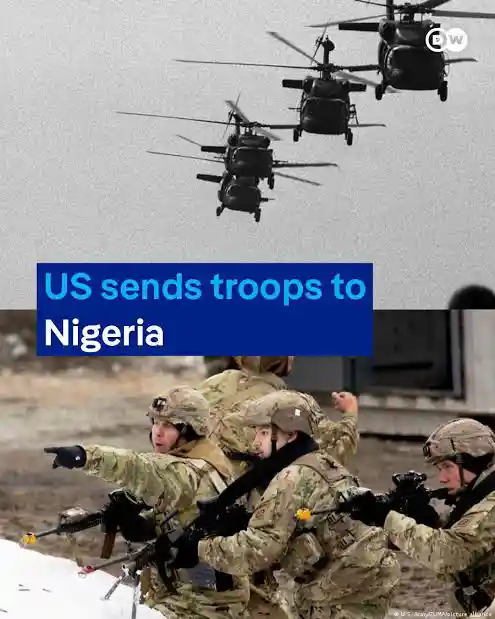
    The US Department of Defense has announced plans to deploy about 200 American troops to Nigeria to assist in training the West African country’s military amid ongoing security challenges.

    The Pentagon confirmed that the deployment, expected to take place in the coming weeks, will focus on training, technical guidance, and intelligence support for Nigerian armed forces combating Islamist militant groups. The United States will not deploy these troops into direct combat operations, US and Nigerian military officials said.


    Ejes Gist News reports that the additional personnel will build on a smaller contingent of US forces already present in Nigeria, whose presence was publicly confirmed earlier this month by General Dagvin R. M. Anderson, commander of United States Africa Command (AFRICOM). The existing team has been engaged in intelligence collaboration and support activities.

    Also Read: US Congress Names Kwankwaso, Fulani Ethnic Militias On Terror List

    US officials described the expanded deployment as a scaling up of bilateral military cooperation, driven in part by Nigeria’s request for increased support. Nigerian Defence Headquarters spokesperson Major General Samaila Uba said the troops will assist with training and coordinating complex operations, including helping Nigerian forces improve planning and execution.


    The move comes amid intensifying violence from Boko Haram and its splinter group, the Islamic State West Africa Province (ISWAP), as well as other militant factions that have sustained a years-long insurgency in Nigeria’s northern regions. These groups have repeatedly attacked both military and civilian targets, contributing to one of the most persistent security crises on the African continent.


    Officials noted that President Donald Trump’s administration has increasingly pressed for deeper engagement with Nigeria’s security apparatus. This diplomatic context includes earlier US airstrikes against militant camps in the country and strong US criticism of Nigeria’s handling of internal insecurity.


    Nigerian authorities have emphasised that the deployment respects the country’s sovereignty, and that cooperation with the United States is designed to enhance Nigeria’s ability to address domestic terrorism threats. A US Africa Command spokeswoman confirmed that the additional troops are intended to supplement existing support activities, with a focus on intelligence, planning, and logistical assistance rather than frontline combat.

    The reinforcement reflects Washington’s strategic interest in counter-terrorism collaboration in West Africa and seeks to bolster the capacity of regional partners to address extremist threats that have regional spill-over effects.

  • US Congress Names Kwankwaso, Fulani Ethnic Militias On Terror List

    US Congress Names Kwankwaso, Fulani Ethnic Militias On Terror List

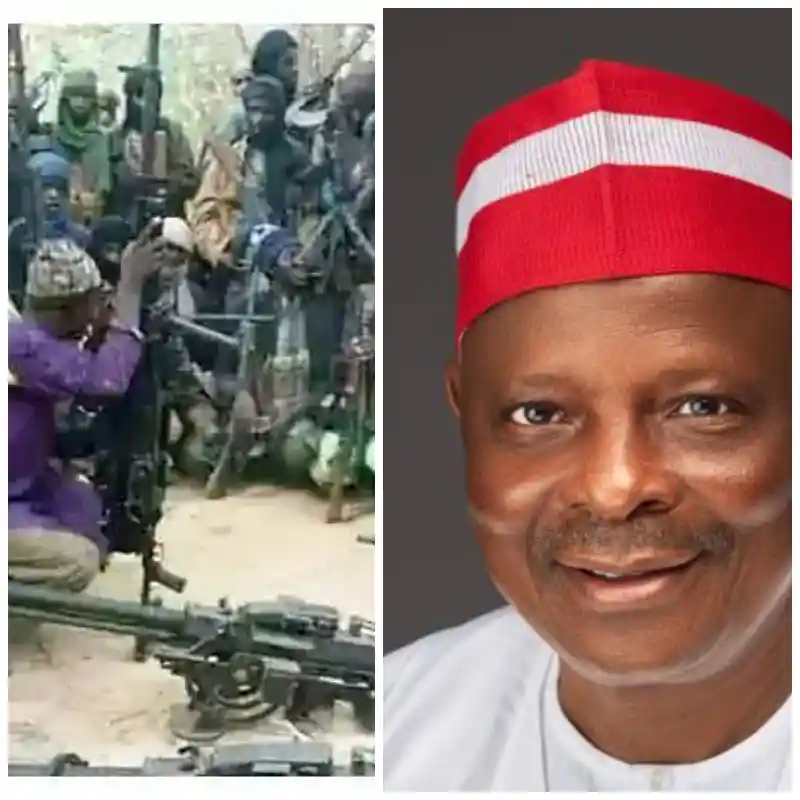
    The United States Congress has introduced sweeping legislation targeting religious persecution in Nigeria, naming former Kano State Governor Rabiu Musa Kwankwaso and Fulani-ethnic militias among entities that could face sanctions and terror designations.

    The bill, titled the Nigeria Religious Freedom and Accountability Act of 2026, was formally presented in Washington by Representatives Chris Smith of New Jersey and Riley Moore of West Virginia. It seeks to compel the U.S. Secretary of State to prepare a comprehensive report on ongoing religious violence and mass atrocities in Nigeria.

    Ejes Gist News reports that the proposed law outlines targeted actions against individuals and groups accused of involvement in severe religious freedom violations. The legislation specifically recommends sanctions under the Global Magnitsky Human Rights Accountability Act, including visa bans and asset freezes.

    Also Read: Electoral Act: Senate’s E-Transmission Approval Raises Fresh Questions

    Lawmakers Cite Rising Violence in Nigeria

    The sponsors of the bill said it was motivated by what they described as persistent attacks on Christian communities and non-radical Muslims in Nigeria.

    “For years, Christians in Nigeria have faced unspeakable violence—churches burned, villages destroyed, families slaughtered—while the global community looked away,” Representative Moore said in a statement announcing the legislation.

    Moore explained that he visited Nigeria as part of an investigation directed by U.S. President Donald Trump and witnessed the security challenges facing the country.

    Representative Smith, Chairman of the House Foreign Affairs Africa Subcommittee, said the Nigerian government’s denial of religious persecution had enabled violence to escalate.

    “The Nigerian government’s blatant denial of the religious persecution occurring within its borders has only enabled the religious-based violence in the country to fester,” Smith said.

    Individuals and Groups Named for Possible Sanctions

    A section of the proposed legislation lists specific individuals and organizations that should be considered for punitive measures. These include:

    • Fulani-ethnic nomad militias in Nigeria
    • Rabiu Musa Kwankwaso, former Governor of Kano State
    • Miyetti Allah Cattle Breeders Association of Nigeria (MACBAN)
    • Miyetti Allah Kautal Hore

    The bill also calls on the U.S. Secretary of State to determine whether certain Fulani-ethnic militias qualify for designation as foreign terrorist organizations under U.S. immigration laws.

    If approved, the law would require the Departments of State and Treasury to impose targeted sanctions on any individual or entity found responsible for religious persecution.

    Broad Congressional Backing

    The legislation enjoys the support of senior U.S. lawmakers, including House Appropriations Committee Chairman Tom Cole, House Foreign Affairs Committee Chairman Brian Mast, and several other influential members of Congress.

    Mast described the bill as necessary to confront what he called brutal assaults against vulnerable communities.

    “The free world cannot stand by as Christians face mass murders, kidnappings and brutal assaults at the hands of terrorist thugs and armed militias in Nigeria,” he said.

    Cole added that defending religious liberty is both a moral duty and a vital American interest.

    What the Bill Requires

    Under the proposed law, the U.S. Secretary of State would be mandated to submit a detailed report to Congress covering multiple areas, including:

    • Nigeria’s compliance with the International Religious Freedom Act
    • Actions taken by the Nigerian government to prevent persecution and prosecute offenders
    • Identification of individuals and entities sanctioned or under review
    • Assessment of U.S. humanitarian and security assistance to Nigeria
    • Evaluation of blasphemy laws and their enforcement
    • Conditions of internally displaced persons
    • Recommendations for further executive or congressional action

    The bill further requires an investigation into whether U.S. security assistance to Nigeria risks enabling religious persecution.

    Focus on Humanitarian Assistance

    Another component of the legislation urges the United States to deliver humanitarian aid, co-funded by the Nigerian government, to communities affected by violence. It specifies that such assistance should be channeled through trusted faith-based and non-governmental organizations operating in Nigeria’s Middle Belt region.

    Supporters of the bill argue that coordinated humanitarian intervention is necessary to protect displaced populations and rebuild devastated communities.

    Next Steps

    The Nigeria Religious Freedom and Accountability Act of 2026 has been referred to relevant congressional committees for further consideration. If passed, it would mark one of the most direct interventions by the United States in Nigeria’s internal security and human rights crisis.

    American lawmakers said the legislation aligns with the Trump Administration’s policy of redesignating Nigeria as a Country of Particular Concern over religious freedom violations.

    The bill represents a significant escalation in U.S. scrutiny of Nigeria’s handling of sectarian violence and could have far-reaching diplomatic and economic implications.

  • Electoral Act: Senate’s E-Transmission Approval Raises Fresh Questions

    Electoral Act: Senate’s E-Transmission Approval Raises Fresh Questions

    Nigeria’s Senate has approved an amendment permitting both electronic and manual transmission of election results, a decision that has triggered renewed controversy among political stakeholders and civil society groups.

    The upper chamber on Tuesday reversed its earlier position rejecting electronic transmission of results from polling units to the Independent National Electoral Commission Results Viewing Portal (IReV). The reversal followed an emergency plenary session in Abuja where lawmakers amended Clause 60(3) of the Electoral Act Amendment Bill.

    Ejes Gist News reports that the Senate approved electronic transmission of election results but inserted a proviso allowing manual collation where electronic transfer fails due to communication challenges.


    Also Read: U.S. Lists 97 Nigerians for Deportation – See Full Names

    What the Amended Clause Provides

    Under the revised Clause 60(3), election results must first be entered into Form EC8A at polling units, signed and stamped by the presiding officer and available party agents. After this process, the results may be transmitted electronically to the IReV portal.

    However, the amendment stipulates that if electronic transmission is unsuccessful because of network failure or other technical issues, the manually signed EC8A form shall become the primary source for collation and declaration of results.

    This adjustment effectively removes the earlier provision for real-time electronic upload of election results, a key demand by electoral reform advocates.

    Divergence with House of Representatives Version

    The Senate’s position differs significantly from the version earlier passed by the House of Representatives. The House amendment mandates real-time electronic transmission of results from every polling unit without exceptions.

    While the House version insists that the presiding officer shall transmit results to IReV immediately after completion at polling units, the Senate amendment introduces a fallback option to manual results where electronic transmission fails.

    This difference has intensified debate over the final shape of the electoral law.

    How the Senate Reached the Decision

    The amendment followed a motion moved by Senate Chief Whip Mohammed Monguno (APC, Borno North), who asked the chamber to rescind its earlier resolution on Clause 60(3).

    Monguno explained that fresh issues had emerged after closer examination of the bill, requiring further legislative action to ensure smooth and transparent elections.

    He said he was compelled to withdraw his earlier motion, which had supported retention of the existing law, because of the controversy it generated nationwide.

    Minority Leader Abba Moro seconded the motion, paving the way for reconsideration and eventual approval of the amended clause.

    Opposition Voices Raise Alarm

    The Senate decision has drawn strong criticism from opposition parties and civil society organisations, who argue that the amendment creates loopholes that could undermine electoral integrity.

    Former Vice President Atiku Abubakar warned that allowing both electronic and manual transmission of results could generate confusion and compromise credibility.

    Speaking to journalists in Minna, Atiku said real-time electronic transmission remained the best guarantee for transparent elections and urged opposition parties to unite against the Senate’s position.

    “Nigeria expected real-time electronic transfer for elections, but what we got is a mixture of electronic and manual transmission, which will cause more confusion,” he said.

    Protests and Political Reactions

    Former Minister of Transportation Rotimi Amaechi joined a protest at the National Assembly to oppose the Senate’s earlier rejection of real-time transmission.

    Amaechi accused the ruling All Progressives Congress of resisting electronic transmission because it feared losing elections, and called on opposition parties to mobilise against the amendment.

    The African Democratic Congress (ADC) and the Peoples Democratic Party (PDP) also rejected the Senate version, insisting that only mandatory real-time transmission without exceptions would protect the votes of Nigerians.

    The PDP described the Senate’s caveat as a backdoor attempt to weaken electoral transparency.

    Civil Society Groups Divided

    Civil society organisations expressed mixed reactions to the development.

    Some groups described the Senate’s action as a positive response to public pressure, while others warned that the amendment retained too much discretion in the hands of INEC.

    Taiwo Otitolaye of the Community Outreach for Development and Welfare Advocacy called the amendment a double standard, arguing that network reliability concerns remain unresolved.

    Other advocacy groups, including Brain Builders Youth Development Initiative, said protests and engagement would continue until the National Assembly adopts unambiguous provisions guaranteeing real-time transmission.

    Experts Warn Against Overreliance on Technology

    Political scientists offered cautionary perspectives on the debate.

    Professor Gbade Ojo of the University of Ilorin commended the Senate for adopting a balanced approach, warning that exclusive reliance on electronic transmission could be risky in Nigeria’s technological environment.

    He cited persistent electricity failures, poor internet penetration, and previous glitches in national systems as factors that could affect elections.

    Similarly, Dr. Edun Abdulkareem argued that without stable infrastructure, electronic transmission might remain impractical in many parts of the country.

    Senate Passes All Clauses

    Despite disagreements, the Senate adopted all clauses of the Electoral Act Amendment Bill 2026 after further deliberations.

    Senate President Godswill Akpabio read the final version of Clause 60(3), confirming that electronic transmission would be the primary method, with signed EC8A forms serving as fallback where technology fails.

    The amendment was approved after a brief rowdy session, during which some senators raised procedural objections before eventually reaching consensus.

    Conference Committees to Harmonise Positions

    The Senate and House of Representatives have constituted separate conference committees to reconcile differences between the two versions of the bill.

    The Senate committee is led by Senator Simon Bako Lalong, while the House committee is chaired by Representative Adebayo Balogun.

    Both panels are mandated to produce a harmonised document that will guide the conduct of future elections in Nigeria.

  • U.S. Lists 97 Nigerians for Deportation – See Full Names

    U.S. Lists 97 Nigerians for Deportation – See Full Names

    The United States government has commenced plans to deport 97 Nigerian nationals over alleged violations of immigration and criminal laws, according to official records released by the U.S. Department of Homeland Security (DHS).

    Authorities confirmed that the figure comprises 18 newly listed Nigerians added to an earlier batch of 79 individuals already marked for removal. The development forms part of a broader enforcement operation coordinated by U.S. Immigration and Customs Enforcement (ICE) across multiple states.

    Ejes Gist News reports that the updated deportation list was published on the official DHS website as part of what American authorities described as a nationwide crackdown on immigrants accused of serious criminal conduct.

    DHS Explains Basis for Deportations

    In the statement, DHS said the targeted individuals were arrested under an expanded enforcement programme aimed at removing non-citizens convicted of crimes considered threats to public safety and financial security.

    The agency described the operation as focusing on what it termed “worst-of-the-worst criminal immigrants.” It added that the alleged offences linked to the affected Nigerians include wire fraud, mail fraud, identity theft, and other financial crimes.

    “The U.S. Department of Homeland Security is highlighting the worst of the worst criminal aliens arrested by U.S. Immigration and Customs Enforcement,” the statement read.

    It further stated that enforcement actions were being carried out in line with federal immigration laws and under directives from the current U.S. administration.

    Newly Listed Nigerians for Deportation

    The latest list released by DHS contains the names of 18 Nigerian nationals. They include:

    • Oluwaseyanu Afolabi
    • Olugbeminiyi Aderibigbe
    • Benjamin Ifebajo
    • Obinwanne Okeke
    • Kolawole Aminu
    • Oluwadamilola Ojo
    • Franklin Ibeabuchi
    • Alex Ogunshakin
    • Joshua Ineh
    • Stephen Oseghale
    • Eghosa Obaretin
    • Adesina Lasisi
    • Ibrahim Ijaoba
    • Azeez Yinusa
    • Charles Akabuogu
    • Kelechi Umeh
    • Lotenna Umeadi
    • Donald Ehie
    • Chukwudi Kalu

    These names were added to an earlier roster of 79 Nigerians already scheduled for deportation, bringing the total number to 97.

    Nature of Allegations

    U.S. officials stated that many of the affected individuals were convicted of offences involving financial fraud schemes, cyber-related crimes, and other violations deemed to have caused economic losses.

    The DHS claimed that such crimes pose significant risks to American citizens, institutions, and national security interests. ICE authorities said arrests were executed through coordinated operations involving federal and local law enforcement agencies.

    Also Read: Black Market Dollar to Naira Exchange Rate Today, Monday, February 9, 2026

    Deportation Process

    According to DHS, deportation proceedings would be carried out immediately for individuals who have exhausted legal appeals or whose immigration status had already been revoked.

    The agency emphasized that removals would follow established immigration protocols and court directives.

    Diplomatic Implications

    The deportation exercise represents one of the largest single enforcement actions involving Nigerian nationals in the United States in recent years.

    Nigerian government officials have not issued an official response to the updated list. Historically, deportations from the U.S. to Nigeria are conducted in coordination with Nigerian immigration authorities and diplomatic missions.

    What the Action Represents

    The U.S. government described the exercise as part of its broader immigration enforcement agenda aimed at prioritizing the removal of non-citizens with criminal records.

    DHS maintained that the crackdown would continue nationwide and that additional names could be added as investigations progress.

  • Black Market Dollar to Naira Exchange Rate Today, Monday, February 9, 2026

    Black Market Dollar to Naira Exchange Rate Today, Monday, February 9, 2026

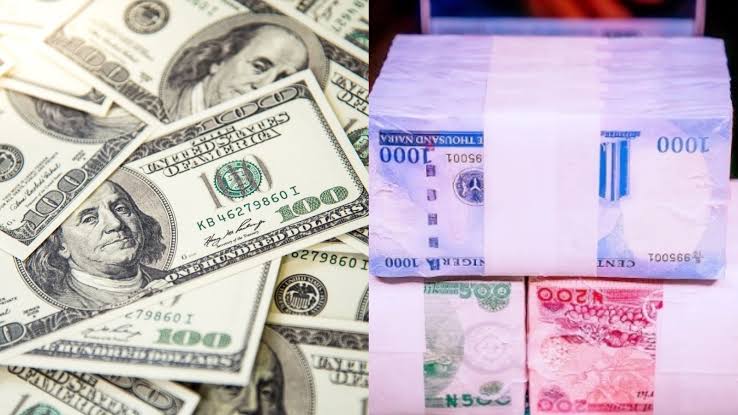
    The black market dollar to naira exchange rate opened trading on Monday, February 9, 2026, with the Nigerian currency maintaining pressure against the United States dollar in the parallel market.

    Currency dealers in major trading hubs quoted the naira at an average buying rate of ₦1,455 per dollar, while the selling rate stood at approximately ₦1,465 per dollar. These figures reflect transactions carried out among Bureau De Change operators and informal market traders across Lagos, Abuja, and other commercial centers.

    Ejes Gist News reports that the rates represent the prevailing value of the naira in the unofficial foreign exchange market, where demand for dollars continues to outpace supply. The black market operates independently of the Central Bank of Nigeria’s regulated window and often records prices higher than the official exchange rate.

    Also Read: 133 Million in Poverty: Presidency Clears Tinubu, Points Finger at Governors

    How the Parallel Market Functions

    The black market, commonly known as the parallel market, serves individuals and businesses unable to access foreign currency through formal banking channels. Exchange rates in this segment are determined by demand and availability of dollars, rather than official monetary policy.

    Traders say fluctuations in the rate are influenced by factors such as import demand, remittance flows, and general confidence in the economy. Prices may also vary slightly from one location to another, depending on local market conditions.

    Difference Between Official and Black Market Rates

    Nigeria operates multiple exchange rate windows. The official rate is set through the Central Bank of Nigeria and the Investors and Exporters window, while the black market rate emerges from informal transactions.

    The gap between the two markets has remained a major concern for businesses and investors, as it affects the cost of imported goods and overall price stability.

    Impact on Nigerians

    The exchange rate in the parallel market directly affects the cost of travel, school fees paid abroad, medical expenses, and international trade transactions conducted outside the banking system.

    A weaker naira in the black market typically leads to higher prices for imported products, contributing to inflationary pressures in the domestic economy.

    Caution to Market Participants

    Financial experts continue to advise members of the public to exercise caution when engaging in black market transactions due to the risks involved. Exchange rates in the parallel market are not regulated, and prices can change multiple times within a single day.

    The Central Bank of Nigeria has repeatedly stated its commitment to stabilizing the foreign exchange market through policy interventions aimed at improving liquidity and narrowing the gap between official and parallel rates.

    For Monday, February 9, 2026, the black market dollar to naira exchange rate remains a key indicator of the ongoing challenges in Nigeria’s foreign exchange environment.

  • 133 Million in Poverty: Presidency Clears Tinubu, Points Finger at Governors

    133 Million in Poverty: Presidency Clears Tinubu, Points Finger at Governors

    The Presidency has shifted responsibility for Nigeria’s worsening poverty crisis to state governors and local government authorities, insisting that President Bola Tinubu should not be held accountable for the economic hardship affecting millions of citizens.

    In a strongly worded statement, presidential officials argued that the bulk of governance responsibilities that directly impact the welfare of Nigerians lie with subnational governments, not the federal administration.

    Ejes Gist News reports that the Presidency maintained that the figure of 133 million Nigerians living in multidimensional poverty is largely a reflection of failures at the state and local government levels, where funds allocated for development are allegedly mismanaged or poorly utilized.

    Presidency Defends Tinubu

    According to the statement, poverty indicators across the country cannot be blamed solely on federal policies because governors from both the All Progressives Congress (APC) and the Peoples Democratic Party (PDP) control significant resources and constitutional powers.

    Also Read: Kidnapper Walks Into Hospital, Comes Face-to-Face With Doctor He Abducted

    Presidential aides said state governments receive monthly allocations running into billions of naira but have not done enough to improve living conditions in their respective domains.

    “The federal government cannot be everywhere at once,” a senior official said. “Governors and local councils are closer to the people and are primarily responsible for education, primary healthcare, rural development, and social services.”

    Focus on Local Government Performance

    The Presidency also criticized local government administrations, accusing them of failing to deliver basic services despite constitutional mandates and regular federal allocations.

    Officials argued that the persistence of poor infrastructure, inadequate schools, and failing primary healthcare centers is evidence of systemic failures at the grassroots level.

    Analysts note that local governments in Nigeria depend heavily on state governors for funding and autonomy, a situation that has often sparked debates over accountability and transparency.

    Rising Poverty Figures

    Data from national and international agencies have consistently painted a grim picture of Nigeria’s economic realities. The National Bureau of Statistics reported that more than half of the country’s population experiences some form of multidimensional poverty.

    The Presidency said such statistics reflect decades of structural neglect at the state and local levels, not policies introduced by the current federal administration.

    Political Reactions

    Opposition parties and civil society groups have criticized the Presidency’s position, arguing that economic policies implemented at the federal level have contributed significantly to rising living costs.

    Critics point to fuel subsidy removal, exchange rate reforms, and inflationary pressures as factors that have deepened hardship for ordinary Nigerians.

    Supporters of the federal government counter that the reforms are necessary long-term measures designed to stabilize the economy and attract investment.

    Call for Shared Responsibility

    Presidential spokesmen urged governors across party lines to take greater responsibility for development within their jurisdictions, rather than shifting blame to Abuja.

    The Presidency said meaningful poverty reduction can only occur when states and local councils prioritize job creation, education, healthcare, and rural infrastructure.

    As debate continues over who bears responsibility for Nigeria’s economic challenges, the federal government insists that the fight against poverty requires collective action from all tiers of government.

    How FG Can Increase Awareness On Data Protection – Expert | Nigeria News

    No official response has yet been issued by the Nigerian Governors’ Forum or individual state governments regarding the Presidency’s accusations.

  • Kidnap Suspect Walks Into Hospital, Comes Face-to-Face With Doctor He Abducted

    Kidnap Suspect Walks Into Hospital, Comes Face-to-Face With Doctor He Abducted

    Two men suspected to be involved in the kidnapping of a medical doctor in Edo State and the killing of his younger brother have been arrested, police sources confirmed.

    The suspects were apprehended in an unusual turn of events at a hospital in the state capital after one of them reportedly arrived with his child for medical treatment.

    Ejes Gist News reports that the doctor on duty at the hospital was the same physician who had earlier been abducted in the incident that claimed the life of his sibling. Hospital staff alerted security operatives after the doctor identified one of the visitors as a participant in the earlier attack.

    How the Arrest Occurred

    According to preliminary information, one of the suspects brought his child to the hospital on February 8, 2026, seeking medical attention. While attending to patients, the doctor allegedly recognized the man as one of those who kidnapped him.

    Security personnel attached to the facility were notified and the individual was detained. Investigators later arrested a second suspect believed to be connected to the crime.

    Police authorities in Edo State confirmed that both men are now in custody and are undergoing interrogation.

    Background of the Case

    The medical doctor was abducted earlier in 2026 along with his younger brother. During the attack, the brother was killed while the doctor was later released after several days in captivity.

    The incident drew widespread condemnation from professional associations and residents who demanded stronger security measures to curb rising cases of kidnapping in the state.

    Police Investigation

    A spokesperson for the Edo State Police Command said investigations are ongoing to determine the full extent of the suspects’ involvement.

    “The command has made arrests in connection with a kidnapping and murder case involving a medical practitioner,” the official said. “Further details will be released as soon as investigations are concluded.”

    Authorities have urged members of the public to remain calm and avoid spreading unverified information while the legal process takes its course.

    Rising Concern Over Kidnapping

    Edo State, like several parts of Nigeria, has faced increasing incidents of abduction for ransom in recent years. Security agencies have pledged to intensify operations against criminal networks operating in the region.

    Medical associations and civil society groups have called for improved protection for health workers, many of whom serve in remote and high-risk areas.

    The suspects are expected to be charged to court after the completion of police investigations.

  • Fulfill Your Duty as President, Pope Leo Reacts to wave of deadly attacks in Nigeria

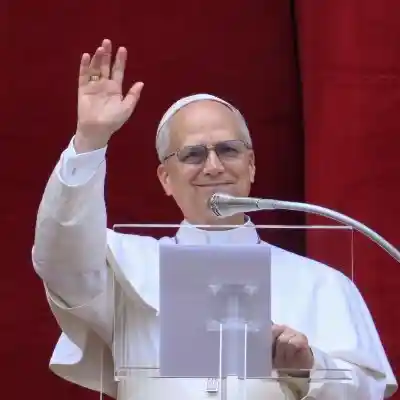
    Fulfill Your Duty as President, Pope Leo Reacts to wave of deadly attacks in Nigeria

    Pope Leo XIV has called on the Nigerian government to take urgent action to protect citizens following a deadly attack in Kwara State that left more than 175 people dead.

    The Pope made the appeal in a statement posted on February 8, 2026, reacting to the February 6 massacre in which gunmen invaded a rural community and opened fire on residents gathered for a religious meeting.

    Ejes Gist News reports that the pontiff expressed deep sorrow over the killings and urged Nigerian authorities to fulfill their constitutional responsibility to safeguard lives.

    “It is with sorrow and concern that I learned of the recent attacks against various communities in Nigeria leading to a heavy loss of life,” Pope Leo XIV wrote on his verified X account. “I express my prayerful closeness to all the victims of violence and terrorism. I likewise hope that the competent authorities will continue to work with determination to ensure the safety and protection of the life of every citizen.”


    Also Read: Christian Genocide: U.S. Anchor Reveals Why He Rejected First Lady Remi Tinubu’s Television Interview Request

    Details of the Kwara Attack

    Local officials said the attackers, described by security sources as suspected Islamist militants, targeted a community near the border area of Kwara State. Survivors reported that the assailants sent a message to the traditional ruler days earlier claiming they intended to visit the town to preach.

    According to eyewitness accounts, the gunmen arrived in large numbers and asked residents to gather for prayers. In the middle of the gathering, the attackers began shooting indiscriminately.

    Community leaders stated that both Christians and Muslims who refused to join the militants’ demands were among those killed. The death toll has been placed at more than 175, although local residents say many bodies remain unaccounted for.

    Security analysts and regional officials linked the violence to extremist groups operating in parts of northern and central Nigeria. Some reports identified elements of the attackers as armed militants from nomadic groups, while others described them broadly as Islamic terrorists.

    National and International Reactions

    The massacre has triggered widespread condemnation from religious organizations and human rights advocates. Nigerian civil society groups have called for an independent investigation and stronger protection for vulnerable communities.

    The Pope’s statement is one of the strongest international reactions to the incident so far. In his message, he appealed directly to Nigeria’s political leadership to act decisively.

    Diplomatic observers noted that papal interventions on global conflicts often reflect growing concern within the international community about the safety of civilians.

    Government Response

    As of publication, the Nigerian federal government had not released an official statement specifically addressing the Kwara killings. In previous incidents, authorities have said they are deploying additional security forces and conducting operations against terrorist networks.

    Military and police officials have repeatedly maintained that efforts are underway to dismantle armed groups responsible for attacks across the country.

    Continuing Insecurity

    Nigeria has experienced years of violence involving insurgency, banditry, and communal clashes. Religious institutions and local communities have warned that repeated attacks are eroding public confidence and threatening social stability.

    Residents of the affected area in Kwara State appealed for immediate humanitarian assistance and permanent security presence to prevent further bloodshed.

    The Pope concluded his message by urging leaders at all levels to place the protection of human life above all other considerations. His appeal adds to mounting pressure on Nigerian authorities to address the worsening security situation.

  • Christian Genocide: U.S. Anchor Reveals Why He Rejected First Lady Remi Tinubu’s Television Interview Request

    Christian Genocide: U.S. Anchor Reveals Why He Rejected First Lady Remi Tinubu’s Television Interview Request

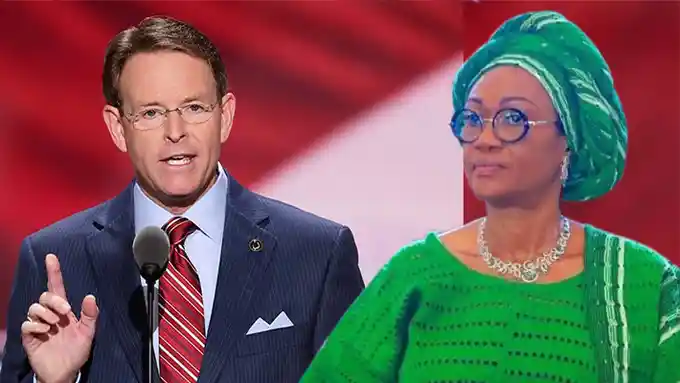
    A prominent American broadcaster, Tony Perkins, has disclosed why he declined a request from Nigeria’s First Lady, Senator Oluremi Tinubu, to appear on his television program during her 2026 visit to the United States.

    Perkins, president of the Family Research Council and host of the U.S.-based program Washington Watch, said he refused to grant the interview because of concerns over religious violence and human rights conditions in Nigeria.

    Ejes Gist News reports that the conservative anchor made the revelation while addressing his audience, explaining that he was unwilling to provide a platform he believed could be used to project a favorable image of the Nigerian government amid ongoing security challenges.

    “The First Lady of Nigeria was here this week, and in fact they wanted to come on the program to talk about religious freedom,” Perkins said. “I said I’m not gonna meet with them or have a meeting with anybody. I’m not gonna give them a platform to cover up what they’re doing in Nigeria.”

    Details of the 2026 Visit

    Senator Remi Tinubu traveled to the United States in 2026 as part of international engagements linked to her role as Nigeria’s First Lady. Her office has promoted initiatives focused on women’s empowerment, social investment, and humanitarian advocacy.

    Specific details of her U.S. schedule were not publicly released. Diplomatic sources indicated that the trip included meetings with nonprofit organizations and policy stakeholders.

    Neither the Office of the First Lady nor Nigeria’s Ministry of Information has issued a public response to Perkins’ comments or confirmed the circumstances surrounding the interview request.

    Allegations of Religious Persecution

    Perkins and the Family Research Council have repeatedly criticized what they describe as worsening religious violence in Nigeria. The organization has characterized attacks by extremist groups and armed militias as part of a broader pattern of persecution targeting Christian communities.

    Successive Nigerian administrations have rejected claims of systematic persecution, stating that security challenges in the country are complex and affect citizens of different faiths and regions.

    The Nigerian government maintains that it is implementing military and policy measures to address terrorism, banditry, and communal clashes.

    Role of U.S. Lawmakers

    The issue has drawn attention from members of the United States Congress, particularly Representative Chris Smith of New Jersey. Smith has held multiple hearings on violence in Nigeria and has called for stronger international pressure to protect vulnerable communities.

    Advocacy groups in the United States have praised Smith’s efforts to keep Nigeria on the agenda of American foreign policy discussions.

    No official statement from Smith’s office directly referenced the First Lady’s attempted media engagement.

    Media and Diplomatic Implications

    International media appearances by senior Nigerian officials have traditionally been used to promote government policies and improve the country’s global image. The refusal by a high-profile U.S. anchor to host the First Lady represents an unusual diplomatic setback.

    Analysts say the episode highlights the intense scrutiny Nigeria faces abroad over governance, security, and human rights concerns.

    Official Response Awaited

    As of publication, Nigerian authorities have not issued an official clarification regarding the matter. Requests for comment sent to the Nigerian Embassy in Washington had not been answered.

    Presidency Explains Why Tinubu Stumbled and Fell During Turkey Visit

    The incident continues to generate discussion within policy circles in both Nigeria and the United States, particularly among organizations focused on religious freedom and international human rights.

  • Panic as Bandits Kill Three, Abduct Catholic Priest and 10 Others in Kaduna

    Panic as Bandits Kill Three, Abduct Catholic Priest and 10 Others in Kaduna

    Gunmen suspected to be bandits have killed three residents and abducted a Catholic priest alongside 10 other persons in an attack on Karku community in Kauru Local Government Area of Kaduna State.

    The victims were seized during an early morning raid on Saturday, February 7, 2026, which residents said occurred around 3:20 a.m.

    Ejes Gist News reports that the abducted cleric is Rev. Fr. Nathaniel Asuwaye, parish priest of Holy Trinity Catholic Church, Karku. He was taken from his residence together with members of the community after armed assailants stormed the area.

    Catholic Church Confirms Abduction

    The Catholic Archdiocese of Kafanchan confirmed the incident in an official statement issued by its Chancellor, Rev. Fr. Jacob Shanet.

    “Dear brothers and sisters in Christ, with deep sorrow, we announce the kidnapping of our priest, Rev. Fr. Nathaniel Asuwaye, the parish priest of Holy Trinity Catholic Church, Karku, Kauru LGA of Kaduna State,” the statement read.

    The church authority disclosed that 10 other residents were abducted in the same attack, while three persons were killed.

    Victims Identified

    Those killed in the assault were identified as Jacob Dan’azumi, Maitala Kaura and Alhaji Kusari.

    According to community sources, the attackers arrived heavily armed, fired sporadically to create panic, and moved from house to house before taking their victims away.

    The archdiocese described the incident as tragic and appealed for prayers for the safe return of the abducted persons.

    “This terrible event has resulted in the killing of three people, aside from those abducted,” the statement added.

    “We invite all priests, Christian faithful and men and women of goodwill to pray for Fr. Nathaniel, the other abducted persons and for the repose of the souls of those killed.”

    Christian Association Reacts

    Chairman of the Northern Christian Association of Nigeria, Rev. Joseph Hayab, condemned the attack, describing it as another indication of the deteriorating security situation in the region.

    “This is a sad story. The kidnapping of Christian priests and innocent citizens is becoming unbearable despite all efforts to curb this evil,” Hayab said.

    He called on security agencies to intensify efforts to protect vulnerable communities and places of worship.

    Security Agencies Respond

    Security sources at the Kaduna State Police Command confirmed that joint teams of police and military personnel had been deployed to the area.

    According to an officer familiar with the operation, security forces engaged the attackers in gun battles around the Kauru axis shortly after the incident.

    “We believe the bandits have not left the area. With God’s help, we are hopeful they will be apprehended,” the source said.

    The latest attack adds to a series of kidnappings and violent raids that have affected several communities in Kaduna State, heightening concerns over rural security and the safety of religious leaders and civilians.

  • More Trouble for Mike Ozekhome as Nigeria Immigration Disowns Passport

    More Trouble for Mike Ozekhome as Nigeria Immigration Disowns Passport

    Immigration Service Disowns Passport Linked to Mike Ozekhome in London Property Case

    Senior Advocate of Nigeria, Mike Ozekhome, is facing fresh legal trouble following revelations that a key document he presented before a London tribunal was fraudulent.

    Nigerian authorities have confirmed that a passport submitted as evidence in his claim of ownership of a North London property was never legitimately issued by the Nigeria Immigration Service (NIS).

    Ejes Gist News reports that the development has led to criminal charges against the prominent lawyer, with the Independent Corrupt Practices and Other Related Offences Commission (ICPC) initiating prosecution at the Federal High Court in Abuja.

    Immigration Service Declares Passport Fake

    In a formal correspondence to the ICPC, the Nigeria Immigration Service stated that passport booklet number A07535463, relied upon by Ozekhome in the London property dispute, was defective and invalid.

    The agency disclosed that the passport booklet had been reported stolen and was never personalised or issued to any individual.

    “The said booklet was reported stolen and was never personalised. Consequently, it does not exist in the Service’s Electronic Management System, and no Certified True Copy is available,” the NIS stated in its letter.


    Also Read:

    Investigators further found that personal details had been unlawfully superimposed on the booklet, describing the document as containing numerous inconsistencies that pointed to significant irregularities.

    Document Earlier Accepted by UK Tribunal

    The passport had earlier been admitted as genuine by Judge Ewan Paton of the UK First-tier Tribunal (Property Chamber) during proceedings concluded in September 2025.

    At the time, the tribunal accepted the document because there was no evidence presented to contradict its authenticity.

    “I do not have the evidence, or any sufficient basis, to find that this document is forged, and I do not do so,” Judge Paton stated in his ruling.

    Subsequent investigations in Nigeria, however, have now contradicted that position, with the issuing authority formally declaring the document fraudulent.

    ICPC Files Criminal Charges

    Acting on the findings of the Nigeria Immigration Service, the ICPC filed a three-count charge against Ozekhome on January 16.

    Court documents indicate that the senior lawyer is accused of:

    • Receiving House 79 Randall Avenue, London, in August 2021 through what prosecutors describe as corrupt means;
    • Making a false document, namely a Nigerian passport bearing number A07535463 in the name of Mr Shani Tali;
    • Dishonestly using the said passport as genuine in support of his property ownership claim.

    The case is being prosecuted by Ngozi Onwuka of the ICPC High Profile Prosecution Department.

    Background of the Property Dispute

    The controversy dates back to August 2021 when Ozekhome applied to transfer ownership of a property located at 79 Randall Avenue, Neasden, London, into his name.

    He claimed the house was gifted to him by a man identified as Tali Shani as appreciation for legal services he rendered.

    Ozekhome told the London tribunal that he was introduced to Shani in January 2019 and later provided advisory and court-related services, after which the property was transferred to him without monetary payment.

    He described the transfer as gratuitous and insisted that the value of his professional services exceeded the worth of the property.

    The senior lawyer, however, declined to produce documentation of the alleged services, citing client confidentiality.

    Ownership Claim Challenged

    The transfer application was opposed in September 2022 by solicitors acting on behalf of a woman identified as Ms. Tali Shani, who maintained she had been the registered owner of the property since 1993.

    She told the tribunal that she never authorised any transfer and did not sign any document relinquishing ownership.

    The case also involved late retired General Jeremiah Useni, a former Minister of the Federal Capital Territory under the administration of Sani Abacha.

    In testimony given before his death in January 2025, General Useni informed the tribunal that he purchased the property in 1993.

    “I owned it. I bought the property. It is my property,” he stated during the proceedings.

    Tribunal Rejects Ownership Transfer

    The UK tribunal eventually ruled that the 1993 purchase had been made using a false identity and rejected Ozekhome’s account of how he acquired the property.

    Judge Paton described the claim as a “contrived story” and concluded that the individual known as Shani had no legal title to transfer to Ozekhome.

    The tribunal further ruled that ownership of the property would rest with whoever eventually secures probate over General Useni’s English estate.

    With Nigerian authorities now formally disowning the passport used in the proceedings, the legal challenges facing the senior advocate have intensified, opening a new chapter in the long-running international property dispute.