
Month: November 2025

  • Abduction Toll Rises to 315 in Niger as Terrorists Attack St. Mary’s Catholic Schools in Dawn Raid

    Abduction Toll Rises to 315 in Niger as Terrorists Attack St. Mary’s Catholic Schools in Dawn Raid

    The number of abducted students and staff of St. Mary’s Catholic Primary and Secondary Schools in Papiri, Agwara Local Government Area of Niger State, has risen dramatically to 315, following a verification exercise conducted by officials of the Catholic Diocese of Kontagora and the Niger State chapter of the Christian Association of Nigeria (CAN).

    The attack, which occurred in the early hours of Friday, marks one of the largest school abductions in recent years and adds to a deeply worrying pattern of mass kidnappings targeting educational institutions across northern Nigeria.

    Attackers Arrived on Over 60 Motorcycles

    According to local sources, the terrorists stormed the private Catholic boarding school around 3 a.m. and 4 a.m., arriving in overwhelming numbers. They rode on over 60 motorcycles, many carrying two or three armed men, and were accompanied by a van used to transport abductees.

    Residents said the attackers surrounded the compound with military-style coordination before forcing their way into the premises. During the assault, the school’s gatekeeper was shot and severely injured, leaving the school vulnerable as the gunmen gained full access to students’ dormitories and staff quarters.

    “In the middle of the night, our community was shaken by a deeply tragic event,” a resident reported. “Bandits invaded St. Mary’s Primary and Secondary School. Students and teachers were taken away forcefully. It was terror, pure terror.”

    Initial Figures Found to Be Higher After Verification

    Initial reports estimated the number of kidnapped persons at 227, but further investigation revealed that several students previously thought to have escaped were still unaccounted for.

    Most Rev. Bulus Dauwa Yohanna, Chairman of the Christian Association of Nigeria (CAN) in Niger State and Catholic Bishop of Kontagora Diocese, clarified the updated figure during a briefing on Saturday.

    “After we left the school at Papiri, we made several calls and conducted a thorough verification exercise,” he explained. “It was then we discovered that 88 more students who were earlier believed to have escaped were in fact abducted after attempting to flee.”

    According to Yohanna, frantic parents who came seeking their children triggered renewed checks that led to the discovery of the additional missing students.

    This brought the total number of abducted persons to 315, consisting of:

    • 303 students (both primary and secondary, male and female)
    • 12 teachers (four female, eight male)

    Before the attack, the school had 629 students—430 in the primary section and 199 in the secondary section.

    School Authorities Deny Claims of Prior Government Warning

    In the aftermath of the attack, there were widespread claims on social media and in some news outlets alleging that government agencies had issued warnings advising the school to close due to intelligence reports about a possible attack.

    Bishop Yohanna firmly dismissed these reports as false.

    “We did not receive any circular. It must be an afterthought and a way to shift blame,” he said. “In 2022, when we heard rumours of a possible security challenge, we shut down the school immediately. Why would we ignore such a warning now?”

    He emphasized that neither the Education Secretary nor the National Association of Private Schools received any such circular. “Let those making the claims show evidence or withdraw their statements,” he insisted.

    He also clarified that the school is fully owned by the Catholic Diocese and not by any private individual, contrary to earlier reports. He added that rumours claiming some Reverend Sisters travelled to Abuja before the attack were also fabricated.

    A Community in Deep Distress

    The mass abduction has plunged the quiet Papiri community and the broader Agwara local government area into deep anxiety and grief. Parents and guardians thronged the school grounds after the attack, desperately searching for their children.

    “This is an extremely distressing moment for families, for our communities, and for Niger State as a whole,” a community leader said. “These are innocent young students and dedicated educators. Their lives and futures are now at risk. Their safety must be everyone’s priority.”

    Security operatives have since launched a search-and-rescue mission, although details of their progress remain sketchy due to the remote location of the community, which is close to the Nigeria–Benin Republic border—an area long identified as a haven for criminal gangs.

    CAN Calls for Calm and Prayers

    Bishop Yohanna urged all affected families and Nigerians to remain calm and prayerful while security agencies work towards rescuing the abductees.

    “I want to assure everyone that we are collaborating actively with security operatives, community leaders, and government officials to secure the safe and quick return of all abductees,” he said. “May the Lord grant quick release to those abducted and continue to protect His people.”

    Federal Government Orders Closure of 41 Unity Schools

    Meanwhile, following escalating insecurity across several states, the Federal Government has ordered the immediate closure of 41 Federal Unity Colleges.

    The directive, issued through a circular dated November 21, 2025, was approved by the Minister of Education, Dr. Tunji Alausa. It cited “recent security challenges” and the urgent need to protect students and staff from imminent threats.

    The affected schools cut across the North-West, North-East, North-Central, and parts of the South, regions that have witnessed repeated terror attacks, mass kidnappings, and school invasions in the past month.

    School principals have been instructed to evacuate students and ensure strict compliance with the closure order.

    A Growing Trend of School Targeting

    The Niger abduction adds to a disturbing resurgence of school kidnappings reminiscent of earlier waves of terror attacks in the country’s north from 2014 to 2022. Analysts warn that the renewed trend signals evolving security vulnerabilities and an urgent need for comprehensive reforms.

    With the toll now standing at 315, this latest incident is among the largest mass abductions in recent years and underscores the fragile state of school security in remote communities.

    As the nation awaits updates on rescue efforts, parents and communities continue to pray for the safe return of every child and teacher taken from St. Mary’s Catholic Schools.


  • Terrorists Demand ₦3.8 Billion Ransom for Kidnapped Kwara CAC Church Members

    Terrorists Demand ₦3.8 Billion Ransom for Kidnapped Kwara CAC Church Members

    Tension has continued to mount in Kwara State following a fresh attack by terrorists who abducted members of the Christ Apostolic Church (CAC) in Eruku, Ekiti Local Government Area. The attackers, who stormed the church during an evening service on Tuesday, have now demanded a staggering ₦100 million ransom for each of the abductees, bringing the total demand to an estimated ₦3.8 billion for the 38 people believed to be in captivity.


    The heavily armed bandits invaded the church at about 6:06 p.m. while worshippers were holding a thanksgiving service. Witnesses said the gunmen shot sporadically as they advanced, causing worshippers to flee in panic. In the chaos that followed, three people were killed while dozens were taken away into the forest bordering the community.


    A Community in Pain

    Among the victims are members of the household of the Olori Eta of Eruku, Chief Olusegun Olukotun, who confirmed that four of his relatives were abducted. Speaking with journalists on Wednesday, Chief Olukotun recounted the terrifying moment the bandits struck.


    According to him, he was inside the church with five members of his family when the attackers surrounded the building. He managed to escape with one of his wards by jumping through the church’s window, but the remaining four were whisked away.


    “From what we gathered from the kidnappers’ camp, they have grouped the victims according to their family ties,” he said. “They are now contacting our people through each group. Some people in the community have already received calls. The kidnappers are demanding ₦100 million per person. But I personally have not yet received any call concerning my own relatives, so I am still waiting.”


    Chief Olukotun described the situation as deeply traumatic for families of the victims, many of whom are struggling emotionally and financially as they hope for the safe return of their loved ones.


    Church Confirms 30–35 Abducted

    The pastor in charge of the church, Pastor Abiodun Bamidele, also confirmed that the attackers took between 30 and 35 members. He explained that the worshippers had gathered that evening for a thanksgiving service held in honour of 18 church members who were kidnapped three weeks earlier but eventually rescued.


    “There was an incident when the bandits came, and they kidnapped almost 30 to 35 members of the church,” Pastor Bamidele lamented. “We were doing a Thanksgiving service for the 18 people who were kidnapped here three weeks ago and were all rescued. We never imagined that they would strike again so soon.”


    He described the renewed attack as a heartbreaking setback for a congregation that was just beginning to heal from the previous ordeal.


    Protest Erupts as Youths Block Ilorin–Kabba Highway

    Angered by what they described as a lack of government protection, youths from the Eruku community poured onto the streets on Wednesday morning in a massive protest. They barricaded the Ilorin–Kabba highway, one of the major entry routes into the town, causing significant traffic gridlock for several hours.


    The protesters accused security operatives stationed in the community of failing to respond during the attack, even though the gunmen operated for nearly an hour.


    A youth leader, Peter Adesiyan, was particularly critical of the Nigeria Police Force. According to him, the community had invested heavily in helping the police division acquire facilities and logistics, yet officers allegedly failed to respond when residents made distress calls.


    “It is heartbreaking that despite our support in building facilities for the security agencies here, there was no meaningful response when the attackers came,” Adesiyan said. “The attack lasted close to an hour. People were screaming. Shots were being fired. Yet no one showed up.”


    He described the situation as unacceptable and urged authorities to overhaul the security architecture of the area.


    Governor Calls for Reinforcement

    Reacting to the development, Kwara State Governor AbdulRahman AbdulRazaq condemned the attack and called for immediate reinforcement of security operatives in Ekiti Local Government Area.


    In a statement issued late Tuesday night, the governor urged security agencies to intensify surveillance and launch a coordinated rescue operation to ensure the safe return of the abductees. He also appealed for calm among residents while assuring them that the government would not relent in confronting the country’s worsening security challenges.


    The governor said he had already requested urgent additional deployment from federal security formations to help curtail the rising wave of attacks on border communities. Eruku, which shares boundaries with Kogi State, has recently witnessed a spike in criminal activities, largely attributed to its proximity to dense forests that criminal gangs use as hideouts.


    Growing Security Concerns in Kwara’s Border Towns

    The attack on the Eruku church adds to the growing list of security incidents in Kwara’s border communities. The region has faced increasing threats from bandits fleeing heightened military operations in neighbouring states. Residents say the attackers move freely through forest routes connecting Kwara, Kogi, Ekiti, and Niger States.


    Local leaders have repeatedly warned that without stronger security presence and intelligence gathering, these communities may continue to be soft targets for kidnappers and terrorist groups.


    Tuesday’s attack, they say, was yet another wake-up call.

    “This is beyond isolated attacks,” a local vigilante source who spoke anonymously said. “These terrorists operate with confidence because they know the terrain, and they know security presence is weak. Unless government deploys more men and proper equipment, this will continue.”


    Families in Agony, Waiting for Calls

    As the ransom demands pour in, families have been thrown into emotional turmoil. With each phone call from the kidnappers, new waves of fear and anxiety sweep through the community.


    For many residents of Eruku, raising ₦100 million per family member is impossible. Community members say the ransom amount suggests the attackers believe the victims have wealthy relatives—an assumption they insist is far from reality.


    “This is a rural community,” said a resident. “Who here can pay ₦100 million? We are begging government to intervene because these people may kill them if we cannot raise the money.”


    A Community Hoping for Rescue

    For now, Eruku remains on edge. Houses are in mourning, businesses have shut down, and many residents are afraid to venture out after sunset. What was once a thriving town has been plunged into fear and uncertainty.


    As families wait for news of their loved ones, and as security forces prepare for what may be a difficult rescue mission, the people of Kwara State are left hoping that the victims will return safely—and that their communities will one day be free of the terror that has taken root in recent years.

  • Terrorists Break Into Another Secondary School in Nasarawa, Kidnap Dozens of Students

    Terrorists Break Into Another Secondary School in Nasarawa, Kidnap Dozens of Students

    Panic and anguish have engulfed the Rukubi community in Doma Local Government Area of Nasarawa State after armed terrorists invaded Peter’s Foundation Secondary School and abducted an unspecified number of students in the early hours of Thursday.


    According to locals, the attackers stormed the school compound around midnight, firing gunshots into the air and causing chaos as students and staff fled in all directions. The heavily armed gang reportedly overpowered the school’s security personnel before rounding up dozens of students and forcing them into the forest.


    Residents described the scene as “terrifying,” saying the attackers operated for several minutes without any resistance from security forces. “We were jolted out of sleep by gunshots,” a resident told News Week Nigeria. “Before we knew what was happening, the terrorists had entered the school. Children were screaming and running, but many were captured.”

     VIDEO 

    Although the exact number of abducted students remains unclear, initial reports suggest that several students are missing, and some staff members may also have been taken. School authorities and security agencies were still conducting headcounts at the time of filing this report.


    Third School Attack in 48 Hours


    This latest kidnapping in Nasarawa marks the third school-related terrorist attack in just 48 hours, further igniting concerns over escalating insecurity in Nigeria’s northern region. Within the past two days, bandits and insurgent groups have launched multiple assaults on schools across the North, reviving fears reminiscent of the early mass kidnappings that drew global outrage.


    Security analysts warn that terrorists may be reactivating a strategy of targeting schools to create national panic, negotiate ransoms, and assert dominance in rural communities.


    “This pattern is deeply worrying,” said a security expert familiar with the region. “Attacking three schools in two days is a calculated move. It suggests coordination and a renewed focus on soft targets.”


    Community in Shock as Parents Scramble for Information


    Following the attack, distressed parents rushed to the school premises at daybreak, seeking information about their children. Many were seen crying, shouting, and calling out their children’s names, hoping they might emerge from hiding.


    One mother, whose 14-year-old daughter is among the missing, said she had not slept since the news broke. “We sent our children to school to secure a future for them,” she said through tears. “Now we don’t know where they are or what condition they are in. Government must help us.”


    School officials have appealed for calm, assuring parents that the authorities are working with security agencies to confirm the number of abducted students and launch a rescue operation.


    Government, Security Agencies Yet to Issue Detailed Statement


    Authorities in Nasarawa State are yet to release an official statement on the attack, though a senior government official confirmed that security operatives have been deployed to the area. Efforts are reportedly underway to comb the surrounding forests and establish contact with the attackers.


    Police sources say aerial surveillance and ground troops have begun operations, though rescue efforts in past incidents have faced challenges due to difficult terrain and the tactical experience of the criminal groups involved.


    A Growing Trend of School Attacks


    Nigeria has witnessed a resurgence of mass abductions targeting schools since the beginning of the year. Many parents fear sending their children to boarding schools, particularly in rural parts of the North where security presence is minimal.


    Experts argue that the combination of porous borders, under-resourced security agencies, and collaboration between different armed groups fuels the continuation of such attacks. In many cases, communities have been forced to negotiate ransoms privately due to slow government response.


    Calls for Immediate Government Action


    Civil society organizations, education advocates, and security experts are urging the federal and state governments to take decisive action to prevent further attacks.


    “This cannot continue,” said an education rights activist. “If schools remain under siege, the future of thousands of children is at risk. Government must protect schools, hold attackers accountable, and strengthen intelligence operations.”


    Parents and community leaders in Rukubi have also pleaded with authorities to prioritize the safe rescue of the abducted children and implement stronger security measures around learning institutions.


    A Community in Prayer and Uncertainty


    As the search for the missing students continues, Rukubi remains a community overwhelmed by fear, uncertainty, and grief. Residents gather in groups, praying for the safe return of the abducted children and for an end to the waves of violence tearing through the region.


    For now, families can only wait anxiously for news—hoping that rescue efforts will be swift and successful, and that their children will return home unharmed.


  • BREAKING: Terrorists Invade Another Catholic School in Niger, Kidnap Hundreds of Students and Staff

    BREAKING: Terrorists Invade Another Catholic School in Niger, Kidnap Hundreds of Students and Staff

    In yet another alarming escalation of attacks on educational institutions in northern Nigeria, an unconfirmed number of students and staff were abducted from St. Mary’s School, a Catholic institution located in Papiri community, Agwara Local Government Area of Niger State. The incident, which reportedly took place in the early hours of Thursday, has reignited fears over the deteriorating security situation in schools across the region.


    According to sources who spoke to Daily Trust, armed men stormed the school sometime between 2:00 a.m. and 3:00 a.m., overwhelming the school’s limited security arrangements. Eyewitnesses said the attackers, who are suspected to be members of a well-organized terrorist or bandit group, took advantage of the darkness to abduct a significant number of students and staff. The exact number of victims is yet to be determined, as authorities continue to assess the scope of the attack.


    A source from one of the Catholic churches in Niger State confirmed the incident to Daily Trust, noting that the school was still in the process of compiling its records. “Yes, it is true, but I am not in a position to give details. The church will issue an official statement later in the day,” he said, adding that the church was deeply concerned about the welfare of those abducted.

    HAPPENING NOW: Terrorists Break Into Another Secondary School in Nasarawa, Kidnap Dozens of Students

    The Niger State Police Command, when contacted, refrained from providing immediate figures. The Spokesperson, SP Wasiu Abiodun, said he would release official details once investigations were underway. Meanwhile, Ahmed Abdullahi Rofia, Head of Department, Disaster and Relief, Agwara Local Government, confirmed the attack via telephone. He noted that the actual number of students and staff abducted had not yet been determined as authorities were still conducting assessments.

    This latest abduction is part of a disturbing trend of attacks on schools across Nigeria, particularly in the northern region, where terrorists and bandits have increasingly targeted educational institutions in recent years. In a similar incident just days ago in Maga, Kebbi State, 25 students were kidnapped, prompting widespread concern about the safety of children in schools.

    The spate of attacks has forced some states to take drastic preventive measures. On Thursday, over 50 schools in Kwara State were reportedly closed due to threats posed by armed bandits operating in the region. Parents and teachers alike have expressed fear and anxiety, as children are kept away from classrooms to avoid becoming targets of abduction or violence.

    President Bola Ahmed Tinubu, responding to the growing insecurity, reportedly canceled his scheduled trips to South Africa and Angola to coordinate federal efforts in addressing the spate of kidnappings and violent attacks. The presidency has emphasized the urgency of restoring safety to schools and communities, highlighting the government’s commitment to tackling insecurity as a national priority.

    Security analysts warn that the rise in attacks on schools is not only a security threat but also a potential long-term threat to education in the region. Children who are abducted often suffer trauma that affects their psychological and social well-being, while parents may become increasingly hesitant to send their children to school, leading to higher dropout rates. This cycle of fear and disruption threatens to reverse years of progress in literacy and education in affected states.

    The modus operandi of these attacks typically involves armed men striking schools in the early hours of the morning when security is weakest. They often demand ransoms for the release of kidnapped students and staff, a strategy that has made educational institutions lucrative targets for criminal and terrorist networks. Experts believe that these attacks are increasingly coordinated, with intelligence suggesting that perpetrators monitor school routines and security measures to maximize the impact of their raids.

    Communities in Niger State and beyond are calling for urgent action from both state and federal authorities to safeguard schools and ensure that children can pursue education without fear. Local leaders have urged the government to deploy security personnel to vulnerable areas, strengthen surveillance systems, and engage with community leaders to prevent future attacks.

    While authorities work to establish the exact number of students and staff abducted at St. Mary’s School, families are understandably anxious and distraught. Social media has been flooded with appeals for information and prayers for the safe release of those kidnapped. Many residents have expressed frustration at the seeming frequency of such attacks and the slow pace of government responses.

    Human rights organizations and civil society groups have also weighed in, calling for a renewed focus on security in schools and warning that continued attacks could erode public confidence in the state’s ability to protect its citizens. “Education is a fundamental right, and children must be allowed to attend school safely,” said one advocate. “The government must take decisive steps to prevent further abductions and bring perpetrators to justice.”

    The attack at St. Mary’s School serves as a grim reminder of the complex security challenges facing northern Nigeria. It underscores the urgent need for coordinated strategies that combine intelligence gathering, rapid response, community engagement, and long-term policy solutions to safeguard education and prevent the exploitation of vulnerable communities by armed groups.

    As investigations continue, both the Niger State government and federal authorities face mounting pressure to provide answers and actionable solutions. Meanwhile, parents, teachers, and students await updates, hoping for the swift rescue of the kidnapped individuals and for measures that will restore confidence in the safety of schools across the region.

    The tragic pattern of attacks on educational institutions, particularly those affiliated with religious organizations, highlights the vulnerability of such schools to violence and abduction. It also stresses the importance of national and community efforts to secure learning environments, ensuring that children can continue their education without the looming threat of terrorism or banditry.

  • Forget About 2027 as Long as Nnamdi Kanu Remains in Prison — Cubana Chief Priest Warns Tinubu

    Forget About 2027 as Long as Nnamdi Kanu Remains in Prison — Cubana Chief Priest Warns Tinubu

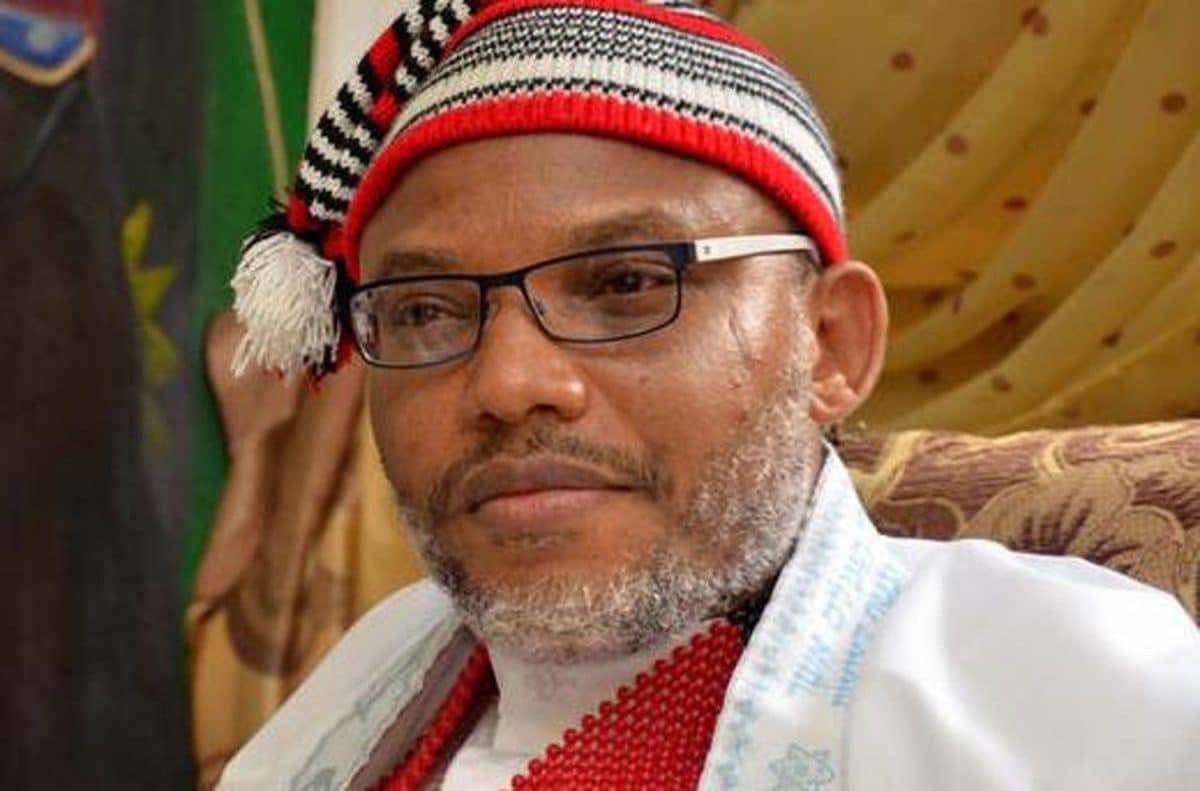
    Nigerian nightlife promoter and socialite, Pascal Okechukwu, popularly known as Cubana Chief Priest, has issued one of the strongest political warnings yet to the administration of President Bola Ahmed Tinubu, declaring that the All Progressives Congress (APC) should “forget about 2027” if the detained leader of the Indigenous People of Biafra (IPOB), Mazi Nnamdi Kanu, is not released.


    His comments came amid renewed tension and emotional reactions across the South-East following the recent court ruling that handed Kanu a life imprisonment sentence — a judgment that has triggered fresh debates about national unity, justice, and rising political discontent in the region.


    Chief Priest’s Message: “You Won’t Get 10,000 Votes in the South-East”


    In a strongly worded statement shared via his social media pages, Cubana Chief Priest emphasized that President Tinubu’s administration has lost significant goodwill in the South-East, insisting that Kanu’s continuous detention is perceived as an act of political hostility.


    “As long as MNK remains in jail,” he wrote, “you cannot and will never get up to 10,000 votes in South-East come 2027. MNK is the supreme leader of South-East. His detention has caused us so much setback. Only MNK’s release can save you.”


    According to him, the political temperature in the region has shifted drastically, with a growing belief that the Federal Government has shown “insensitivity” toward the concerns of millions of Igbo people.


    Chief Priest argued that Kanu’s imprisonment has become more than a legal matter — it has evolved into a regional symbol of exclusion, marginalization, and political alienation.


    Rising Resentment and a Diminishing Political Base


    Cubana Chief Priest claimed that President Tinubu’s popularity in the South-East has sunk to “an all-time low,” stating that the ruling party will face an unprecedented voting challenge in the coming general elections.


    He noted that the South-East electorate has become increasingly frustrated, and many now interpret the government’s stance on Kanu as a reflection of deeper disregard for the region’s concerns.


    “The whole political mood of the South-East has been deeply shaped by this detention,” he stressed. “People are angry, and they are prepared to express that anger through the ballot.”


    Political analysts have long highlighted the APC’s struggle to secure support in the South-East, but Chief Priest insists the situation has reached a critical point — one that cannot be reversed unless the Federal Government makes a decisive move.


    Criticism of South-East Ministers and Political Appointees


    Beyond calling out the president, Cubana Chief Priest directed sharp criticisms at several South-East ministers, advisers, and political appointees, accusing them of failing to convey the region’s true sentiments to the presidency.


    He argued that those currently positioned as intermediaries between the government and the region lack grassroots influence and cannot mobilize real voter support.


    “Most of the so-called advisers you have from the South-East cannot even go back home,” he claimed. “They have no acceptance and no influence. They are cowards who only say what pleases Abuja.”


    He further accused these political actors of presenting a false picture of support for the APC in the South-East, warning that their silence and political calculations will cost the ruling party dearly if not addressed.


    “Reassess Your Advisers” — Call for Political Realignment


    Cubana Chief Priest urged President Tinubu to immediately reassess the individuals advising him on South-East affairs, insisting that the president is being misled by individuals he described as “bags of deceit.”


    He emphasized that genuine political actors with real influence at the community level must be brought into the conversation if the APC hopes to salvage its future in the region.


    The influential socialite specifically mentioned Abia State Governor Alex Otti, praising his grassroots acceptance and urging the presidency to strengthen ties with leaders who “understand the pain of the people.”


    He also addressed Imo State Governor Hope Uzodimma, cautioning that the governor’s political achievements could be overshadowed if he fails to play a meaningful role in securing a resolution to Kanu’s continued imprisonment.


    Political Stakes Ahead of 2027


    The 2027 general election is still two years away, yet political alignments and regional sentiments are already shaping the national conversation. The South-East, historically one of the most politically assertive zones in Nigeria, remains crucial despite often being electorally marginalized by national parties.


    Cubana Chief Priest’s comments reflect a rising wave of regional sentiment that is becoming increasingly difficult for the Tinubu administration to ignore. With Kanu’s life sentence sparking street protests, online campaigns, and rising political commentary, pressure continues to mount on the Federal Government to intervene.


    According to observers, the Federal Government faces a delicate balancing act: upholding the judicial process while addressing the political implications that Kanu’s imprisonment continues to generate.


    “Only Nnamdi Kanu Can Save You” — Final Warning to Tinubu


    Cubana Chief Priest concluded his statement with a clear warning: without releasing Nnamdi Kanu or at least initiating a clear legal and political intervention, the APC should not expect the South-East to offer meaningful support in 2027.


    “Get it right,” he wrote. “Appeal the judgment, do something. The people are watching. The South-East is slipping away from your hands.”


    He argued that only Kanu’s release could restore trust and begin the process of rebuilding political bridges between the presidency and the region.


    Growing Pressure on the Presidency


    As reactions continue to pour in, the presidency has yet to issue a formal response to Cubana Chief Priest’s remarks. However, political analysts note that the statement adds significant weight to the already intense pressure coming from traditional rulers, civil society organizations, and youth groups in the South-East.


    With 2027 drawing nearer, the handling of Nnamdi Kanu’s case may determine not only the APC’s electoral fate in the region but also broader national conversations about justice, inclusion, and unity.


  • Bandit Who Killed Assistant Commissioner of Police Wore His Uniform to Peace Meeting With Katsina Government — Dr. Bashir Kurfi

    Bandit Who Killed Assistant Commissioner of Police Wore His Uniform to Peace Meeting With Katsina Government — Dr. Bashir Kurfi

    A notorious Katsina bandit leader, Abdurraman Jankare, who is accused of killing an Assistant Commissioner of Police (ACP), reportedly attended a recent peace dialogue with government representatives wearing the slain officer’s uniform, according to Dr. Bashir Kurfi, convener of the Katsina Security Community Initiative.


    Dr. Kurfi, who spoke while addressing concerns about the controversial peace engagement, revealed that Jankare not only claimed responsibility for the killing but also openly flaunted the police uniform in areas under his influence. The act, he said, was allegedly celebrated by his followers, further heightening fears among residents and security stakeholders.


    Conditions for Peace: ‘No Policeman Should Attend in Uniform’


    Kurfi explained that when arrangements were being made for the contentious peace dialogue—footage of which later circulated widely on social media—Jankare and his men issued strict conditions before agreeing to participate. Chief among these conditions was their demand that no policeman attending the meeting should appear in uniform.


    The bandits reportedly claimed that the presence of uniformed police officers would provoke hostility and mistrust, insisting that only plain-clothes representatives or government officials should be part of the talks.


    According to Kurfi, the circumstances surrounding the peace meeting became even more unsettling when Jankare and his gang issued strict conditions before agreeing to attend. Chief among their demands was that no police officer be present at the meeting in uniform—a request that raised serious questions about the confidence and audacity with which the armed group operates in the region.


    Kurfi claimed that despite the sensitivity of the situation, the bandit leader showed up at the dialogue wearing or carrying the ACP’s uniform, the same one taken from the officer he allegedly killed. The move, observers say, was a deliberate show of power and a psychological tactic aimed at intimidating both the government team and local community representatives.


    The meeting, which was part of a broader effort to stem the escalating violence in Katsina State, has since sparked widespread debate. Many Nigerians have expressed outrage over what they see as a dangerous precedent: negotiating with heavily armed criminals who continue to operate with impunity.


    Security analysts warn that such engagements, while sometimes necessary to de-escalate conflict, must be approached with caution to avoid emboldening criminal groups. The Katsina State government has been exploring non-kinetic methods to complement military operations in the fight against banditry, but critics argue that dialogues with notorious gang leaders often end up strengthening their leverage.


    Residents of affected communities remain divided. Some believe the talks offer a temporary pause in hostilities, giving room for humanitarian relief and farming activities. Others fear that granting bandits a platform—especially under conditions dictated by them—could undermine state authority and further endanger security personnel.


    The killing of the Assistant Commissioner of Police adds another layer of complexity to the crisis. The slain officer, whose name was not immediately released, was said to have been part of ongoing operations aimed at dismantling camps around Katsina’s troubled areas. His death triggered tension among security operatives and renewed calls for a more decisive approach to the conflict.


    Dr. Kurfi emphasized that the Katsina Security Community Initiative remains committed to exploring community-driven solutions but acknowledged the challenges posed by dealing with unpredictable and heavily armed groups. He urged the government to carefully evaluate the outcomes of such meetings and prioritize the safety of all stakeholders involved.


    As the state continues to battle persistent attacks, kidnappings, and rural displacement, the controversial peace dialogue has intensified the national conversation around how best to handle negotiations with violent non-state actors. For many, the incident underscores the urgent need for a coordinated, multi-layered strategy that balances security operations, community engagement, and accountability for crimes committed.


    Authorities have not yet issued a formal response to Kurfi’s revelations, but pressure is mounting on both state and federal governments to clarify their stance on peace talks with known criminal kingpins—especially one accused of murdering a senior police officer and boldly attending negotiations in the victim’s uniform.


    CLICK HERE TO WATCH THE INTERVIEW


  • Dissolve your exco over gross incompetence, account for all monies collected from FG — CNPP tells Otu, ex-govs

    Dissolve your exco over gross incompetence, account for all monies collected from FG — CNPP tells Otu, ex-govs

    The Conference of Nigeria Political Parties (CNPP), Cross River State chapter, has issued a statement calling on Governor Bassey Otu to immediately dissolve his executive council over what it described as “gross incompetence” and a failure to meet the expectations of the people.


    CNPP also demanded that former governors of the state provide a detailed account of all federal allocations received during their respective administrations.


    The statement, jointly signed by the State Chairman, Patrick Ali, and the State Publicity Secretary, Chris Eyibio, was released on Thursday and circulated to journalists in Calabar. The CNPP insisted that the state government—past and present—must be held accountable for the socio-economic decline of Cross River State, a state it argued has suffered decades of mismanagement, loss of revenue, and policy failures.


    CNPP Says Otu’s Cabinet Has “Failed the People”


    According to the group, Governor Otu’s executive council has demonstrated an alarming level of inefficiency and lack of direction, resulting in widespread dissatisfaction across local communities. They criticized the administration for what they described as slow governance, policy inconsistencies, and a lack of tangible development projects.


    “The current executive council has shown gross incompetence in handling the affairs of Cross River State. We call on Governor Bassey Otu to dissolve his exco without delay and constitute a more competent team capable of driving meaningful development,” the statement read.


    The CNPP claimed that almost two years into the administration, many communities are yet to feel the impact of governance, and critical sectors such as healthcare, education, agriculture, and infrastructure have remained stagnant.


    Calls for Accountability From Former Governors


    Beyond the present administration, the political coalition also turned its attention to the state’s former governors, demanding a comprehensive breakdown of all funds received from the federation account throughout their tenures.


    Cross River State has experienced successive financial challenges, particularly after the Supreme Court judgment that ceded oil-rich Bakassi Peninsula to Cameroon, which subsequently led to Cross River losing its status as an oil-producing state. The CNPP argues that despite these challenges, billions of naira were still allocated to the state over the years—funds which, according to them, must now be accounted for.


    “We demand that every former governor of Cross River State, without exception, should provide a full and transparent account of all monies received from the federation account during their administration. The people deserve to know how these funds were spent, especially given the current struggles facing the state,” the group stated.


    Bakassi Peninsula Judgment Must Be Revisited — CNPP


    In the statement, the CNPP also urged the Federal Government to revisit the International Court of Justice (ICJ) ruling that handed the Bakassi Peninsula to Cameroon—a judgment that significantly altered the economic trajectory of Cross River State.


    According to the group, the loss of Bakassi not only deprived the state of vital oil revenue but also undermined long-term development plans. They maintained that the exclusion of Cross River from Nigeria’s list of oil-producing states has worsened the state’s economic situation, leading to high unemployment, poor infrastructure, and declining public services.


    “The exclusion of Cross River State from the list of oil-producing states has had devastating consequences on our economy. We call on the Federal Government to revisit the Bakassi issue and explore diplomatic and constitutional options to ensure justice for our people,” the CNPP said.


    The coalition insisted that the Bakassi matter remains unresolved, particularly regarding resettlement, compensation, and the economic rights of displaced communities.


    Local Government Chairmen Directed to Publish Achievements


    In a move aimed at strengthening transparency and grassroots accountability, the CNPP also directed all 18 Local Government chairmen in Cross River State to publicly present the list of projects they have executed since assuming office more than a year ago.


    The group noted that many local government administrations have become “epicenters of waste and non-performance,” with citizens unable to identify any meaningful projects despite consistent allocations from the federal purse.


    “Every local government chairman must publish their one-year scorecard, detailing all projects and initiatives carried out. The era of hiding behind excuses is over. People deserve to know how their funds are being used,” the statement added.


    Political Positioning for 2027


    As part of its political recommendations ahead of future elections, the CNPP announced that it has adopted Odukpani Local Government Area for the governorship position in the next political cycle. Though the group did not endorse a specific candidate, it insisted that equity and fairness require that Odukpani be given the opportunity to produce the next governor.


    The CNPP further declared that House of Representatives and Senate seats within the Southern Senatorial District should be “zoned to other local government areas” to ensure equity, rotation, and wider political inclusion.


    In the Northern Senatorial District, the CNPP directed Ogoja Local Government to choose between retaining the Senate seat or producing the deputy governor in the next election cycle. The organization argued that political positions must be shared more evenly to avoid monopolization by a few LGAs.


    A State at a Crossroads


    Cross River State, once known for its tourism, stability, and environmental beauty, has in recent years battled financial constraints, dwindling investments, and growing dissatisfaction among residents. The CNPP’s statement reflects mounting frustration across the state and growing calls for leadership reforms, political restructuring, and improved governance.


    While the Otu-led administration has previously stated that it is laying long-term foundations for economic revival—particularly in tourism, agriculture, and infrastructure—the CNPP believes the pace of development remains too slow to meet the urgency of the moment.


    As of the time of filing this report, the Cross River State Government has not publicly responded to the CNPP’s demands.


  • Delta Federal Lawmaker Frowns on Conviction of Nnamdi Kanu, Calls for Political Solution

    Delta Federal Lawmaker Frowns on Conviction of Nnamdi Kanu, Calls for Political Solution

    A member of the House of Representatives, Hon. Benedict Etanabene, representing Okpe, Sapele, and Uvwie Federal Constituency in Delta State, has criticized the conviction and life sentence handed to Nnamdi Kanu, the leader of the proscribed Indigenous People of Biafra (IPOB). The lawmaker stated that the judgment delivered by the Federal High Court in Abuja does not resolve the long-standing sociopolitical issues at the core of the South-East crisis.

    Etanabene made the statement during a live interview on Arise News Prime Time, anchored by journalist Charles Aniagolu, where he analyzed the ruling and its wider national implications.

    Ejes Gist Media reports that the legislator maintained that the Federal Government should have adopted a political solution, noting that similar approaches were used successfully in managing past security challenges involving Niger Delta militants.

    “Political Approach Better Suited for Nnamdi Kanu Case”

    Speaking during the Arise TV interview, Etanabene argued that the conviction of Kanu overlooks the underlying issues that have fueled separatist sentiments in the South-East for years. He stated that the government previously applied non-military negotiation frameworks in the Niger Delta, which contributed significantly to the de-escalation of militancy and the creation of conditions for peace.

    The lawmaker suggested that rather than intensifying legal and security pressures, an administrative, diplomatic, and dialogue-based approach would have been more effective in addressing the agitation and its root causes. He noted that the lasting success of the Niger Delta amnesty process demonstrated that political grievances are best resolved through inclusion and structured negotiations.

    According to Etanabene, the conviction of Kanu risks deepening mistrust between communities and the central government, adding that political and civic grievances require responses that are broader than courtroom rulings.

    “Judgment Exposes Larger Issues”

    Etanabene told the programme that the court ruling has raised several concerns regarding Nigeria’s approach to internal political disagreements and separatist movements. He questioned the broader context in which such prosecutions take place and argued that the national discussion has often focused on Kanu’s statements rather than the content and implications of the security concerns he highlighted.

    He referenced statements attributed to Kanu in which the IPOB leader allegedly advised communities to protect themselves from armed groups infiltrating Nigerian territories from Cameroon, Chad, and Niger. Etanabene argued that such issues deserve deeper policy investigation and national attention, especially where there are claims of cross-border security threats.

    The lawmaker also stated during the interview that economic exclusion, political marginalization, and regional underdevelopment remain significant drivers of discontent in many regions of Nigeria. He noted that addressing these concerns directly could contribute more meaningfully to lasting peace and national unity than prolonged legal battles.

    Questions Over Uneven Security Approaches

    During the interview, Etanabene highlighted a perceived inconsistency in national security responses, noting that several northern political figures and military officers have publicly held dialogue sessions with armed groups in the North during attempts to curb banditry. He contrasted this with the handling of IPOB and its leadership, expressing concern that different groups appear to receive different levels of engagement and dialogue.

    Analysts observing recent developments have pointed out that successful conflict resolution in different regions of the country has often involved a combination of negotiation, community engagement, and security reforms, rather than exclusive reliance on legal or military measures.

    Advocacy groups monitoring Nigeria’s internal security landscape have frequently recommended broader adoption of political frameworks to reduce reliance on force and legal prosecutions in dealing with domestic armed or separatist movements.

    Focus on Potential Outcomes of the Conviction

    Policy experts monitoring the situation note that the conviction of Kanu could have several implications for Nigeria’s political climate, internal security, and dialogue frameworks. Areas highlighted by analysts include:

    • Growing distrust between citizens and the federal government in affected regions
    • Possible escalation of protests or civil resistance
    • Reduced likelihood of negotiated peace within the short term
    • Strengthening of hardline positions on all sides
    • Increased international attention and monitoring

    Observers also note that the ongoing legal process and subsequent appeals may influence future national strategies in managing high-profile dissident cases.

    Historical Use of Political Settlements in Nigeria

    Nigeria’s political history reflects multiple examples where security crises were reduced through systemic political negotiations. The Niger Delta amnesty programme, which was launched during the President Umar Musa Yar’Adua administration, remains one of the most cited case studies.

    The initiative included:

    • Disarmament
    • Rehabilitation programs
    • Industrial and community development initiatives
    • Conditional reintegration

    Security experts credited the programme with reducing attacks on critical oil infrastructure and restoring relative calm to the region. Etanabene pointed out that the same template could have been adapted to address the South-East situation if the government had prioritized dialogue and reintegration over prosecution.

    Growing National Debate

    The conviction of Nnamdi Kanu has continued to generate debate within political, legal, diplomatic, and civil society circles. Analysts note that many Nigerians are now openly asking whether judicial processes are sufficient to resolve regional grievances rooted in decades-long complaints of political exclusion, inadequate federal presence, and perceived inequities in national resource distribution.

    Security analysts also stress that conflicts linked to identity and political self-determination tend to resist solely force-based solutions. They argue that countries with similar historical tensions have often resorted to multi-dimensional frameworks including power-sharing reform, autonomy debates, legislative responses, and peacebuilding initiatives.


    Background

    Nnamdi Kanu, leader of IPOB, has faced legal challenges since the group was proscribed under Nigerian law. The Federal High Court in Abuja recently convicted him on terrorism-related charges, leading to a life sentence. Security agencies allege that IPOB has been linked to attacks and armed activities in parts of the South-East, allegations which the group has repeatedly denied.

  • US Panel on Christian Genocide in Nigeria Condemns Conviction of Nnamdi Kanu, May Sanction Justice Omotosho

    US Panel on Christian Genocide in Nigeria Condemns Conviction of Nnamdi Kanu, May Sanction Justice Omotosho

    A United States Congressional panel sitting in Washington, D.C., at a public hearing on alleged Christian persecution and genocide in Nigeria has strongly condemned the conviction and life sentence handed to Nnamdi Kanu, leader of the proscribed Indigenous People of Biafra (IPOB). Members of the panel described the ruling of the Federal High Court in Abuja as a travesty of justice and an assault on international human rights norms.

    The panel, made up of lawmakers, policy analysts, and human rights advocates, reviewed recent developments in Nigeria’s internal security and the judicial handling of separatist-related cases.

    Ejes Gist News reports that multiple speakers at the session expressed concern that the conviction of Kanu and the severity of the sentencing could further escalate tensions and deepen grievances among communities in Nigeria’s South-East.

    Panel Describes Ruling as “Judicial Overreach”

    During the hearing, several contributors questioned the legal basis applied in the trial that led to Kanu’s conviction on terrorism charges. They argued that the proceedings appeared to fall short of globally recognized standards of due process, transparency, and judicial independence.

    Some panel members criticized the judgment delivered by Justice James Omotosho of the Federal High Court, asserting that the decision could undermine public trust in Nigeria’s justice system. They further stated that a case of this nature required a higher level of judicial integrity and procedural clarity, given its implications for national peace, minority rights, and international relations.

    According to briefings presented at the hearing, U.S. congressional members and advocacy groups believe that the ruling may not align with Nigeria’s constitutional standards or international frameworks on fair trial rights. Several participants stressed that the perception of selective or politically influenced judicial processes could intensify domestic unrest and increase international scrutiny of Nigeria’s democracy.

    Threat of Possible Sanctions Against Justice Omotosho

    A notable development from the hearing was the suggestion that targeted sanctions could be considered against Justice Omotosho and other judicial actors involved in the case. Panel members hinted that sanctions may be applied under international legal frameworks that allow punitive measures against public officials engaged in human rights violations, suppression of civil liberties, or political persecution.

    Analysts who addressed the committee argued that such measures would not target Nigeria as a state but individuals found responsible for judicial or administrative actions deemed inconsistent with internationally accepted norms. They noted that Congress has previously applied similar sanctions in other geopolitical contexts, especially where judicial rulings were believed to contribute to political repression or systemic violations of minority rights.

    Focus on Christian Persecution and Minority Rights

    The hearing was originally convened to examine claims of large-scale killings, violent attacks, and systemic oppression of Christian communities in Nigeria. Witnesses presented data sourced from non-governmental organizations, international monitoring bodies, and faith-based organizations, showing increases in deaths, displacement, and community-level insecurity in various states.

    Within that broader context, the panel linked the conviction of Nnamdi Kanu to what they called a pattern of state responses that disproportionately affect minority groups, ethnic activists, and political dissidents. Contributors argued that the treatment of IPOB and its leader must be evaluated within a broader national and humanitarian lens, rather than as a purely legal or security matter.

    They submitted that justice responses to separatist tensions should focus on reconciliation, peace-building, civic integration, and confidence-building, rather than punitive judgments that could inflame political divisions.

    Concern Over Nigeria’s Counter-Terrorism Law

    Policy specialists who briefed the committee highlighted weaknesses in Nigeria’s counter-terrorism legislation, citing concerns about ambiguous language, broad definitions, and the potential for misuse in cases involving activists, journalists, and political dissidents.

    Some human rights monitors told the panel that the conviction of Kanu raises questions about how Nigeria applies anti-terrorism statutes, particularly when dealing with domestic political actors. They warned that if verdicts under such laws are found to lack due process, they could weaken legal legitimacy and erode public confidence in democratic institutions.

    They also emphasized that counter-terrorism trials must meet higher standards of evidence, judicial consistency, and procedural fairness to withstand international scrutiny.

    Calls for Independent Review of the Trial

    Several voices at the session called for an independent assessment of the trial proceedings that led to Kanu’s conviction.

    Recommendations presented to the panel included:

    • A neutral international legal review
    • Increased diplomatic engagement with Abuja
    • Direct monitoring of future court sessions
    • Formal requests for case documentation from the Nigerian judiciary
    • Reporting to U.S. lawmakers on potential rights violations

    Speakers stated that international oversight may be necessary to preserve confidence in Nigeria’s commitment to legal transparency and constitutional protections.

    IPOB’s Global Profile and International Reactions

    The issue has continued to attract international attention, especially among diaspora communities and civil society groups monitoring political developments in Nigeria. Previous reports submitted to global institutions such as the United Nations and the U.S. Commission on International Religious Freedom have referenced alleged rights violations and concerns about political neutrality in handling separatist cases.

    At the Washington hearing, several participants noted that the trial of Kanu has evolved from a domestic dispute into a matter of global concern. They argued that any judgment of this significance must meet the highest standards of judicial credibility to avoid diplomatic fallout between Nigeria and its foreign partners.

    Potential Diplomatic Consequences

    Analysts at the hearing indicated that if sanctions are imposed, they could have wider consequences for Nigeria’s foreign policy engagements, including security cooperation, arms agreements, and diplomatic consultations.

    However, members of the panel also stressed that the United States seeks ongoing cooperation with Nigeria, particularly in counter-terrorism, economic development, and stabilization efforts across West Africa. They added that any decisions taken would be based on documented evidence and formal policy review rather than rhetorical reactions.

    Nigerian Authorities Expected to Respond

    As the development gains attention in diplomatic and legal circles, policy observers expect Nigerian authorities to issue clarifications, respond formally to the claims, or provide additional details on the judicial processes followed in the conviction and sentencing.

    Legal analysts within Nigeria have also indicated that Kanu’s legal team may leverage the U.S. statements in seeking relief from appellate courts or international human rights bodies. Monitoring of the situation is ongoing as advocacy groups continue to document proceedings and policy responses.

    Background

    Nnamdi Kanu was convicted by the Federal High Court in Abuja on terrorism-related offenses after a prolonged legal process involving multiple hearings, appeals, and security challenges. His movement, IPOB, remains proscribed under Nigerian law, and the group has been accused by authorities of involvement in attacks and secessionist violence, allegations the organization has repeatedly denied.


  • ‘Security Zero, Economy Battered, Nigeria Destiny Hanging’ – Angry Bishop Oyedepo Slams Tinubu’s Govt

    ‘Security Zero, Economy Battered, Nigeria Destiny Hanging’ – Angry Bishop Oyedepo Slams Tinubu’s Govt

    The general overseer of Living Faith Church Worldwide, Bishop David Oyedepo has reacted to the nation’s worsening insecurity and economic decline, insisting that what Nigeria needs is divine intervention in the form of a deliverer and not merely another political leader.


    Speaking during a church service, Oyedepo recalled issuing a prophetic warning in 2015 about the direction the country was headed. He said the signs he feared have now become Nigeria’s reality.


    “I warned Nigeria in 2015 that we were heading for crisis and trauma. I saw a nation going down the drain and cried ,” he said.


    The cleric criticised religious figures who align themselves with political interests instead of speaking truthfully to those in power.


    Oyedepo, who stressed that he has no political ties or personal gains that influence his views on national issues, lamented Nigeria’s plight, saying the country is grappling with a collapsed economy, rising insecurity, and a future clouded by uncertainty.


    “There are many prophets of politicians who speak what they want to hear.


    “I don’t benefit anything from the government. Now the economy is battered, security is zero, the destiny of Nigeria is hanging.”

    He also condemned individuals he described as “money distributors,” accusing them of focusing on personal gain while the nation suffers .

    “The money distributors are busy distributing; they’re never tired,” he added.

    Calling for nationwide and global intercession, Oyedepo urged the church to pray earnestly for divine rescue.

    “Church worldwide, pray that God, send us a deliverer for rest.”

    His remarks come amid widespread concerns about insecurity and economic hardship across the country.


  • BREAKING: Federal High Court Sentences Nnamdi Kanu to Life Imprisonment Over Terrorism

    BREAKING: Federal High Court Sentences Nnamdi Kanu to Life Imprisonment Over Terrorism

    Abuja — The Federal High Court in Abuja has sentenced Nnamdi Kanu, leader of the proscribed Indigenous People of Biafra (IPOB), to life imprisonment following his conviction on terrorism-related charges.


    Ejes Gist News Nigeria reports that Justice James Omotosho delivered the judgment, ruling that Kanu’s actions constituted acts of terrorism under Nigerian law. The court held that the prosecution successfully established that Kanu engaged in activities that threatened national security and public order.

    The ruling comes after a prolonged trial in which Kanu faced multiple charges, including terrorism and unlawful possession of firearms. Security sources confirmed that Kanu was present in court when the judgment was read.


    Legal experts suggest that this verdict could have significant implications for the operations of IPOB and similar groups in Nigeria. The court also emphasized that the sentence reflects the judiciary’s commitment to enforcing anti-terrorism laws and safeguarding national stability.


    Kanu’s legal team is expected to appeal the decision, citing procedural concerns and alleged violations of his rights during detention and trial. Meanwhile, security agencies are reviewing measures to prevent potential unrest in areas where IPOB has strong support.

  • BREAKING: FG Demands Death Sentence For Nnamdi Kanu Without Any Option

    BREAKING: FG Demands Death Sentence For Nnamdi Kanu Without Any Option

    The Nigerian government has demanded the imposition of death sentence on Nnamdi Kanu following his conviction on terrorism charges.


    Counsel to the Federal Government, Adegboyega Awomolo, SAN, informed the court that the sections of the law under which Kanu was charged and convicted carried death sentence without any option.


    Addressing the court after the pronouncement, the senior lawyer said the court has no discretion to exercise than to impose maximum punishment on him in line with the dictates of the law.


    Awomolo held that Kanu throughout the trial did not show remorse for the offences he committed against the Federal Republic of Nigeria but chose to be militant, arrogant and unruly in his attitude.


    He also demanded that all properties seized from Kanu be forfeited to the Federal Government.


    The prosecution counsel equally demanded that Kanu be taken to prison where his security will be guaranteed till when the judgment against him would be executed

  • BREAKING: Terrorists Attack Abuja Community, Shoot Police Officer Dead During Gun Battle

    BREAKING: Terrorists Attack Abuja Community, Shoot Police Officer Dead During Gun Battle

    Terrorists Attack Abuja Community, Shoot Police Officer Dead During Gun Battle


    A kidnapping operation launched by a gang of armed men suspected to be bandits in the early hours of Thursday turned bloody in Guto village, a border community in Bwari Area Council of the Federal Capital Territory, Abuja.


    This is as operatives of the FCT Police Command engaged the attackers in a fierce shootout.


    Ejesgist gathered that the incident occurred around 1:10 a.m. when about 30 gunmen stormed the community and attempted to abduct a resident and members of his family.


    A distress call was immediately sent to the police.


    Responding swiftly, operatives from the Bwari Division, backed by personnel of the Inspector-General of Police Special Intervention Squad (SIS), raced to the scene.


    However, on sighting the officers, the assailants reportedly opened fire, sparking a prolonged gun duel, according to the spokesperson of the Command, SP Josephine Adeh, in a statement issued on Thursday.


    She explained during the exchange, police operatives shot dead two members of the criminal gang, forcing the others to retreat into the surrounding bushes and rocky hills.


    police

    She noted that the victory came at a heavy cost: one police officer was fatally hit by gunfire.


    He was rushed to the Bwari General Hospital, where he was confirmed dead.


    The FCT Commissioner of Police, Miller Dantawaye, has deployed additional personnel to the area following the attack and ordered a full-scale investigation to track down the fleeing suspects.


    He said normalcy had been restored in the community.


    Josephine described the fallen officer as one who “paid the supreme price in the line of duty.”


  • Court Convicts IPOB Leader Nnamdi Kanu of Terrorism

    Court Convicts IPOB Leader Nnamdi Kanu of Terrorism

    A Federal High Court sitting in Abuja has convicted the leader of the proscribed Indigenous People of Biafra (IPOB), Nnamdi Kanu, on terrorism charges filed by the Federal Government.


    Ejes Gist News  reports that Justice James Omotosho, while delivering judgment, held that several broadcasts made by Kanu contained threats of violence capable of causing fear and anxiety within the public.

    The court ruled that the prosecution presented sufficient evidence demonstrating that the defendant’s statements encouraged unrest and contributed to public tension in parts of the country.

    Kanu has been in detention facing multiple charges under the Terrorism (Prevention) Amendment Act, following accusations that his statements promoted activities deemed dangerous to national security.


    More details to come

  • Dariye, Jolly, James Ibori Top List of Six Former Governors Jailed for Corruption in Nigeria

    Dariye, Jolly, James Ibori Top List of Six Former Governors Jailed for Corruption in Nigeria

    The prosecution and conviction of several state chief executives have become defining moments in Nigeria’s anti-corruption efforts. The country has witnessed a number of high-profile legal battles targeting political leaders who occupied top positions in government. Among the most notable are Joshua Dariye, Reverend Jolly Nyame, and James Ibori, who top the list of former governors jailed for corruption in Nigeria.


    Their cases mark major milestones in the enforcement of accountability laws and demonstrate how Nigeria’s judicial and anti-graft systems continue to pursue public office holders accused of betraying public trust.


    Ejes Gist News reports that the list of former governors jailed for corruption in Nigeria reflects an evolving trend in which investigative agencies, courts, and public pressure contribute to greater scrutiny of the conduct of elected officials. Their convictions remain reference points for public discourse on transparency, good governance, and responsible leadership in Nigeria.

    Below is a detailed profile of six notable former governors jailed for corruption in Nigeria, their legal challenges, the key allegations that led to their convictions, and the significance of their cases in the country’s anti-corruption history.


    James Ibori – Former Governor of Delta State

    James Onanefe Ibori served as Governor of Delta State for two terms. He later faced extensive corruption allegations involving illegal enrichment, abuse of office, and financial misconduct. His case became one of the most widely discussed criminal matters involving a Nigerian political figure.


    Investigations alleged the misappropriation of substantial public funds through various financial schemes. The case gained even greater attention due to its length, complexity, and international dimensions. His conviction remains one of the major examples referenced when discussing former governors jailed for corruption in Nigeria.


    Ibori’s case has continued to feature in governance studies, legal discussions, and public policy analysis due to the magnitude of the allegations and its impact on public perception of leadership integrity.


    Joshua Chibi Dariye – Former Governor of Plateau State

    Joshua Dariye, former Governor of Plateau State, was another major figure sentenced after a corruption case that involved misappropriation of public funds. His prosecution demonstrated the persistence of anti-graft agencies in pursuing high-ranking officials long after expiry of their constitutional immunity period.

    The allegations centered on the diversion of state funds for unauthorized purposes. The conclusion of the case highlighted how financial crimes committed in office could carry consequences even many years later. Dariye’s sentencing remains a key reference when discussing former governors jailed for corruption in Nigeria and the growing willingness of law enforcement to prosecute political leaders.


    Reverend Jolly Nyame – Former Governor of Taraba State

    Reverend Jolly Nyame led Taraba State for two terms and later faced prosecution over allegations of mismanagement and diversion of public funds. His trial reflected a pattern in which anti-corruption cases involving former governors increasingly relied on documentation, official correspondence, and committee reports to establish evidence.

    His conviction reinforced the principle that political office holders must adhere strictly to financial regulations, procurement laws, and public accountability guidelines. Nyame remains one of the highest-profile former governors jailed for corruption in Nigeria and his case is widely studied in public administration and political governance courses.


    Lucky Igbinedion – Former Governor of Edo State

    Lucky Nosakhare Igbinedion governed Edo State and later faced trial over allegations that included financial irregularities and mismanagement of public revenue. Like other former governors jailed for corruption in Nigeria, his prosecution drew attention to the financial autonomy of state executives and the need for stronger auditing mechanisms.

    The case illustrated the complexity involved in tracing public funds channelled through multiple intermediaries. It also highlighted the challenges faced by regulatory bodies in investigating financial crimes committed using sophisticated bureaucratic structures.

    Igbinedion’s case is often referenced in discussions surrounding plea agreements, prosecutorial negotiations, and how legal systems handle corporate and administrative financial misconduct.


    Orji Uzor Kalu – Former Governor of Abia State

    Orji Uzor Kalu, former Governor of Abia State, faced corruption allegations involving unauthorized financial transactions and diversion of public funds. His trail became a symbol of how legal proceedings can continue many years after officials leave office.

    Kalu’s prosecution played a significant role in reinforcing the legal position that holders of public office remain accountable even after their tenure. His conviction demonstrated that the statute of limitations does not prevent extensive investigations from eventually leading to criminal consequences.

    Although his sentence was later set aside due to procedural issues requiring retrial, his case remains central in discussions about former governors jailed for corruption in Nigeria and the evolving interpretation of criminal procedure within anti-graft litigation.


    James Bala Ngilari – Former Governor of Adamawa State

    James Bala Ngilari served as Governor of Adamawa State and later faced trial over breaches of financial regulations, including procurement-related offences. His case generated public conversation because it focused not only on diversion of funds but also on compliance with due process in contract approval.

    Ngilari was initially sentenced but later secured relief on appeal. Nevertheless, his prosecution contributed to the growing list of former governors jailed for corruption in Nigeria and underscored the importance of institutional compliance, even during emergency spending periods.

    His case also reaffirmed that allegations involving abuse of contracting powers can attract serious legal consequences beyond administrative sanctions.


    Why Former Governors Face Increased Prosecution

    The increasing number of former governors jailed for corruption in Nigeria is linked to several governance factors:

    1. Expanded Investigative Capacity

    Anti-graft institutions have gradually strengthened capacity through:

    • Improved forensic documentation
    • Better record retrieval
    • Inter-agency collaboration
    • Data-tracking technology

    This has allowed them to pursue complex financial crimes that were previously harder to trace.

    2. Increased Public Awareness

    Public demand for transparency has grown significantly, driven by:

    • Rising civic engagement
    • Legislative oversight
    • Press scrutiny
    • Anti-corruption advocacy

    Greater public interest has placed pressure on authorities to pursue cases to conclusion.

    3. Post-Immunity Accountability

    Governors enjoy constitutional immunity while in office, but many investigations remain open and mature after exit from government, leading to eventual prosecution.

    4. Legal Precedent

    Earlier convictions have created judicial standards that strengthen subsequent prosecutions.


    Challenges in Prosecuting Former Governors

    Despite successful convictions, several challenges continue to influence the pace and outcome of corruption cases involving former governors:

    a. Lengthy Legal Processes

    Anti-corruption trials often stretch for years due to:

    • Complex documentation
    • Repeated adjournments
    • Constitutional challenges

    b. Political Interference

    Some defendants leverage political influence, legal networks, or administrative authority to delay proceedings.

    c. Forensic Financial Complexity

    Tracing financial transactions sometimes involves:

    • Multiple corporate layers
    • Offshore accounts
    • Proxy agents

    These complexities require long and resource-intensive investigations.

    d. Legal Appeals

    Successful convictions may be reversed if procedural errors emerge, demonstrating the importance of strict adherence to criminal procedure rules.


    Impact on Nigeria’s Anti-Corruption Landscape

    The conviction of former governors jailed for corruption in Nigeria has produced several institutional effects:

    Strengthened Precedent

    The legal system demonstrated that high-ranking executive office holders can face criminal consequences.

    Greater Financial Accountability

    State officials now operate with heightened awareness that:

    • State funds are trackable
    • Procurement processes are reviewable
    • Years after office, accountability remains enforceable

    Improved Investigative Confidence

    Prosecuting high-profile individuals has built confidence among investigators and prosecutors, who now approach similar cases with greater experience.

    Reinforced Public Confidence

    Successful prosecution reassures citizens that anticorruption initiatives remain active and not merely symbolic.


    Lessons for Serving Public Officials

    The legal history of former governors jailed for corruption in Nigeria provides institutional lessons for current and future leaders:

    1. Office does not eliminate accountability.
      Immunity delays but does not prevent prosecution.
    2. Documentation matters.
      Bureaucratic decisions can be evaluated years later.
    3. Political decisions must follow the law.
      Procurement, contracts, and revenue allocations must align with regulations.
    4. Public trust remains paramount.
      Misuse of public funds affects governance, development, and institutional credibility.

    The Continuing Role of Anti-Graft Institutions

    Nigeria’s anti-corruption effort continues through agencies empowered to:

    • Investigate public sector financial misconduct
    • Recover public assets
    • Enforce administrative and criminal sanctions

    These agencies maintain a growing archive of legal precedents and investigative techniques, providing long-term continuity in accountability enforcement.


    Why the Conversation Remains Relevant

    Even years after sentencing, the stories of former governors jailed for corruption in Nigeria remain central to national conversation because:

    • They define key milestones in democratic accountability
    • They provide case studies in legal, governance, and political science learning
    • They influence future anti-corruption policies
    • They remain reference points when new cases emerge

    Their prosecutions demonstrate that sustained legal pressure can produce significant outcomes, even against some of the most powerful individuals in public office.

  • Mace Theft: Omo-Agege Was Not Arrested – Police

    Mace Theft: Omo-Agege Was Not Arrested – Police

    The controversy surrounding the dramatic removal of the Senate Mace during plenary proceedings returned to public attention following renewed debate over the incident and the role of Senator Ovie Omo-Agege. The Nigeria Police Force has maintained that the Senator was never arrested in connection with the Mace Theft affair, even though officers escorted him at the time for questioning as part of routine investigative procedures.

    The clarification was issued to correct long-standing public assumptions that the former Deputy Senate President was detained after the theft of the legislative symbol inside the Senate chamber during a heated sitting. The matter has since remained an important reference point in debates about parliamentary security, immunity, and accountability.

    Ejes Gist News reports that the attempt to clarify the record came as discussions resurfaced about legislative independence and the statutory duty of law enforcement to act when public property or official instruments of authority are interfered with. Under parliamentary tradition, the mace serves as the legislative authority required for the Senate to conduct proceedings, pass motions, and carry out official business.

    What Is the Mace Theft Controversy About?

    The Mace Theft incident occurred during Senate plenary when unidentified individuals entered the chamber and forcefully removed the mace. The act interrupted live proceedings and triggered immediate security concerns within the National Assembly complex.

    The Senate leadership at the time described the act as an assault on the institution, sparking widespread public condemnation. The situation attracted national attention because of the symbolic and constitutional role of the mace in the legislative process.

    Senator Ovie Omo-Agege, who represented Delta Central Senatorial District when the incident occurred, was present in the chamber at the time. Public speculation quickly linked him to the action due to political tensions surrounding debates that had taken place earlier in the day.

    Why the Police Clarified the Incident

    The Nigeria Police Force stated that Omo-Agege was never arrested but was invited for questioning as part of standard procedure to establish facts and identify perpetrators. The clarification became necessary because many Nigerians believed that the Senator was detained, charged, or held in custody in connection with the Mace Theft incident.

    Law enforcement stressed that:

    • He moved freely after police interactions.
    • He did not spend time in detention.
    • No criminal charges were preferred against him at the time.
    • The purpose of the police interaction was investigative, not punitive.

    The police also explained that briefing senior public office holders is standard practice whenever a national security breach occurs within a federal facility, especially one protected by law enforcement and private security apparatus.

    The Role of the Police in Legislative Security

    The National Assembly environment is recognized under Nigerian law as a sensitive security space because it houses elected legislators, key national institutions, and official records of legislative decisions. As a result, security protocols require police officers and internal sergeants-at-arms to respond immediately if disruptions, violence, or symbolic interferences occur.

    In this case, security agencies were obligated to:

    1. Retrieve the stolen mace.
    2. Secure the legislative chamber.
    3. Ensure proceedings could resume legally under parliamentary rules.
    4. Identify individuals involved in the operation.

    The police stated that their engagement with lawmakers, witnesses, and legislative security personnel was in accordance with statutory duties.

    How the Mace Was Retrieved

    The mace was later recovered at a location outside the National Assembly complex. Officers secured it and returned it to the Senate. The chamber was able to resume legislative duties after re-establishing quorum and reinstalling the official symbol.

    This retrieval was important because:

    • Without the mace, proceedings could not be considered legitimate.
    • The Senate required the symbol to pass motions or resolutions.
    • Restoring legislative authority prevented a constitutional crisis.

    The incident drew attention to the vulnerability of legislative instruments and prompted conversations about strengthening internal security measures.

    Why the Incident Remains Politically Significant

    Mace Theft continues to be referenced in Nigerian political discussions for several reasons:

    • It occurred within the Senate chamber during an active sitting.
    • It demonstrated how political tensions can escalate into institutional disruption.
    • It raised questions about the security integrity of the National Assembly.
    • It involved a sitting Senator, which generated public interest and scrutiny.
    • It became a symbol of confrontation between factions within the legislature.

    The controversy also contributed to long-lasting debates about:

    • Parliamentary immunity
    • Separation of powers
    • Political accountability
    • Security reforms within national institutions

    Omo-Agege’s Political Career After the Incident

    Despite widespread speculation following the incident, Omo-Agege continued his political career without legal consequences arising from the Mace Theft episode. He went on to become Deputy Senate President in a subsequent legislative session and later contested in governorship elections in Delta State.

    His ability to continue functioning at the highest level of national politics demonstrated the absence of legal restrictions or outstanding criminal liabilities relating to the incident. The police clarification further reinforced this position.

    Legislative Protocol on Loss of Mace

    Under parliamentary convention:

    • No sitting can proceed without the mace.
    • If the mace is removed or stolen, proceedings must be suspended until replaced.
    • A replica mace can be used if the official mace cannot be recovered within a short time.
    • Sergeant-at-arms remains responsible for protecting the mace and chamber.

    Following the incident, the Senate supported enhanced enforcement protocols to prevent recurrence, including:

    • More secured entry systems.
    • Revised chamber access credentials.
    • Additional surveillance measures.
    • Improved coordination between internal security personnel and the police.

    What the Incident Revealed About Parliamentary Security

    Security specialists noted several implications:

    1. Access Control Weaknesses:
      Unauthorized individuals gained entry into the chamber without sufficient restraint.
    2. Internal Intelligence Gaps:
      There was limited capacity to detect coordinated efforts before execution.
    3. Institutional Vulnerability:
      The incident showed that even established national institutions could experience direct symbolic attacks.
    4. Need for Structured Response:
      It emphasized the importance of multi-layered security systems in critical government facilities.

    The police statement reaffirmed that law enforcement works continuously with parliamentary authorities to adjust protocols and protect governance processes.

    Public Misconception Over “Arrest” Explained

    The belief that Omo-Agege was arrested became widespread because:

    • Images circulated of police escorting him from the complex.
    • Media headlines referenced detention without distinguishing between voluntary questioning and formal arrest.
    • The political climate at the time fueled assumptions that punitive actions had been taken.

    However, police procedure follows a clear distinction:

    • Being invited for questioning does not equate to arrest.
    • An arrest requires formal documentation, detention, or restriction of movement.
    • He was never charged, processed, or booked.

    The police confirmed that Omo-Agege fully cooperated during the inquiry and departed without legal restrictions.

    Why the Record Matters

    Clarifying the details of the Mace Theft incident is significant for institutional memory and historical accuracy. Future researchers, journalists, lawmakers, and policy analysts require precise records to evaluate:

    • Legislative stability
    • Executive-legislative relations
    • Electoral accountability
    • Internal security management

    Maintaining accurate public information strengthens transparency, public trust, and democratic governance.

    Broader Lessons for Nigeria’s Democracy

    While the incident has entered political history, it demonstrates important lessons:

    • Symbolic actions can have constitutional consequences.
    • Institutions must develop contingency plans for disruptions.
    • Political disputes should not collapse formal governance processes.
    • Law enforcement must balance investigative duty with respect for legislative autonomy.

    The police clarification contributes to understanding how Nigeria navigated a moment of tension within its federal democratic system.

  • Negotiating With Bandits Is Not a Sign of Failure – Defence Minister Bello Matawalle

    Negotiating With Bandits Is Not a Sign of Failure – Defence Minister Bello Matawalle

    Nigeria continues to confront persistent security challenges across several regions, including widespread banditry, rural attacks, kidnapping, and community displacement. While the country has intensified military operations, air surveillance, and police deployments, internal debate continues over the role of negotiation in de-escalating armed conflict.


    The Minister of Defence of Nigeria and former Governor of Zamfara State, Bello Mohammed Matawalle, has consistently defended the strategy of engaging bandit groups in dialogue, arguing that negotiation is not a sign of state weakness but a necessary tool in complex conflict environments.

    He noted that governments around the world adopt multiple strategies when facing armed non-state actors, and Nigeria must be realistic about the terrain, scale, and humanitarian consequences of prolonged conflict.


    Ejes Gist News reports that the Minister said criticism of negotiation often came from individuals who had not witnessed the scale of hardship rural communities experienced during peak bandit attacks.

    Why Bello Matawalle Supported Engagement With Armed Groups

    Matawalle assumed leadership in Zamfara at a time when banditry had surged, affecting remote villages, markets, highways, and agricultural settlements. Rural residents were being forced out of their communities, schools were closing, and supply chains were disrupted. Many villages relied on local policing and small military deployments, which were insufficient against mobile, heavily armed gangs operating from deep forest areas.


    Pay Attention To: Presidency Reveals Why Tinubu Didn’t Sack Matawalle Despite Allegations of Banditry

    A Search for Immediate Relief

    The Defence Minister explained that the decision to hold discussions was anchored in the urgent need to:

    • Reduce attacks on civilians
    • Allow displaced families to return home
    • Reopen farmlands and sustain food production
    • Stabilize communities
    • Gain intelligence about criminal networks

    Negotiation, according to him, was intended to protect lives while the government restructured long-term security responses.

    Understanding the Escalation

    Banditry in northwestern Nigeria developed from isolated cattle theft into widespread violent enterprise. Armed groups expanded operations into:

    • Kidnapping for ransom
    • Village extortion
    • Highway blockades
    • Illegal mining control
    • Destruction of food reserves and farmlands

    The Defence Minister noted that applying force without tackling intelligence gaps, community influence factors, and geographical limitations would produce short-lived gains.

    Negotiation as a Strategic Tool

    Matawalle argued that conflict management in modern security frameworks is not singular. Nations such as Colombia, the United Kingdom, and South Africa have, at various points, used negotiation to reduce violence before long-term agreements were finalized. The Minister stated that governments often deploy a mix of strategies:

    • Military operations
    • Dialogue and settlement
    • Community-led peace frameworks
    • Economic stabilization
    • Local involvement in surveillance

    He maintained that this global precedent contradicted assumptions that negotiation signifies defeat.

    Why Negotiation Was Not Viewed as Weakness

    Critics often interpreted negotiation as surrender or appeasement. The Defence Minister rejected this, saying the policy focused on results rather than emotion. To him, negotiation should be assessed using measurable factors:

    • Did hostilities decline?
    • Did communities regain mobility?
    • Were farming seasons restored?
    • Were schools reopened?
    • Did government forces gain improved intelligence?

    If the answer to these questions was positive, then negotiation had served a defensive, humanitarian, and strategic purpose.

    Public Debate and Divided Perspectives

    The policy generated wide national attention. Opponents of negotiation argued that the strategy could:

    • Encourage more armed groups to emerge
    • Reward violent behavior
    • Undermine public trust in state authority
    • Reduce the deterrent effect of law enforcement

    From their perspective, only firm military action could send a clear message that violent crime carries severe consequences.

    Supporters countered that many rural areas lacked the conditions necessary to survive prolonged armed conflict. They argued that dialogue could provide temporary stabilization, humanitarian access, and operational space while government security agencies reorganized.

    Preventing Loss of Life

    Matawalle repeatedly emphasized that saving civilian lives was the priority. Many villages had lost harvests, livestock, property, and livelihoods. Families that had lived in their communities for decades were losing generational assets. The Minister stated that the primary responsibility of any government was to preserve lives before ideology, politics, or debate.

    Historical Precedents in Nigeria

    Nigeria has a history of using negotiation in complex internal conflicts.

    Niger Delta Engagement

    When oil installations were under sustained militant attacks, the federal government launched negotiation and later an amnesty program. The strategy significantly reduced pipeline sabotage and increased oil production.

    Community-Level Settlement Frameworks

    Before colonization, traditional rulers in northern Nigeria frequently intervened in community disputes, using dialogue and settlement systems to prevent extended violence. Matawalle drew from this cultural heritage.

    Local Conflict Resolutions

    In several northern states, local peace committees, traditional councils, and religious leaders had previously negotiated limited ceasefires that created temporary calm.

    These examples showed that negotiation was not abnormal within Nigeria’s conflict management structure.

    Economic Pressures Behind the Negotiation Strategy

    Zamfara is a major agricultural region. Banditry disrupted:

    • Crop cultivation
    • Livestock movement
    • Rural produce sales
    • Mining transportation
    • Market operations

    With farms abandoned, food prices increased and household incomes fell. The Defence Minister explained that negotiation helped communities return to planting fields, allowing economic activity to restart even before the full military restructuring process matured.

    Reducing Strain on Security Forces

    Large forest zones made it difficult for security personnel to cover every location. Negotiation created temporary de-escalation zones, enabling federal forces to redeploy, strengthen surveillance, and collect operational intelligence for future strikes.

    Expert Viewpoints Supporting Multi-Track Conflict Responses

    International security analysts often note that internal conflicts rarely end through force alone. Research from peace studies institutions recommends blended responses that include:

    • Dialogue
    • Force projection
    • Socio-economic recovery
    • Local governance strengthening
    • Transitional arrangements

    Examples include:

    • Northern Ireland’s structured peace agreements
    • Colombia’s demobilization and reintegration framework
    • Several United Nations-brokered ceasefire arrangements in Africa

    Supporters argue that Nigeria’s security conditions share similarities with these cases in the sense that local communities face immediate survival threats.

    Challenges With Negotiation

    Matawalle himself acknowledged that negotiation had limitations and risks.

    Fragmented Armed Factions

    Not all groups accepted peace terms. Some operated independently, making universal commitment difficult.

    Enforcement Limitations

    Ensuring compliance was challenging in wide rural territories without consistent government presence. Violations could occur without swift accountability.

    Risk of Manipulation

    Some bandits used negotiation periods to regroup, procure weapons, or expand networks. This raised concerns about verification methods.

    Community Trust Issues

    Some victims demanded justice or legal consequences. They believed that reconciliation without accountability could undermine long-term peace.

    Balancing Negotiation and Force

    Analysts recommended that negotiation should not replace military strength. Instead, it should:

    • Operate in parallel with targeted force
    • Include measurable obligations
    • Use neutral observers, such as traditional leaders
    • Establish clear timelines
    • Integrate community reporting structures
    • Maintain arrest and prosecution for severe crimes

    This prevents negotiations from becoming a shield for continued criminal activity.

    Humanitarian Considerations

    Humanitarian organizations often note that negotiation can temporarily enable:

    • Delivery of medical supplies
    • Food relief distribution
    • Access for vaccination campaigns
    • Population census and identification
    • Child protection programs

    In areas where conflict blocked relief access, even short calm periods supported essential survival.

    National Security Implications

    Nigeria continues to refine its internal security doctrine. Key national questions remain:

    • Should negotiation be formal policy or situational response?
    • How can ceasefires be enforced reliably across remote locations?
    • Can negotiation reduce violence while security forces expand operational reach?
    • What accountability structure ensures that peace agreements do not incentivize future violence?

    These debates shape how Nigeria designs future counter-bandit operations.

    Recommendations From Supporters

    Those who agree with the Defence Minister’s stance propose:

    1. Developing standardized negotiation guidelines.
    2. Involving security agencies, traditional rulers, and civil mediators.
    3. Establishing a monitoring system for ceasefire compliance.
    4. Ensuring that negotiation does not interfere with prosecution of major crimes.
    5. Linking peace agreements to measurable socio-economic benefits.
    6. Transitioning temporary calm into lasting development programs.

    Recommendations From Critics

    Opponents of negotiation prefer intensified operational frameworks, including:

    • Expanded military deployment
    • Forward-operating bases in forest zones
    • Increased air reconnaissance and drone monitoring
    • Upgraded local policing capacity
    • Stronger investigative and intelligence databases
    • Improved justice system efficiency

    They argue that strong deterrence prevents emerging criminal groups from seeking the same benefits.

    Role of Community Leaders

    Traditional rulers, religious institutions, and village leaders played important roles in local peace arrangements. They served as:

    • Mediators
    • Conflict monitors
    • Cultural authorities
    • Intelligence sources
    • Communication channels

    Matawalle integrated them into community-level dialogue sessions, emphasizing that local leadership held significant influence over rural populations.

    Is Negotiation a Permanent Solution?

    Security professionals generally note that negotiation alone cannot resolve long-term conflict. Durable peace requires:

    • Employment opportunities
    • Improved education
    • Stronger rural policing
    • Land and water reforms
    • Effective border and forest surveillance
    • Modern communication infrastructure
    • Improved justice systems
    • Community rehabilitation initiatives

    Negotiation simply manages short-term violence while long-term reforms develop.

    Conclusion

    Bello Mohammed Matawalle, Nigeria’s Minister of Defence and former Governor of Zamfara State, continues to stand by his decision to negotiate with bandit groups. He insists that negotiation is not a sign of weakness but a strategic survival mechanism for communities placed under severe threat. While critics fear that dialogue could embolden other armed elements, supporters view it as a practical choice made under difficult conditions where uninterrupted military confrontation could lead to increased civilian casualties. The national debate remains active as Nigeria seeks a balance between deterrence, stabilization, law enforcement, and conflict transformation.

  • Graduate Management Trainee at Vivo Mobile: Full Details, Roles, Requirements, and How to Apply

    Graduate Management Trainee at Vivo Mobile: Full Details, Roles, Requirements, and How to Apply

    The Graduate Management Trainee at Vivo Mobile programme is a structured early-career pathway designed to identify high-potential graduates and develop them into future leaders within one of the most competitive technology industries. The programme focuses on grooming new graduates who demonstrate strong academic performance, adaptability, and the capacity to contribute to the fast-evolving mobile and consumer-electronics market.

    News Week Nigeria reports that the Graduate Management Trainee at Vivo Mobile programme blends technical training, hands-on departmental rotations, leadership development, and performance reviews to produce well-rounded commercial and operational professionals. The scheme gives successful candidates a structured environment for real-world competency development, exposure to key business units, and clear growth pathways within the organisation.

    What the Graduate Management Trainee at Vivo Mobile Programme Is

    The Graduate Management Trainee at Vivo Mobile programme is a career-development initiative that places participants in multiple regional or departmental assignments during a defined training period. Each rotation is designed to expose trainees to the fundamentals of Vivo’s corporate operations, performance expectations, workplace culture, and product ecosystem.

    The programme offers:

    • Structured onboarding and company induction
    • Job rotations across business units
    • Training workshops and development sessions
    • Mentorship from experienced leaders
    • Performance milestones and measurable KPIs
    • Final deployment into permanent roles upon successful completion

    Trainees get exposure to real business operations from day one, giving them practical experience in an industry where product cycles, market competition, and user expectations move at high speed.

    Why Vivo Mobile Runs the Programme

    The Graduate Management Trainee at Vivo Mobile programme exists to develop internal talent capable of supporting long-term growth in sales, customer service, product management, distribution, and retail execution. Rather than hiring entry-level staff for single roles, Vivo develops trainees who understand the full business value chain.

    This approach helps the company:

    • Build a strong talent bench for present and future needs
    • Ensure that new hires understand the Vivo culture
    • Create managers who are business-ready and globally aligned
    • Improve internal continuity through leadership development

    In fast-moving technology markets, talent with both technical understanding and commercial insight offers a competitive advantage.

    Duration and Structure of the Programme

    The duration of the Graduate Management Trainee at Vivo Mobile programme typically ranges from several months to nearly two years depending on the country and cohort. The standard structure often includes:

    Orientation Phase

    New trainees begin with induction sessions that introduce:

    • Corporate mission and vision
    • Business systems and reporting standards
    • Workplace values
    • Product portfolio and retail value chain

    This stage ensures that each participant understands the company’s commercial structure before rotating through departments.

    Rotational Phase

    Trainees are then assigned to several short-term placements across departments. Rotations may include:

    • Sales and retail distribution
    • Digital and brand marketing
    • Product planning and management
    • Supply chain and logistics
    • After-sales service and support
    • Retail partnerships and market development

    The rotational model gives participants broad visibility into how departments interconnect to drive business performance.

    Technical and Competency Training

    Structured training modules allow participants to build capabilities in areas such as:

    • Mobile product technology
    • Market analytics
    • Negotiation and sales principles
    • Cross-functional collaboration
    • Customer-relationship management
    • Communication and reporting standards

    Training sessions use case studies, product breakdowns, real data, and supervised project assignments to build applied skills.

    Capstone or Business Project

    Before completing the programme, each trainee delivers a strategic project addressing a real business need. These projects often involve:

    • Market penetration analysis
    • Retail expansion proposals
    • Efficiency improvements
    • Customer experience enhancement
    • Distribution cost optimization

    Findings are typically presented to senior managers for evaluation.

    Final Placement

    Upon successful completion of performance reviews, trainees are deployed into full-time positions suited to their strengths and departmental needs.

    What Roles Graduates May Transition Into

    Successful participants in the Graduate Management Trainee at Vivo Mobile programme can be placed in any of several career tracks depending on performance. Common roles include:

    • Sales Executive
    • Area Sales Manager
    • Product Analyst
    • Market Development Officer
    • Technical Support Lead
    • Retail Operations Coordinator
    • Logistics and Supply Planning Officer
    • Customer Service Supervisor

    Career growth thereafter depends on capability development, business contribution, and willingness to take on responsibility.

    Core Skills Assessed During Selection

    Candidates applying for the Graduate Management Trainee at Vivo Mobile are evaluated on both academic strength and employability skills. The core competencies assessed include:

    Analytical Ability

    Vivo operates in a competitive market, and successful trainees must demonstrate the capacity to interpret sales reports, market trends, and product feedback.

    Communication Skills

    Trainees engage with cross-functional teams, retail outlets, distributors, and management. Clear written and verbal communication is essential.

    Commercial Awareness

    Understanding the dynamics of the smartphone market, consumer behaviour, retail pricing, supply chain pressure points, and brand positioning is important for progression.

    Learning Agility

    The business environment changes quickly, so the programme seeks individuals who can absorb new information, adapt, and execute tasks with minimal supervision.

    Teamwork and Collaboration

    Because trainees work across multiple departments, collaboration is a central part of success.

    Who Is Eligible to Apply

    The Graduate Management Trainee at Vivo Mobile programme is designed for early-career graduates with little or moderate post-graduate work experience. While requirements vary by location, ideal candidates often have:

    • A recent university degree in any of the following or similar fields:
      • Business Administration
      • Marketing
      • Engineering
      • Computer Science
      • Economics
      • Supply Chain or Logistics
      • Information Technology
    • A strong academic record
    • Internship or leadership experience at university
    • Strong communication and presentation skills
    • Proficiency in MS Office tools
    • Interest in the consumer-electronics or smartphone market

    Some roles require mobility for placements or fieldwork.

    What Trainees Should Expect During the Programme

    The Graduate Management Trainee at Vivo Mobile offers real workplace responsibility. Participants can expect:

    Measurable KPIs

    Each rotation comes with performance indicators, such as:

    • Sell-in or sell-through targets
    • Retail performance spreadsheets
    • Customer service turnaround benchmarks
    • Supply efficiency targets
    • Reporting accuracy standards

    Real Projects and Market Exposure

    Trainees may:

    • Visit distributor outlets
    • Track sales performance
    • Support retail field teams
    • Assist in monitoring competitor activities
    • Participate in product launches
    • Evaluate operational opportunities

    Mentorship

    Senior managers or supervisors guide trainees, evaluate performance, and provide structured feedback.

    How Trainees Are Evaluated

    Throughout the programme, trainees are assessed using:

    • Monthly performance reviews
    • Supervisor feedback reports
    • Skills development rubrics
    • Completion of rotation deliverables
    • Presentation quality and data analysis accuracy

    These evaluations determine final deployment within the organisation.

    How to Apply for the Graduate Management Trainee at Vivo Mobile

    Interested applicants can apply online through the official Vivo careers portal. The steps below describe the standard application procedure:

    Step 1: Visit the Careers Website

    Candidates should begin by visiting:

    https://www.vivoenergy.com/en/careers

    The careers page displays open positions and application categories.

    Step 2: Search for Graduate Management Trainee Openings

    Use the job search feature to filter for:

    • Graduate Management Trainee
    • Entry-level roles
    • Country of residence

    If available, the job listing will show functional details, job level, and application requirements.

    Step 3: Create an Account

    Applicants may need to create an online profile to:

    • Submit application documents
    • Update professional details
    • Track application progress

    Step 4: Upload Required Documents

    Applicants should prepare:

    • A CV formatted with clear achievements
    • A structured cover letter describing suitability
    • Academic transcripts or certificates
    • Professional references if required

    Step 5: Complete Any Screening Tests

    Some openings include:

    • Aptitude tests
    • Analytical reasoning assessments
    • Competency questionnaires

    These help recruiters evaluate workplace readiness.

    Step 6: Attend Interviews if Shortlisted

    Candidates may be invited to:

    • Phone or virtual interviews
    • Panel interviews
    • Assessment centre exercises

    These evaluate skills, communication ability, and workplace potential.

    Step 7: Receive Offer and Begin Onboarding

    Successful applicants receive:

    • Offer documentation
    • Onboarding schedule
    • Placement information
    • Programme expectations

    Tips for a Strong Application

    Applicants can strengthen their chances by:

    • Demonstrating quantifiable achievements in academic or internship settings
    • Showing understanding of the mobile and retail market
    • Preparing STAR-structured examples of leadership, teamwork, and problem-solving
    • Practising aptitude test questions before assessment
    • Submitting error-free documentation

    What Makes the Programme Valuable for Graduates

    The Graduate Management Trainee at Vivo Mobile provides an accelerated start to a long-term career. Graduates gain:

    • Exposure to real corporate systems
    • Hands-on understanding of mobile retail distribution
    • Skills relevant to multiple professional tracks
    • Direct coaching from field professionals
    • Clear performance metrics and measurable growth
    • A higher level of employability after completion

    For individuals aiming to grow within the consumer electronics sector, the programme offers one of the most structured entry paths.


  • Tinubu Sacks Two Newly Appointed Members of NDDC Board, Announces Replacements

    Tinubu Sacks Two Newly Appointed Members of NDDC Board, Announces Replacements

    President Bola Ahmed Tinubu has relieved two recently appointed members of the Niger Delta Development Commission (NDDC) Board of their duties and approved new replacements to take their positions. The decision was communicated through an official statement issued from the Presidency, indicating a restructuring aimed at strengthening the commission’s operations, improving governance standards, and ensuring readiness for ongoing development projects across the Niger Delta region.

    The latest changes affect the top leadership of the intervention agency, less than a full administrative cycle after the board was reconstituted. The move aligns with the Federal Government’s mandate to standardize public sector leadership and ensure the NDDC remains in full compliance with statutory frameworks and development objectives.

    Ejes Gist Media reports that the latest changes reflect an intensification of federal oversight focused on governance accountability, performance delivery, and institutional realignment.


    What Prompted the Changes

    The Presidency noted that the NDDC must maintain strict leadership standards to drive large-scale infrastructure and community development commitments across oil-producing states. The decision to remove the officials was presented as part of a broader governance stabilization measure and not linked to disciplinary infractions or personal conduct issues.

    According to individuals familiar with the decision, the changes were intended to:

    • Reposition the NDDC for faster project implementation
    • Improve administrative harmony within the board
    • Address concerns raised by development partners and stakeholders
    • Strengthen management efficiency
    • Ensure the board aligns with statutory leadership composition requirements

    The Niger Delta remains a central economic region in Nigeria, generating the country’s highest proportion of national revenue through crude oil exploration, onshore production, gas output, and export operations. For this reason, the administration has repeatedly emphasized the need for the NDDC to function consistently, transparently, and without operational disruptions.


    The Officials Removed

    The individuals relieved of their roles were among the board members recently confirmed to serve on the NDDC leadership structure. Their exit follows an ongoing leadership review process across key federal parastatals.

    The Federal Government explained that the removal was approved to ensure adherence to structural balance in board composition. Unlike some previous leadership changes across government establishments, the Presidency did not announce allegations, conflicts, or disputes linked to the dismissed officials.

    A separate government source explained that the decision was part of the administration’s standard performance audit exercise affecting numerous agencies within the federal system.


    New Appointees Announced

    Two new members have been immediately appointed to the commission to fill the positions created by the removal. The new officials are expected to resume duties without delay and integrate into ongoing project and policy directives within the NDDC.

    Their appointment ensures that:

    1. The board remains fully constituted
    2. No leadership vacuum interrupts project execution
    3. Statutory representation is balanced
    4. Administrative continuity is maintained

    Officials from the Ministry of Niger Delta Affairs indicated that the new appointees were selected after reviewing qualifications, regional considerations, and professional experience in development administration.


    Why the NDDC Board Matters

    The NDDC plays a central statutory role in Nigeria’s development ecosystem. Established to accelerate infrastructure development and social improvement in oil-producing states, the commission is responsible for funding and executing thousands of projects across:

    • Road and bridge construction
    • Community water systems
    • Rural electrification
    • Educational support initiatives
    • Healthcare infrastructure
    • Environmental stabilization
    • Economic empowerment programs

    The board acts as the policy leadership of the commission, directing, approving, and supervising projects, budgets, internal reforms, and external collaborations. Therefore, changes at the board level carry direct implications for regional development outcomes.


    Background of Administrative Reforms

    Since taking office, President Bola Ahmed Tinubu has implemented multiple layers of administrative restructuring across federal ministries, parastatals, advisory bodies, agencies, and intervention programmes. These include performance reviews, leadership replacements, audits, directive realignments, and new board appointments.

    The policy direction guiding these changes has emphasized:

    • Enhanced transparency in public office
    • Improved fiscal management of national development funds
    • Reduction of inefficiencies in project implementation
    • Better accountability to legislative oversight bodies
    • Closer monitoring of contracts and regional development outcomes

    The NDDC has been at the forefront of such oversight attention due to its strategic budget size and longstanding visibility in public policy debates.


    Stakeholder Reactions

    Reactions across the Niger Delta have been measured, with public officials, civil society organizations, and community representatives urging the new board members to prioritize impactful project delivery. Some stakeholders called for improved monitoring mechanisms and a system that ensures greater community inclusion in project selection.

    Key stakeholders have emphasized expectations that the new leadership:

    • Strengthen transparency and procurement integrity
    • Align project spending with community needs
    • Accelerate completion of abandoned projects
    • Ensure better collaboration with state governments
    • Provide more consistent reporting to oversight institutions

    These expectations highlight the region’s long-standing demand for more visible development outcomes matching the commission’s budget and statutory responsibilities.


    Operational Challenges Facing the NDDC

    While the NDDC remains a legally recognized development body, it has faced repeated administrative and operational challenges over the years. These include:

    1. Funding Management Issues

    Stakeholders across the Niger Delta have frequently noted discrepancies between approved funding levels and final delivery outcomes. Federal audits have at various times emphasized the need to improve procurement reporting and financial efficiency in the agency.

    2. Slow Project Completion

    Many communities have expressed concern over partially completed projects, ranging from road construction to healthcare centers and rural electrification installations.

    3. Overlapping Development Mandates

    Some development tasks of the NDDC overlap with state and federal efforts, which can occasionally create approval delays, priority conflicts, or budget duplications.

    4. Governance Stability

    Frequent board changes can affect long-term project continuity. This makes strategic leadership stability essential for sustained progress.

    5. High Public Scrutiny

    The central economic importance of the Niger Delta results in increased pressure from community activists, civil society, political actors, and industry stakeholders.


    What the New Board Members Are Expected to Deliver

    Policy analysts expect the new appointees to focus on three priority areas that align with the federal administration’s development objectives:

    A. Faster Project Execution

    Communities and local governments across the Niger Delta continue to demand accelerated visibility of physical infrastructure, including:

    • Drivable rural roads
    • Clean water systems
    • Improved schools
    • Local healthcare facilities
    • Functional bridges and jetty structures

    With annual federal contributions to the commission reaching tens of billions of naira, delivery speed and visible results remain key performance indicators.

    B. Stronger Procurement Oversight

    Stakeholders also expect:

    • More transparent contractor selection
    • Enhanced compliance with procurement regulations
    • Improved cross-government project audits
    • Better cost benchmarking of awarded contracts

    The administration has repeatedly emphasized financial discipline within public institutions.

    C. Community-Centric Development

    Development experts and advocacy organizations are pushing for broader inclusion of local residents in project planning. The major arguments include:

    • Better needs assessments
    • Fewer abandoned projects
    • Improved project ownership
    • Reduced conflict between communities and contractors

    Some civil society groups have also requested that traditional institutions and civil organizations be granted structured advisory input into development planning sessions.


    Legislative Interest in the New Appointments

    The National Assembly has maintained active oversight of the NDDC since its establishment. Members of both chambers have called for stronger enforcement of the commission’s statutory operational requirements and clearer progress documentation on development budgets.

    Legislative committees have also highlighted:

    • The need for performance dashboards
    • Publication of completed and ongoing project lists
    • Quarterly financial reporting
    • Stronger monitoring of field contractors

    The new appointees are expected to maintain regular engagement with the legislature as part of statutory governance obligations.


    Oil-Sector Context and Economic Importance

    The Niger Delta region accounts for:

    • The majority of Nigeria’s crude oil production
    • Significant gas exploration and export revenue
    • Heavy federal budget contributions through the Federation Account

    In this context, development in the region directly relates to improved national stability, better operational conditions for oil companies, reduced environmental conflict, and more predictable regulatory outcomes.

    The Federal Government’s policy direction remains centered on creating a development framework that ensures the region benefits materially from the revenue generated within its communities.


    Implications for Ongoing Projects

    Federal officials disclosed that project monitoring will continue without disruption. Because the new appointees are replacements within an existing structure, they are expected to:

    • Continue existing development contracts
    • Review any delayed or stalled projects
    • Support ongoing financial audits
    • Strengthen supervision of contractors
    • Ensure timely alignment with federal development guidelines

    The administration indicated that the transition would not create operational gaps in NDDC activities.


    The Presidency’s Broader Development Strategy

    The latest adjustment is consistent with a wider federal effort to build:

    • More accountable national institutions
    • Better-managed development agencies
    • Clearer project oversight systems
    • Stronger contract tracking frameworks
    • Measurable improvement in public project outcomes

    Analysts observing federal policy trends note that Tinubu’s administration has undertaken similar board reviews across financial agencies, educational agencies, regulatory commissions, and economic development bodies.


    Outlook

    The Niger Delta remains central to Nigeria’s economic policy landscape. The adjustments at the NDDC signal continued federal attention to improving service delivery, public spending efficiency, and regional development acceleration.

    Federal officials have encouraged the new board members to assume full responsibilities immediately and ensure that development projects continue with minimal interruption.

    With extensive federal and public expectations placed on the commission, the latest appointments are expected to produce clearer performance benchmarks, stronger institutional stability, and improved reporting structures that align with ongoing national development objectives.


    Suggested Internal Links for Your Website

    Below are three relevant internal link suggestions that can be naturally placed within the article:

    • Nigeria Government Restructures Public Agencies to Improve Accountability
    • Niger Delta Development Projects Receive New Oversight Measures
    • Understanding Federal Budget Allocations to National Development Agencies

    These links provide relevance for search optimization and help keep users within your content ecosystem.

  • AFRIMA Opens Diamond Showcase Portal, Calls on Emerging African Artists to Submit Entries

    AFRIMA Opens Diamond Showcase Portal, Calls on Emerging African Artists to Submit Entries

    The All Africa Music Awards (AFRIMA) has opened applications for its Diamond Showcase platform, signaling the start of a continent-wide search for undiscovered music talents ahead of the 9th AFRIMA Awards ceremony scheduled to hold in Lagos, Nigeria, in January 2026.

    Ejes Gist Nigeria reports that the Diamond Showcase is one of AFRIMA’s strategic talent development programmes designed to identify promising singers, rappers, instrumentalists, DJs, and producers across Africa who have not yet gained mainstream exposure. The platform operates as a gateway for rising creatives to present their music to influential industry stakeholders capable of supporting long-term career growth.

    AFRIMA announced the opening of the portal through its Northern Africa Regional Office, which confirmed that the Diamond Showcase will serve as a central part of the build-up to the 9th AFRIMA Awards. The application window is open from November 18 to December 8, 2025, and interested participants are encouraged to apply early through the official link www.afrima.org/Diamond-Showcase or via AFRIMA’s verified Instagram page.

    The Showcase, first introduced as an incubation platform for unsigned musicians, has quickly grown into one of the continent’s most anticipated stages for emerging artists. Its focus is to bridge existing gaps in the African music industry by giving lesser-known talents the opportunity to perform before leading executives, record label scouts, producers, A&R teams, and media establishments.

    A Platform for Creatives Across All Genres

    The Diamond Showcase welcomes entries from all music genres and categories. Eligible participants include:

    • Vocalists (solo or group)
    • Rappers and spoken-word artists
    • Music producers
    • Disk jockeys (DJs)
    • Instrumentalists
    • Cross-genre performers
    • Afro-fusion and experimental creators

    Applicants must submit a 45-second performance video showcasing their vocal or instrumental ability. The AFRIMA Jury — a panel of music experts drawn from different regions of the continent — will review all entries and shortlist the most promising 15 contestants, collectively referred to as “The Diamonds.”

    These selected finalists will be invited to Lagos for a two-day live performance event scheduled for January 6 and 7, 2026, with showcases holding each evening between 7:00 PM and 11:00 PM. The performances will take place in front of a live audience that includes key industry leaders, journalists, event promoters, and music investors.

    AFRIMA describes the Showcase as an opportunity for young creatives to transform their careers through visibility and industry access. Finalists will receive:

    • An all-expense-paid trip to Lagos
    • AFRIMA-branded gifts and materials
    • Mentorship opportunities with award-winning artists and executives
    • Coverage by major media organisations
    • Performance slots during the AFRIMA pre-event activities
    • Direct interaction with professionals who can support future projects

    AFRIMA’s Commitment to Talent Development

    Speaking on the significance of the Showcase, Janatte Haddadi, AFRIMA’s Regional Manager for Northern Africa, said the organisation is committed to creating a structured pathway that connects undiscovered talents with meaningful opportunities. She explained that many young African musicians possess extraordinary talent but remain hidden due to the absence of exposure, funding, or industry networks.

    Haddadi emphasised that AFRIMA intends to find these individuals and bring them into spaces where their music can be appreciated and evaluated by experts who understand their potential. She noted that the Showcase will continue to function as a bridge between raw talent and mainstream recognition.

    According to her, young musicians across Africa frequently face barriers such as lack of access to proper recording studios, absence of mentorship, limited visibility on major media platforms, and difficulty reaching industry powerbrokers. The Diamond Showcase aims to break these limitations by placing emerging artists on a continental stage.

    How the Selection Process Works

    The Diamond Showcase uses a structured talent evaluation system handled by the AFRIMA Jury. This process involves:

    1. Submission Review
      The Jury receives all 45-second video entries submitted through the official portal.
    2. Technical Assessment
      Videos are assessed based on vocal ability, originality, stage presence, rhythmic control, instrumental mastery, production skill (for producers), and creative direction.
    3. Shortlisting Phase
      The top 30 entries are shortlisted internally before being narrowed down to 15 finalists.
    4. Final Approval
      The final list is approved by AFRIMA’s central governing team.
    5. Public Announcement
      The Diamond finalists are unveiled through AFRIMA’s official media channels.
    6. Live Showcase
      Finalists travel to Lagos for their live performances, mentorship sessions, and industry meetings.

    The Jury, consisting of music experts from East, West, North, Southern, and Central Africa, ensures that the selection maintains continental representation and reflects Africa’s musical diversity.

    A Launchpad for the Next Generation

    The Diamond Showcase has played a defining role in the careers of several African talents since its introduction. Many alumni have gone on to secure:

    • Recording contracts
    • Music distribution deals
    • International collaborations
    • Invitations to perform at major festivals
    • Media interviews across TV, radio, and online platforms
    • Professional management and A&R support

    AFRIMA believes the 2025/2026 edition of the Showcase will produce several new faces capable of shaping Africa’s future sound. The platform has become a symbol of hope for musicians who work outside the mainstream pipeline but possess the ambition and creativity required to build global careers.

    Event Schedule and Pre-Awards Activities

    The Diamond Showcase is one of several events lined up for the 9th All Africa Music Awards, which will hold in Lagos, Nigeria, from January 7 to 11, 2026. AFRIMA has unveiled a comprehensive schedule that includes:

    • Africa Music Business Summit (AMBS)
    • Diamond Showcase (January 6–7)
    • Music Village Concert
    • Nominees’ Party
    • Red Carpet Ceremony
    • Grand Awards Night

    These programmes are designed to celebrate Africa’s cultural achievements, promote industry dialogue, and strengthen collaboration among artists, music entrepreneurs, investors, and policymakers.

    AFRIMA, African Union & Lagos State Partnership

    AFRIMA continues to partner with the African Union and the Lagos State Government, the official host city for the 9th edition. The collaboration aligns with the African Union’s cultural objectives to promote African music as a global export and strengthen creative economies across member states.

    Lagos State, known for its vibrant entertainment ecosystem, will again host thousands of artists, delegates, and visitors during the Awards Week. The Awards Night and related events will be broadcast to audiences in over 84 countries, ensuring global visibility for African music.

    Growing Interest from Young Creatives

    AFRIMA’s talent development agenda has continued to attract interest from schools, youth organisations, community groups, and emerging creators across Africa. The Diamond Showcase has become particularly popular among independent artists who rely on digital platforms, home studios, or community talent hubs to develop their craft.

    Several music trainers and cultural organisations across North, East, West, and Southern Africa have encouraged their members to participate, calling the Showcase an accessible and credible platform for breakthrough exposure.

    Industry observers note that Africa currently has the fastest-growing youth population in the world, with millions of young people exploring music as a career. Platforms like the Diamond Showcase offer structured pathways for these talents to transition from obscurity into formal music spaces.

    Application Instructions for Interested Artists

    AFRIMA has provided clear guidelines to ensure a smooth application process:

    Eligibility Requirements

    • Must be an African artist (solo or group).
    • Can be unsigned or signed to an independent label.
    • Must have an original performance for submission.
    • Must have a valid means of identification.

    Submission Requirements

    • A 45-second performance video showing a live vocal, instrumental, rap, DJ set, or production sequence.
    • Video must be clear, audible, and unedited.
    • Only one entry per artist is allowed.

    How to Apply

    1. Visit www.afrima.org/Diamond-Showcase
    2. Fill out the application form
    3. Upload the performance video
    4. Submit and wait for the Jury’s evaluation

    What Finalists Can Expect in Lagos

    Artists selected as the final 15 Diamonds will enjoy:

    • Fully funded travel and accommodation
    • Access to AFRIMA mentorship programmes
    • Participation in pre-event rehearsals
    • Professional stage setup for live performances
    • Photography, videography, and media exposure
    • Networking opportunities with key industry professionals
    • Exclusive AFRIMA merchandise and recognition certificates

    These benefits are intended to give finalists practical tools to improve their careers while also positioning them for long-term success.