

Advertisements
Thallium sulphate has entered Nigeria’s political discourse following allegations surrounding its reported procurement by the Office of the National Security Adviser (ONSA). The compound, known chemically as Tl₂SO₄, is widely classified in scientific literature as an extremely toxic substance with a documented history of severe health and environmental risks.
Ejes Gist News reports that former Kaduna State governor, Nasir El-Rufai, formally wrote to National Security Adviser Nuhu Ribadu seeking clarification over claims that approximately 10 kilograms of thallium sulphate were procured from Poland. The letter raises questions about public safety, regulatory oversight, and the purpose of acquiring a substance long restricted in many countries due to its toxicity.
What Is Thallium Sulphate?
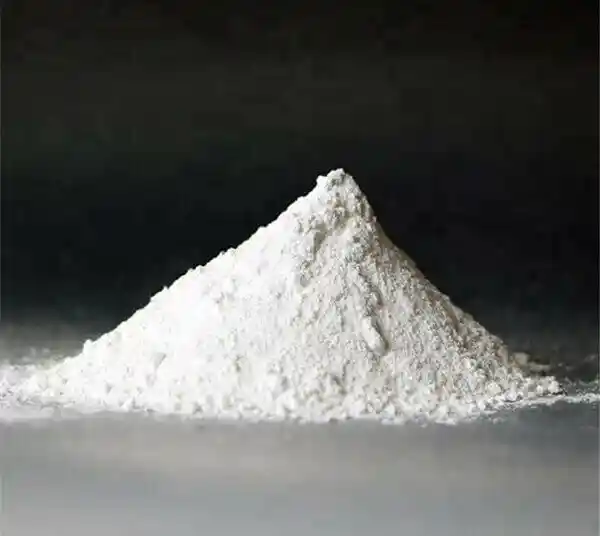
Thallium sulphate is a colourless, odourless crystalline compound that dissolves easily in water. It is chemically stable under ordinary environmental conditions but decomposes when heated, releasing hazardous fumes.
Advertisements
Key scientific characteristics include:
- Chemical formula: Tl₂SO₄
- Physical appearance: White or colourless crystalline powder
- Solubility: Highly soluble in water
- Stability: Stable under normal conditions; decomposes under high heat
Historically, the compound was used as a rodenticide and insecticide because of its high toxicity to mammals and insects. However, global health authorities later identified the substance as posing unacceptable risks to humans and ecosystems.
Advertisements
Also Read: El-Rufai Demands Answers Over Alleged Import of Highly Toxic Chemical by Tinubu’s NSA
Why Is Thallium Sulphate Considered Dangerous?
Medical and toxicological research classifies thallium compounds as cumulative poisons. This means repeated or prolonged exposure can lead to progressively worsening symptoms as the substance builds up in the body.
Documented health risks include:
- Severe gastrointestinal distress
- Peripheral nerve damage
- Hair loss (alopecia)
- Muscle weakness and fatigue
- Convulsions
- Coma and, in extreme cases, death
The compound can enter the body through:
- Ingestion
- Inhalation
- Skin absorption
Even small doses have been reported in scientific case studies to produce significant toxic effects. Because symptoms may initially resemble other illnesses, diagnosis can be delayed, increasing the danger of cumulative exposure.
Global Regulation and Restrictions
Due to its extreme toxicity, many countries have banned or tightly regulated thallium sulphate.
In the United States and several European jurisdictions, thallium salts are no longer approved for use as pesticides. Regulatory agencies typically require:
- Special licensing for handling
- Strict storage controls
- Detailed tracking and reporting
- Disposal under hazardous-waste protocols
International chemical safety frameworks treat thallium compounds as substances requiring heightened oversight because of their potential misuse and public health implications.
The Allegations and Political Context
In his letter to the National Security Adviser, El-Rufai described the alleged procurement of thallium sulphate as raising legitimate questions about public safety and accountability.
He requested clarification on:
- The intended purpose of the chemical
- Storage and containment procedures
- Regulatory approvals obtained
- Oversight coordination with agencies such as the National Agency for Food and Drug Administration and Control (NAFDAC)
- Possible involvement of the Nigeria Centre for Disease Control and Prevention (NCDC)
The former governor framed his inquiry as a matter of public reassurance, citing the compound’s globally recognised toxicity and the need for transparency in matters affecting national security and public health.
At the time of reporting, there has been no publicly released documentation from ONSA confirming the specific purpose or regulatory framework associated with the alleged procurement.
Public Health and Environmental Implications
Experts in toxicology note that improper handling of thallium sulphate can result in environmental contamination. Because it dissolves easily in water, accidental release into soil or water systems could present long-term ecological risks.
Potential environmental impacts include:
- Contamination of groundwater
- Bioaccumulation in food chains
- Risk to wildlife and livestock
Public health specialists emphasise that compounds of this nature require controlled laboratory or industrial environments with trained personnel and protective equipment.
Why Nigerians Are Concerned
Public concern stems primarily from three factors:
- Extreme toxicity: Scientific consensus identifies thallium sulphate as highly dangerous even in small quantities.
- Global restrictions: Many jurisdictions have banned or severely limited its civilian applications.
- Political sensitivity: The issue arises amid existing tensions between prominent political figures.
El-Rufai and Ribadu have had a public political disagreement in recent years, with accusations and denials exchanged over matters unrelated to chemical procurement. Observers note that the broader political climate may amplify scrutiny surrounding the issue.
However, the core public concern remains centred on transparency, safety protocols, and regulatory compliance rather than partisan dynamics.
Regulatory Oversight in Nigeria
In Nigeria, hazardous chemicals typically fall under the regulatory purview of multiple agencies depending on their intended use. These may include:
- National Agency for Food and Drug Administration and Control (NAFDAC)
- Nigeria Customs Service (for importation control)
- Nigeria Centre for Disease Control and Prevention (NCDC), where public health implications arise
- Environmental regulatory bodies overseeing hazardous substances
Standard procedure for importing controlled chemicals usually requires documentation, safety data sheets, and purpose-specific authorisation.
Whether such procedures were followed in this instance remains a central question raised in the public domain.
Scientific and Security Dimensions
It is important to distinguish between established scientific facts about thallium sulphate and the emerging political claims regarding its procurement.
Established facts:
- Thallium sulphate is highly toxic.
- It has been banned or restricted in many countries.
- Exposure can lead to severe health consequences.
Emerging claims:
- Allegations of procurement by ONSA.
- Questions about intended use and oversight.
Until official documentation or statements clarify the matter, the focus remains on transparency and regulatory compliance.
The controversy has therefore elevated a chemical compound rarely discussed outside scientific or regulatory circles into national debate, underscoring the intersection of toxicology, governance, and public accountability.
