

Advertisements
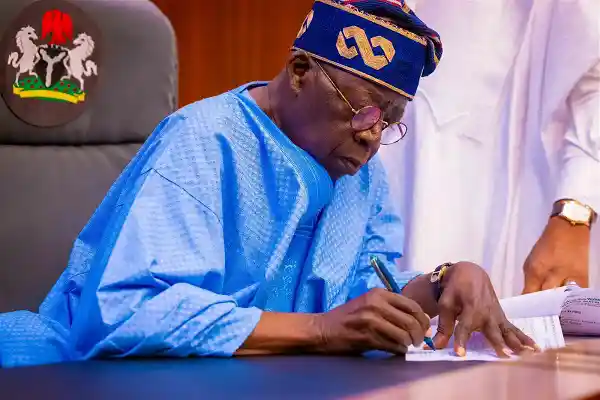
President Bola Ahmed Tinubu has reportedly sacked the Inspector-General of Police, Kayode Egbetokun, following months of controversy surrounding the extension of the police chief’s tenure.
The development comes amid sustained criticism from activist and former presidential candidate Omoyele Sowore, who had repeatedly described Egbetokun’s continued stay in office as illegal after the extension of his tenure.
Ejes Gist News reports that the decision marks a significant shift in the leadership of the Nigeria Police Force (NPF).
Advertisements
What Happened
Sources within security and political circles indicate that President Tinubu approved the removal of Egbetokun and appointed Tunji Disu as the new Inspector-General of Police.
Although official documentation from the Presidency had yet to be publicly circulated at the time of filing this report, multiple accounts confirmed that a transition process was underway within the top hierarchy of the NPF.
Advertisements
Also Read: 2027 Election: ‘I Can’t Be VP to Anybody’ – Bishop Kukah
Background to the Tenure Controversy
Egbetokun was appointed Inspector-General of Police in June 2023. His tenure became a subject of legal and political debate after amendments to the Police Act allowed an IGP to complete a four-year term irrespective of age or years of service.
Critics, including Sowore, argued that the extension contravened established public service retirement provisions. They maintained that Egbetokun’s continued occupancy of the office lacked constitutional backing.
Supporters of the amendment, however, cited legislative backing for the four-year tenure framework introduced to ensure stability within the police leadership structure.
Who Is Tunji Disu?
Tunji Disu is a senior police officer who has served in various operational and administrative capacities within the Nigeria Police Force.
He previously held strategic positions in Lagos and other states, earning recognition for his work in crime control and public safety operations. His appointment signals a potential reconfiguration of leadership priorities within the Force.
Why This Matters
The Inspector-General of Police is the highest-ranking officer in the Nigeria Police Force and plays a central role in:
- National internal security coordination
- Operational command and control
- Implementation of policing reforms
- Oversight of federal and state policing structures
Leadership changes at this level typically influence operational direction, reform implementation, and security policy execution nationwide.
Legal and Institutional Context
Under Nigerian law, the President appoints the Inspector-General of Police, subject to confirmation processes defined in relevant statutes. The Police Act amendment that extended the four-year tenure framework had previously shaped the debate around Egbetokun’s position.
The reported removal may reopen discussions around tenure interpretation, executive discretion, and legislative authority concerning security appointments.
Further official confirmation and documentation are expected to clarify the effective date of the transition and outline the administration’s rationale for the decision.
