
Breaking : Petty Trader Returns ₦330 Million Mistakenly Credited to Her Bank Account

Advertisements
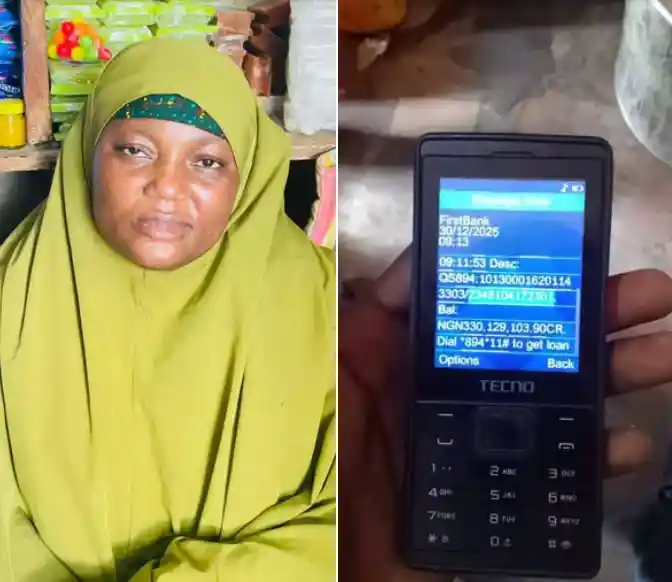
A Nigerian woman, Aisha Isah Yelwa, a petty trader based in Lapai, Niger State, has returned ₦330 million that was mistakenly credited to her bank account, drawing nationwide attention for an act widely described by authorities as exceptional honesty.
The incident occurred after the trader reportedly noticed an unusually large inflow into her account, far beyond the scale of her regular business transactions.
Ejes Gist News reports that Yelwa promptly alerted her bank and initiated steps to reverse the funds rather than attempting to withdraw or transfer any portion of the money.
Advertisements
According to information made available by banking officials and local authorities:
- The sum of ₦330 million was erroneously transferred into Yelwa’s personal bank account.
- The recipient is a small-scale trader with no known financial dealings close to the credited amount.
- Upon discovering the credit alert, she contacted her bank to report the mistake.
- The entire sum was returned intact to the originating account.
Also Read: Police Arrest Pastor Who Prophesied the World Would End on Christmas Day
Advertisements
No deductions or delays were recorded in the reversal process, and there were no indications that the funds were accessed before being returned.
Confirmation by Banking Sources
Bank officials familiar with the matter confirmed that the transaction was reversed after internal verification procedures were completed. Financial institutions are required under Nigerian banking regulations to investigate unusually large transactions, especially when they fall outside a customer’s known financial profile.
Industry sources noted that cooperation from the account holder significantly reduced the time required to resolve the error.
Legal and Regulatory Context
Under Nigerian law, retaining or spending money credited in error may constitute a criminal offence, depending on intent and subsequent actions. Legal experts note that:
- Mistaken credits remain the property of the sender.
- Spending such funds after becoming aware of the error can expose the recipient to prosecution.
- Prompt reporting and reversal, as in this case, removes criminal liability.
Yelwa’s actions aligned with standard banking compliance expectations and legal provisions governing electronic fund transfers.
Reaction From the Community
Residents of Lapai described the trader as well-known in her community for her modest lifestyle and small-scale business activities. Community leaders said the decision to return such a large sum, despite prevailing economic pressures, had resonated strongly with local residents.
Several civil society groups have cited the incident as an example of personal integrity, particularly at a time when cases of electronic fraud and disputed transfers remain common across the country.
Rising Cases of Erroneous Transfers
Financial analysts note that mistaken transfers have increased with the widespread adoption of instant payment platforms. Common causes include:
- Typographical errors during transfers.
- Reuse of saved beneficiaries without verification.
- Confusion between similar account numbers.
Banks continue to advise customers to double-check beneficiary details before confirming transactions, as reversals can become complex when recipients are uncooperative.
While no formal award has been announced, officials within Niger State confirmed that discussions were ongoing regarding possible commendation. Authorities emphasized that the focus remains on reinforcing public awareness that returning wrongly credited funds is both a legal obligation and a civic responsibility.
Why the Case Matters
The return of ₦330 million by a petty trader has reignited public debate on ethics, financial responsibility, and trust within Nigeria’s banking system. Analysts say such cases demonstrate that individual actions can strengthen confidence in digital financial services.
The bank involved has not released the identity of the sender or details of how the error occurred, citing customer confidentiality policies.
Further updates are expected as financial authorities conclude internal reviews related to the transaction.
