
Guinea-Bissau Coup: 10 Things You Should Know as Army Topples President Embaló, Nigeria Condemns Power Seizure

Advertisements
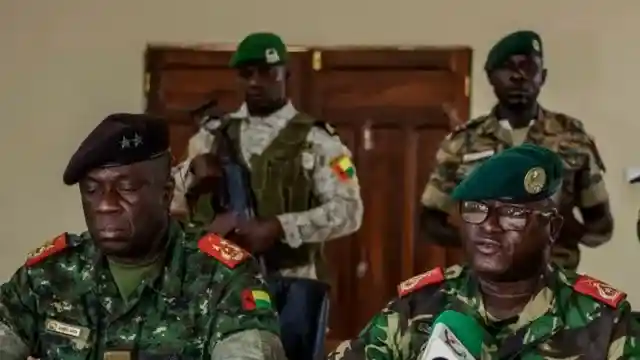
Guinea-Bissau has entered another period of political uncertainty after the country’s army chief of staff led a coup that removed President Umaro Sissoco Embaló from power. Military officers announced that they had taken “total control” of the state and introduced a new governing structure known as the High Military Command for the Restoration of Order.
Ejes Gist News reports that the coup has triggered significant regional concern, especially among West African nations that have already been grappling with a wave of political instability in recent years.
Below are 10 key developments shaping the unfolding situation in Guinea-Bissau and reactions from Nigeria and other regional stakeholders.
Also Read : Dollar to Naira Exchange Rate Today Thursday, November 27, 2025
Advertisements
1. President Umaro Sissoco Embaló Arrested by Soldiers
On 26 November 2025, President Embaló was arrested in what the military described as a necessary action to “stabilise governance” and correct alleged constitutional violations. Soldiers reportedly surround key government facilities before detaining him at an undisclosed location.
His exact whereabouts remain unknown, fueling anxiety within the country and across the ECOWAS region.
2. Army Declares “Total Control” Over the Country
Senior military figures announced that they had assumed full authority, dissolving civilian institutions and suspending parts of the constitution. The declaration was broadcast on national television by officers who claimed the action was necessary to “restore order” after months of political tension.
The military’s new governing body—High Military Command for the Restoration of Order—has taken charge of executive, legislative, and security powers pending further announcements.
Advertisements
3. Communication Restrictions Reported in Parts of Bissau
Residents in Bissau reported difficulties accessing mobile networks and broadcasting stations shortly after the coup announcement. Although total communication shutdown has not been confirmed, citizens noted heavily monitored public spaces and the presence of armed soldiers on major roads.
Local journalists told international monitors that movement around government quarters had been restricted, limiting access to real-time information.
4. Civil Servants and Market Traders React with Fear and Uncertainty
The takeover has intensified public concerns, with many residents of Bissau choosing to remain indoors. Traders around Bandim Market said they closed their shops early as soldiers patrolled the streets.
Public servants who attempted to report to ministries in the city centre were turned back by soldiers stationed at entrances.
A teacher working in Antula district told reporters:
“We have lived through instability before, but this feels different because everything happened so fast.”
5. Guinea-Bissau’s History of Repeated Military Interventions
This latest coup adds to Guinea-Bissau’s long history of military interference in politics. Since independence in 1974, the country has recorded multiple coups, attempted coups, and political assassinations.
Observers say chronic institutional weaknesses and fractious relationships between the military and political leaders continue to undermine stability.
6. ECOWAS Places Region on High Alert
The Economic Community of West African States (ECOWAS) has expressed strong concern about the sudden takeover. Diplomatic sources say the regional bloc is considering emergency consultations to determine a response in line with its protocol on unconstitutional changes of government.
ECOWAS had previously intervened in Guinea-Bissau during earlier periods of instability, deploying standby forces to restore order.
7. Nigeria Strongly Condemns the Coup
Nigeria, Africa’s most populous nation and a leading regional influence, has rejected the military seizure of power in Guinea-Bissau.
In a statement on Wednesday, Nigerian authorities said the coup violates ECOWAS principles and undermines democratic governance in West Africa.
Nigeria further announced its readiness to work with ECOWAS, the African Union, and other international partners to restore constitutional rule.
Officials also warned that the growing pattern of coups poses a serious threat to regional peace and cross-border security.
8. Diplomatic Missions Issue Security Advisories
Foreign embassies have started issuing advisories to citizens living in or travelling to Guinea-Bissau. Several missions urged residents to avoid large gatherings, stay indoors, and monitor updates from diplomatic channels.
Humanitarian agencies working in rural regions reported temporary suspension of field operations until the security situation becomes clearer.
9. Fears Rise Over Potential Economic Disruptions
Guinea-Bissau’s fragile economy, heavily dependent on cashew exports, may experience disruptions if political uncertainty persists.
Cashew farmers interviewed by international observers say they fear that prolonged instability could affect export logistics and access to buyers, especially ahead of the next farming season.
Urban workers also expressed concern that banks might reduce operations, especially after some branches were seen operating with limited staff due to security fears.
10. International Community Calls for De-escalation
The United Nations, African Union, and several global partners have urged the military to ensure the safety of President Embaló and avoid actions that may escalate tensions.
Human rights groups are pushing for independent access to the president to confirm his wellbeing and prevent the situation from deteriorating.
Daily Life Disrupted as Residents Wait for Clarity
Families across Bissau spent the night of 26 November indoors as uncertainty persisted. Parents living in Bairro Militar reported keeping their children home from school due to military presence around public institutions.
Public transport operators suspended evening services, leaving many commuters stranded earlier in the day.
A young mother from Prabis shared her experience with a local NGO:
“We only want peace. Many of us rely on daily income. When the city shuts down, we suffer immediately.”
For now, residents are watching and waiting, hoping that the political standoff will be resolved without further violence.
