
Former Nigerian Oil Minister Diezani Alison Madueke Faces High-Profile Bribery Trial in London

Advertisements
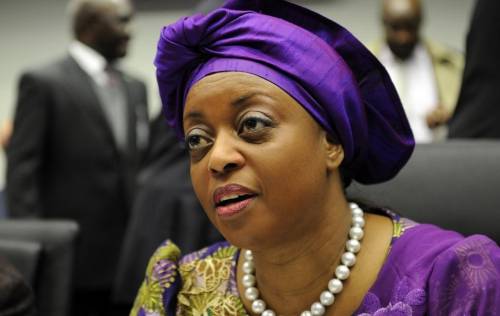
Former Nigerian Petroleum Minister Diezani Alison-Madueke is facing a high-profile bribery trial in London over allegations of receiving luxury goods, high-end property use, and other benefits from industry figures seeking access to Nigeria’s lucrative oil and gas contracts.
Ejes Gist News reports that the 65-year-old served as Nigeria’s minister for petroleum resources between 2010 and 2015 under then-President Goodluck Jonathan and was also briefly president of the Organization of the Petroleum Exporting Countries (OPEC), the first woman to hold either role.
Alison-Madueke has been charged with five counts of accepting bribes and one count of conspiracy to commit bribery, all of which she denies. Prosecutors at Southwark Crown Court in London told jurors that she “enjoyed a life of luxury in London,” staying in high-end properties provided by Nigerian businessmen who sought to influence her in relation to contracts with state-owned oil companies.
Advertisements
Also Read: Nipah Virus Outbreak Fears Trigger Airport Checks Across Asia After India Confirms Two Cases
The allegations include the use of chauffeur-driven cars, private jets, and extensive financial support for household staff, including a housekeeper, nanny, gardener, and window cleaner.
Advertisements
Co-Defendants and Alleged Conspirators
The trial also involves Alison-Madueke’s brother, Doye Agama, and oil executive Olatimbo Ayinde. Agama, 69, faces a charge of conspiracy to commit bribery linked to his church and is participating via video link due to medical reasons. Ayinde, 54, is charged with bribing Alison-Madueke between 2012 and 2014 and also bribing the then-managing director of the Nigerian National Petroleum Corporation (NNPC), Emmanuel Ibe Kachikwu, in 2015. Both defendants deny the charges.
Prosecutors detailed how Alison-Madueke’s lifestyle in London was funded by Nigerian businessmen. Kolawole Aluko, a petroleum and aviation mogul named in the indictment, reportedly spent more than £2 million on luxury goods for Alison-Madueke at Harrods, using company accounts and debit cards. Aluko, previously implicated in the Panama Papers, also purchased a mansion for Alison-Madueke outside London at a cost of £3.25 million, covering refurbishment, staff salaries, and bills.
Presidency Explains Why Tinubu Stumbled and Fell During Turkey Visit
The court heard that Alison-Madueke employed a personal shopper at Harrods, a status typically reserved for clients spending over £10,000 annually, to manage her extensive purchases. The trial also claims her son’s school fees were paid by businessman Benedict Peters, who, like Aluko, is named in the indictment but is not on trial.
Prosecutors’ Case
Alexandra Healy, representing the Crown, told jurors that while there is no evidence Alison-Madueke improperly awarded contracts to undeserving companies, it was unlawful for her to accept benefits from individuals doing business with government-owned entities. She emphasized that corruption in such a form “undermines the proper functioning of the global market” and noted the international significance of prosecuting alleged bribery linked to Nigeria in London.
According to the prosecution, after President Goodluck Jonathan was succeeded by Muhammadu Buhari in 2015, Ayinde allegedly paid a “substantial bribe” to Kachikwu to ensure a friend remained employed at the NNPC. These actions illustrate the persistent influence of personal networks and financial incentives within Nigeria’s oil sector.

Nigeria’s Oil Industry Context
Nigeria is Africa’s largest oil producer, extracting around 1.53 million barrels per day as of December 2025, roughly 1.4% of the global oil supply. Despite this wealth, mismanagement, corruption, and systemic inefficiencies have prevented the broader Nigerian society from fully benefiting from its natural resources. High-profile cases such as Alison-Madueke’s trial highlight the intersection of global finance, energy politics, and governance challenges in resource-rich countries.
International Implications
The London trial underscores the global dimensions of corruption enforcement. Prosecutors argue that it is important to pursue cases in jurisdictions like the United Kingdom when there is evidence of ties to British financial systems, property, or banking. Alison-Madueke’s alleged acceptance of luxury goods and financial benefits abroad exemplifies how local corruption can have international consequences.
Key Allegations Highlighted in Court:
- Acceptance of luxury properties, chauffeur-driven cars, and private jet use.
- Over £2 million spent on Harrods shopping via Kolawole Aluko’s accounts.
- UK mansion purchased and maintained for her benefit by Aluko, including payment of staff salaries.
- Son’s education fees covered by Nigerian businessman Benedict Peters.
- Bribes involving NNPC officials to secure favorable outcomes for business associates.
Legal and Societal Significance
The trial of Diezani Alison-Madueke is among the most high-profile cases involving a former Nigerian energy official. It shines a spotlight on the ongoing global efforts to combat corruption and emphasizes the legal accountability of public officials, both domestically and abroad. The proceedings are also significant in illustrating how luxury perks, financial inducements, and misuse of influence are scrutinized under UK anti-bribery legislation.

This is you sho