

Advertisements
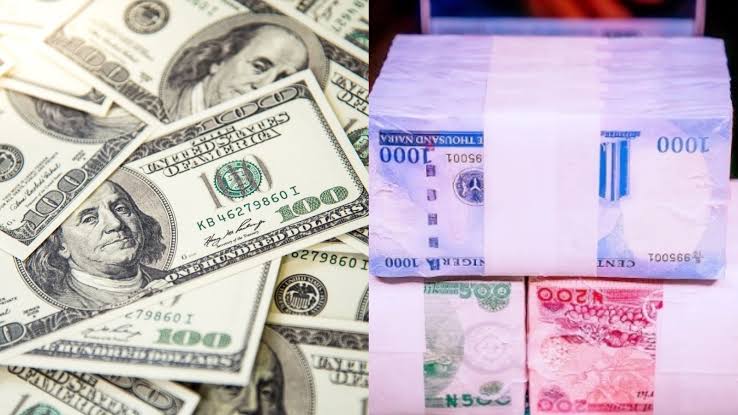
The Nigerian Naira continued to face pressure against the United States Dollar on Saturday, January 3, 2026, reflecting ongoing dynamics in the foreign exchange market.
Ejes Gist News reports that the naira’s performance remains influenced by global currency trends, domestic liquidity conditions, and central bank policies.
Official Exchange Rate
According to mid-market data, the official rate of the naira against the dollar is approximately:
Advertisements
- ₦1,453.77 – ₦1,457.14 per 1 USD
This range represents the interbank or mid-market rate, which is used as a benchmark for transactions between banks and large corporates. The Central Bank of Nigeria (CBN) continues to maintain a relatively stable official rate to guide market expectations.
Alternative Market Rates
Outside the official channels, alternative market rates, including those from currency converters such as Wise, place 1 USD at roughly ₦1,468 NGN. This reflects slightly higher rates observed in the parallel and online trading markets.
Advertisements
Key Observations:
- The naira’s value in commercial banks generally tracks the official rate but may include minor premiums.
- Bureau de Change (BDC) and black-market rates often differ significantly, typically trading at a higher rate for the dollar due to supply-demand imbalances.
- Market analysts note that increased dollar demand from importers and reduced foreign inflows have contributed to ongoing naira volatility.
Factors Influencing the Naira
Several factors are influencing the naira-dollar exchange rate in early 2026:
- Central Bank Policy: The CBN has maintained interventions to stabilize the naira at official windows, including the Investors and Exporters (I&E) forex market.
- Global Dollar Strength: International trends, including US interest rates and global liquidity conditions, impact the naira’s relative value.
- Foreign Trade Dynamics: Nigeria’s import and export balances, particularly in oil revenues, affect the availability of foreign currency.
- Speculative Activity: Increased market speculation in parallel markets contributes to fluctuations beyond official rates.
Market Outlook
Financial analysts suggest that the naira’s trajectory in the coming weeks will depend on sustained foreign inflows and central bank interventions. While the official rate remains relatively stable, pressure in alternative markets may continue to widen the gap between official and parallel exchange rates.
Investors and businesses are advised to monitor both official and alternative market rates when conducting foreign exchange transactions. The differences between interbank, BDC, and black-market rates can significantly affect the cost of imports, foreign remittances, and investment decisions.
Historical Context
The naira has experienced a fluctuating performance over the last decade, reflecting changes in oil prices, foreign reserves, and domestic policy measures. In recent years, the CBN has introduced multiple policy measures to manage exchange rate pressures, including the establishment of the Investors & Exporters window and foreign exchange restrictions on certain goods.
Key Takeaways
- Official naira-dollar rate: ₦1,453.77 – ₦1,457.14 per 1 USD
- Alternative market rate: ~₦1,468 NGN per 1 USD
- Rates vary between banks, BDCs, and parallel markets
- Central Bank interventions continue to guide market stability
Ejes Gist News will continue to monitor and report on developments in Nigeria’s foreign exchange markets, providing timely updates for investors, businesses, and the general public.
