

Advertisements
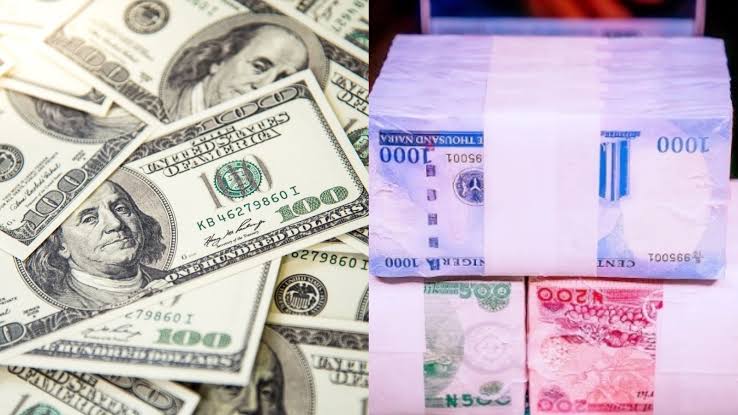
The Dollar to Naira exchange rate today, February 25, 2026, shows continued pressure in Nigeria’s foreign exchange market, with significant price differences between the official and black market segments of the economy.
Ejes Gist News reports that in the official foreign exchange market, the naira is trading at about ₦1,350.54 per US Dollar, based on verified interbank and Nigeria Foreign Exchange Market (NFEM) price data. This official rate is widely used for formal financial transactions and reflects pricing among regulated banks and authorised dealers.
In contrast, currency dealers in the parallel market — commonly called the black market — are quoting the US Dollar at approximately ₦1,425 to ₦1,440 per US Dollar. These figures are drawn from local Bureau De Change operators in major commercial hubs such as Lagos, Abuja and Kano, and represent immediate cash demand conditions outside the official banking window.
Advertisements
Official Market Rate (Regulated Segment)
The official rate is established through centralised trading platforms and used for:
- Commercial imports and exports
- Formal corporate foreign currency needs
- Government trade settlements
- Institutions remitting fees for education and healthcare abroad
This rate is influenced by liquidity levels on the Nigeria Foreign Exchange Market, foreign reserve movements and interventions by the Central Bank of Nigeria (CBN).
Advertisements
Black Market Rate (Parallel FX Segment)
The black market rate operates outside official regulatory frameworks. Factors driving this segment include:
- Immediate cash demand for small-ticket forex purchases
- Limited access to official dollars by retail consumers
- Retail travel and personal remittances
The result is a premium over the official rate, reflecting supply constraints and speculative exposures in the informal FX marketplace.
Drivers of Exchange Rate Divergence
Market analysts attribute the spread between official and parallel rates to several macroeconomic and policy variables:
- Foreign reserves strength influences the CBN’s capacity to defend the naira.
- Oil export earnings, Nigeria’s major source of dollar inflows, affect overall forex availability.
- Monetary policy actions by the CBN, including interest rate adjustments and liquidity provisions, shape investor and dealer sentiment.
- Inflation trends impact the naira’s purchasing power, especially for imported goods and services.
- Diaspora remittances, which have grown in recent months, provide additional forex supply.
Market Impact on the Nigerian Economy
Fluctuations in the Dollar to Naira exchange rate influence:
- Pricing of imported goods and raw materials
- International tuition and medical costs for Nigerians abroad
- Travel and airline ticket prices
- Consumer inflationary pressures
- Corporate foreign currency budgeting and forecasting
Businesses reliant on imported inputs monitor these rates closely for budgeting and operational planning.
Outlook and Market Expectations
Currency traders and economic observers note that the naira’s performance remains sensitive to:
- Oil revenue flows and global price dynamics
- Monetary policy transparency and reforms by the CBN
- External portfolio inflows into Nigerian assets
The ongoing spread between official and parallel rates underscores structural features of the nation’s FX market and the importance of liquidity management across both regulated and informal segments.
Foreign exchange rates remain dynamic and subject to daily fluctuations. Regular updates from the CBN and real-time parallel market tracking platforms provide the most current figures for businesses and individuals engaged in foreign currency transactions.
