
Christian Genocide: U.S. Anchor Reveals Why He Rejected First Lady Remi Tinubu’s Television Interview Request

Advertisements
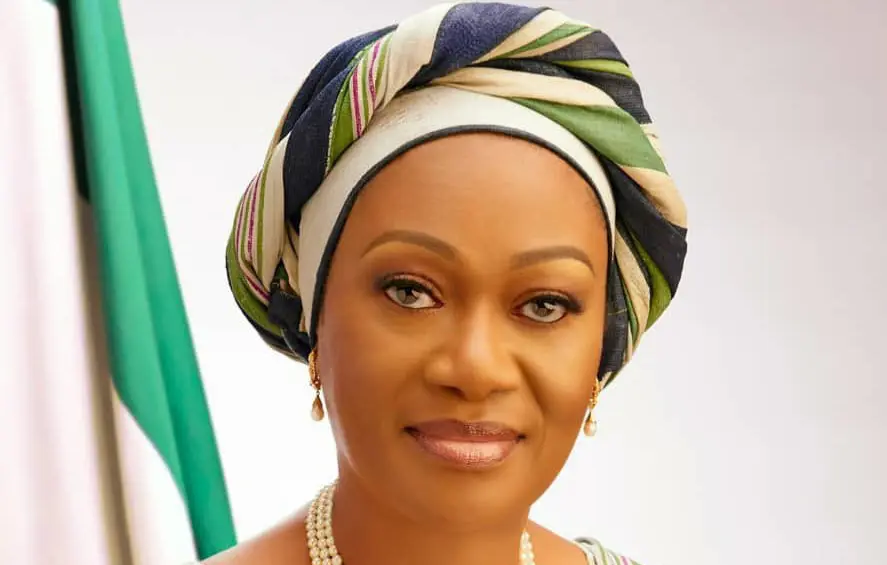
A prominent American broadcaster, Tony Perkins, has disclosed why he declined a request from Nigeria’s First Lady, Senator Oluremi Tinubu, to appear on his television program during her 2026 visit to the United States.
Perkins, president of the Family Research Council and host of the U.S.-based program Washington Watch, said he refused to grant the interview because of concerns over religious violence and human rights conditions in Nigeria.
Ejes Gist News reports that the conservative anchor made the revelation while addressing his audience, explaining that he was unwilling to provide a platform he believed could be used to project a favorable image of the Nigerian government amid ongoing security challenges.
“The First Lady of Nigeria was here this week, and in fact they wanted to come on the program to talk about religious freedom,” Perkins said. “I said I’m not gonna meet with them or have a meeting with anybody. I’m not gonna give them a platform to cover up what they’re doing in Nigeria.”
Advertisements
Details of the 2026 Visit
Senator Remi Tinubu traveled to the United States in 2026 as part of international engagements linked to her role as Nigeria’s First Lady. Her office has promoted initiatives focused on women’s empowerment, social investment, and humanitarian advocacy.
Specific details of her U.S. schedule were not publicly released. Diplomatic sources indicated that the trip included meetings with nonprofit organizations and policy stakeholders.
Neither the Office of the First Lady nor Nigeria’s Ministry of Information has issued a public response to Perkins’ comments or confirmed the circumstances surrounding the interview request.
Advertisements
Allegations of Religious Persecution
Perkins and the Family Research Council have repeatedly criticized what they describe as worsening religious violence in Nigeria. The organization has characterized attacks by extremist groups and armed militias as part of a broader pattern of persecution targeting Christian communities.
Successive Nigerian administrations have rejected claims of systematic persecution, stating that security challenges in the country are complex and affect citizens of different faiths and regions.
The Nigerian government maintains that it is implementing military and policy measures to address terrorism, banditry, and communal clashes.
Role of U.S. Lawmakers
The issue has drawn attention from members of the United States Congress, particularly Representative Chris Smith of New Jersey. Smith has held multiple hearings on violence in Nigeria and has called for stronger international pressure to protect vulnerable communities.
Advocacy groups in the United States have praised Smith’s efforts to keep Nigeria on the agenda of American foreign policy discussions.
No official statement from Smith’s office directly referenced the First Lady’s attempted media engagement.
Media and Diplomatic Implications
International media appearances by senior Nigerian officials have traditionally been used to promote government policies and improve the country’s global image. The refusal by a high-profile U.S. anchor to host the First Lady represents an unusual diplomatic setback.
Analysts say the episode highlights the intense scrutiny Nigeria faces abroad over governance, security, and human rights concerns.
Official Response Awaited
As of publication, Nigerian authorities have not issued an official clarification regarding the matter. Requests for comment sent to the Nigerian Embassy in Washington had not been answered.
The incident continues to generate discussion within policy circles in both Nigeria and the United States, particularly among organizations focused on religious freedom and international human rights.
