
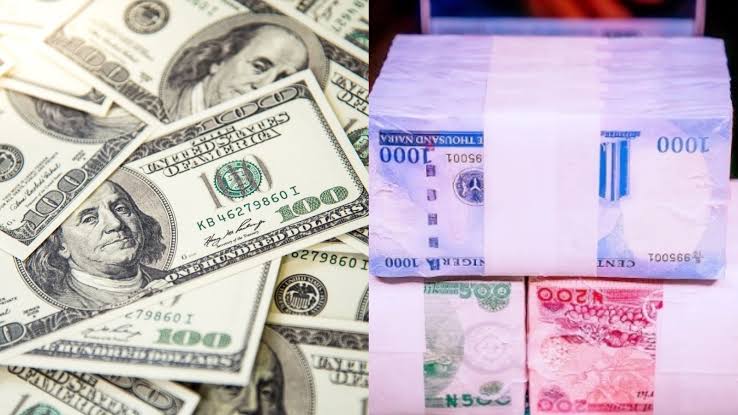
Black Market Dollar to Naira Exchange Rate Today, Monday, February 9, 2026

Advertisements
The black market dollar to naira exchange rate opened trading on Monday, February 9, 2026, with the Nigerian currency maintaining pressure against the United States dollar in the parallel market.
Currency dealers in major trading hubs quoted the naira at an average buying rate of ₦1,455 per dollar, while the selling rate stood at approximately ₦1,465 per dollar. These figures reflect transactions carried out among Bureau De Change operators and informal market traders across Lagos, Abuja, and other commercial centers.
Ejes Gist News reports that the rates represent the prevailing value of the naira in the unofficial foreign exchange market, where demand for dollars continues to outpace supply. The black market operates independently of the Central Bank of Nigeria’s regulated window and often records prices higher than the official exchange rate.
Advertisements
Also Read: 133 Million in Poverty: Presidency Clears Tinubu, Points Finger at Governors
How the Parallel Market Functions
The black market, commonly known as the parallel market, serves individuals and businesses unable to access foreign currency through formal banking channels. Exchange rates in this segment are determined by demand and availability of dollars, rather than official monetary policy.
Advertisements
Traders say fluctuations in the rate are influenced by factors such as import demand, remittance flows, and general confidence in the economy. Prices may also vary slightly from one location to another, depending on local market conditions.
Difference Between Official and Black Market Rates
Nigeria operates multiple exchange rate windows. The official rate is set through the Central Bank of Nigeria and the Investors and Exporters window, while the black market rate emerges from informal transactions.
The gap between the two markets has remained a major concern for businesses and investors, as it affects the cost of imported goods and overall price stability.
Impact on Nigerians
The exchange rate in the parallel market directly affects the cost of travel, school fees paid abroad, medical expenses, and international trade transactions conducted outside the banking system.
A weaker naira in the black market typically leads to higher prices for imported products, contributing to inflationary pressures in the domestic economy.
Caution to Market Participants
Financial experts continue to advise members of the public to exercise caution when engaging in black market transactions due to the risks involved. Exchange rates in the parallel market are not regulated, and prices can change multiple times within a single day.
The Central Bank of Nigeria has repeatedly stated its commitment to stabilizing the foreign exchange market through policy interventions aimed at improving liquidity and narrowing the gap between official and parallel rates.
For Monday, February 9, 2026, the black market dollar to naira exchange rate remains a key indicator of the ongoing challenges in Nigeria’s foreign exchange environment.
