
Black Market Dollar to Naira Exchange Rate Today, Monday, February 16, 2026

Advertisements
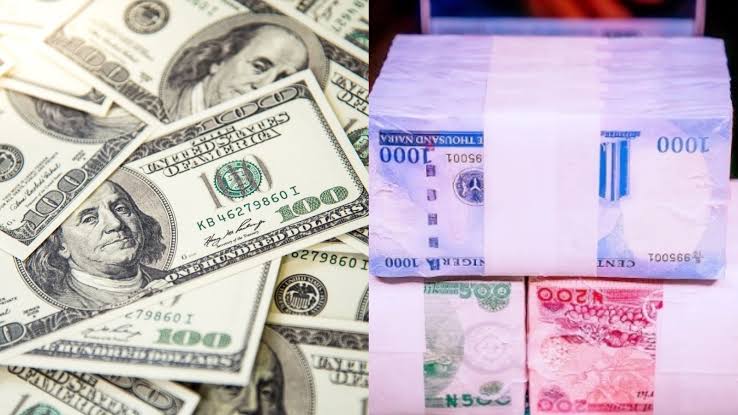
The black market dollar to naira exchange rate remains one of the most closely monitored financial indicators in Nigeria’s foreign exchange landscape. On Monday, February 16, 2026, the naira traded weaker in the parallel market compared to the official window, reflecting sustained demand pressure for the United States dollar across informal channels.
Ejes Gist News reports that bureau de change operators and street currency traders in Lagos, Abuja, Kano and Port Harcourt quoted the dollar at significantly higher levels than the rate available through the formal banking system.
Parallel Market (Aboki) Exchange Rate
Across major currency trading hubs, dealers quoted the dollar within the following range:
Advertisements
- Buying rate: ₦1,430 – ₦1,445 per US dollar
- Selling rate: ₦1,450 – ₦1,470 per US dollar
The spread between buying and selling prices reflects dealer margins, liquidity conditions and transaction volume. Larger transactions often attract slightly negotiated rates, while smaller retail exchanges typically settle at the upper band of the selling price.
Market participants noted that rates shifted multiple times during the trading session, a pattern that has become common amid fluctuating dollar supply.
Advertisements
Official Market Versus Black Market
The official exchange rate, as published through the Nigerian Foreign Exchange Market (NFEM), remains considerably lower than the parallel market rate. The disparity between the two segments highlights ongoing structural imbalances in Nigeria’s foreign exchange system.
Also Read: El-Rufai Demands Answers Over Alleged Import of Highly Toxic Chemical by Tinubu’s NSA
While the official window primarily serves banks, corporations and approved transactions, many individuals and small businesses rely on the parallel market due to:
- Delays in accessing official allocations
- Documentation requirements for FX approval
- Caps on personal travel allowances
- Limited supply of physical dollar liquidity
Currency analysts state that this demand migration sustains premium pricing in the black market.
Factors Driving Dollar Demand
Economic observers identify several macroeconomic drivers influencing the black market dollar to naira exchange rate:
- Import dependency: Nigeria remains reliant on imported goods, raw materials and refined petroleum products, increasing dollar demand.
- External obligations: Tuition payments, medical tourism and foreign service subscriptions contribute to retail FX demand.
- Inflationary environment: Persistent inflation encourages some individuals to hedge savings in foreign currency.
- Monetary policy stance: Policy adjustments by the Central Bank of Nigeria, including liquidity tightening or FX reforms, affect supply dynamics.
- Oil revenue volatility: As crude oil earnings account for the majority of Nigeria’s FX inflows, fluctuations in production and global prices directly influence dollar availability.
Exchange Rate Volatility and Market Sentiment
Foreign exchange traders describe the current environment as liquidity-sensitive. Small changes in supply or speculation can trigger sharp price adjustments within hours. Market sentiment also plays a role, as expectations of policy changes or fiscal interventions often influence trader positioning.
The gap between official and parallel rates continues to serve as a barometer of confidence in FX management frameworks. Economists argue that narrowing the spread requires sustained inflows, improved export diversification and greater transparency in allocation mechanisms.
Implications for Businesses and Consumers
The black market dollar to naira exchange rate has immediate implications for pricing across multiple sectors:
- Imported food and consumer goods
- Electronics and machinery
- Aviation and international logistics
- Pharmaceutical supplies
Businesses that source foreign inputs typically adjust retail prices in response to parallel market fluctuations, especially when official allocations are insufficient or delayed.
For households, the weaker naira in the black market translates into higher costs for foreign-denominated obligations, including education and travel expenses.
Market Monitoring
Currency dealers indicate that rates remain fluid and subject to rapid change based on supply conditions and transaction volumes. Actual exchange values may vary slightly by location and negotiation strength.
The black market dollar to naira exchange rate continues to reflect broader structural pressures within Nigeria’s foreign exchange ecosystem, underscoring the importance of sustained reforms aimed at stabilising supply and restoring market equilibrium.
