2027: APC Governors Push to Restrict Tinubu’s Campaign Appearances
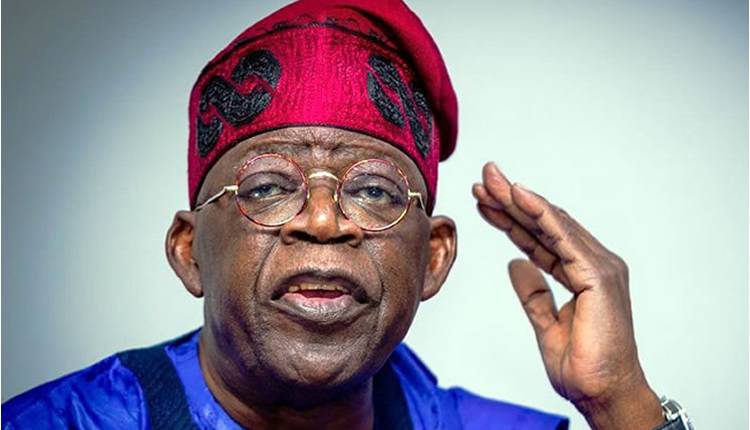
Governors elected on the platform of the All Progressives Congress are reportedly preparing to press President Bola Tinubu to endorse a campaign blueprint that would sharply limit his public appearances ahead of the 2027 presidential election.
Daily Sun reported that the governors intend to meet the President this week to seek his approval for a strategy that places governors and other party leaders at the forefront of nationwide mobilisation while reducing his exposure on the campaign trail. The claim has surfaced amid alleged health concerns about the President, and it follows his conspicuous absence from the APC mega rally held in Nasarawa State on Saturday.
Also Read : CFR Scholar Raises Red Flag Over Tinubu’s Health, Reveals US Concerns
Under the proposed template, governors and party leaders would lead rallies, grassroots mobilisation and other public-facing activities, while Tinubu would appear only selectively at politically strategic events.
The proposal reflects concerns about the President’s standing in parts of the North, the South-South and the South-East, as well as the risks of repeated appearances before large crowds.
Governors behind the idea believe a controlled deployment would shield Tinubu from the physical demands and potential controversies of the campaign while allowing them to use their local structures to strengthen the party nationwide.
Party sources cited by Daily Sun said the governors would use the meeting to formally present the new template and seek his endorsement for an arrangement that would substantially reduce his exposure to the day-to-day demands of the campaign trail.
Under the proposal, the governors would lead mobilisation across the country, with Imo State Governor and Chairman of the Progressive Governors’ Forum, Hope Uzodimma, expected to play a coordinating role. The organisational structure the President has already established would, however, continue to operate alongside the APC’s National Working Committee.
Sources stressed that the plan does not envisage taking Tinubu out of the campaign completely.
“He may still be brought in on limited occasions when circumstances demand his presence. The principal expectation, however, is that he would remain largely insulated from the day-to-day campaign activities.
“The one event in which his participation is considered most likely is the grand finale of the campaign, at which he would deliver a major address and appear before the party faithful,” a high-profile source familiar with the discussions said.
Concerns over political risk
According to the sources, the governors are particularly worried about what they perceive as declining support for the President in sections of the North, the South-South and the South-East, while believing that his political base remains comparatively stronger in the South-West.
Against that backdrop, some governors are said to have concluded that repeatedly putting the President before large campaign crowds may carry more political risks than benefits. They are also said to be mindful of the controversies that followed some of Tinubu’s public appearances during the 2023 presidential campaign, when verbal slips and other incidents became subjects of opposition attacks and social media commentary.
The governors, according to the sources, believe a recurrence during the 2027 campaign could give the opposition ammunition and distract attention from the message the ruling party intends to take to the electorate.
They are consequently pushing for what one source described as a “controlled deployment” of the President, with governors, ministers, party leaders and other campaign officials carrying much of the burden of rallies and grassroots mobilisation.
The meeting with Tinubu is expected to determine the precise division of responsibilities and secure his approval for the proposed arrangement.
For the governors, the sources said, the calculation is straightforward: deploy the President where his presence would deliver maximum political value while shielding him from appearances they believe could expose the campaign to avoidable risks.
You May Also Like

Trending Now