
37 Constitutional Bills – State Police, Independent Candidacy, Electoral Offences (Full List)
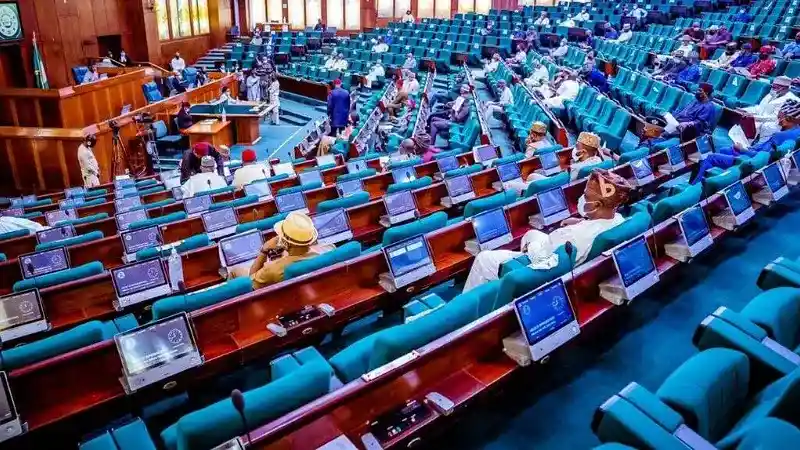
The House of Representatives is set to vote on 37 constitutional amendment bills aimed at reforming Nigeria’s electoral system, judiciary, security architecture, local government administration, citizenship laws, legislative processes, human rights protections, and traditional institutions.
Ejes Gist News reports that the proposed amendments form part of the ongoing review of the 1999 Constitution and could significantly reshape governance, democratic participation, and public administration if eventually approved by both the National Assembly and state Houses of Assembly.
Among the proposals before lawmakers are bills seeking to establish state police, allow independent candidacy in elections, create an Electoral Offences Commission, strengthen local government autonomy, expand women’s representation in politics, and provide constitutional recognition for traditional institutions.
Electoral Reform Bills
Three major electoral reform bills are scheduled for consideration.
The first seeks to introduce independent candidacy for presidential, governorship, National Assembly, state assembly, and local government elections. Under the proposal, candidates would be required to secure verified signatures from a specified percentage of registered voters within their constituencies.
Another bill aims to strengthen State Independent Electoral Commissions (SIECs) by introducing stricter eligibility requirements for commissioners and granting the bodies greater operational independence.
Lawmakers will also vote on a proposal to establish an Electoral Offences Commission with powers to investigate and prosecute electoral offences across the country.
Judicial Reform Bills
The House will consider amendments designed to improve the efficiency of Nigeria’s judicial system.
One of the proposals seeks to reduce the workload of the Supreme Court by limiting categories of appeals that can reach the apex court as of right.
Another bill seeks to regulate the jurisdiction of the Supreme Court and Court of Appeal while imposing timelines for the disposal of appeals.
A separate proposal would allow judges elevated to higher courts to conclude criminal cases that were partly heard before their promotion.
Security and State Police Bills
Security reforms feature prominently among the constitutional amendments.
The most significant proposal seeks to establish state police, a long-debated issue in Nigeria’s federal structure.
If approved, the amendment would provide a constitutional basis for state-controlled policing alongside existing federal security arrangements.
Another security-related bill seeks to grant financial autonomy to the Armed Forces by placing military funding on a first-line charge of the Federation Account.
Local Government Reform Bills
Several proposals focus on strengthening local government administration.
One bill seeks to formally recognise local government councils as a constitutionally protected tier of government.
Another amendment would establish independent offices of State Auditors-General for Local Governments and Area Councils to improve accountability and financial oversight.
The reforms are intended to strengthen governance and transparency at the grassroots level.
Citizenship and Inclusion Bills
Lawmakers will also deliberate on constitutional amendments relating to citizenship and representation.
One proposal seeks to grant citizenship rights to foreign spouses irrespective of gender.
Another bill introduces provisions for citizenship by investment, allowing the National Assembly to determine qualification criteria through legislation.
The House will also vote on a proposal seeking additional legislative seats for women in the Senate, House of Representatives, and State Houses of Assembly as part of efforts to improve female political participation.
Legislative Reform Bills
The constitutional review package includes amendments affecting legislative operations.
Among them is a bill seeking to institutionalise legislative bureaucracy by strengthening the role of legislative service structures.
Another proposal would require appropriation bills to be presented within a specified timeframe before the end of each financial year.
Lawmakers will also consider amendments relating to the inauguration of elected legislators and procedures for removing presiding officers of state legislatures.
Human Rights and Governance Bills
Several bills focus on strengthening constitutional rights and public accountability.
The proposed amendments include enhanced protections for children, expanded definitions of torture and degrading treatment, and safeguards for unborn children carried by pregnant women sentenced to death.
Other proposals seek to establish a constitutional right to a clean and healthy environment and improve transparency through mandatory publication of Auditor-General reports.
Traditional Institution Bills
The House will also vote on proposals affecting traditional institutions.
One bill seeks to establish councils of traditional rulers as recognised constitutional bodies.
Another amendment proposes a statutory funding framework for traditional institutions through allocations derived from local government resources, subject to state legislation.
Other Key Constitutional Amendments
Additional proposals before lawmakers include:
- Inclusion of tourism on the Concurrent Legislative List
- Expansion of membership of the Federal Civil Service Commission
- Guaranteed representation for local governments in State Houses of Assembly
- Separation of governors from deputy governors in qualification and disqualification disputes
- Enhanced fiscal accountability measures for government agencies
The outcome of the voting process will determine which proposals progress to the next stage of constitutional amendment, including consideration by state Houses of Assembly as required under the Constitution.