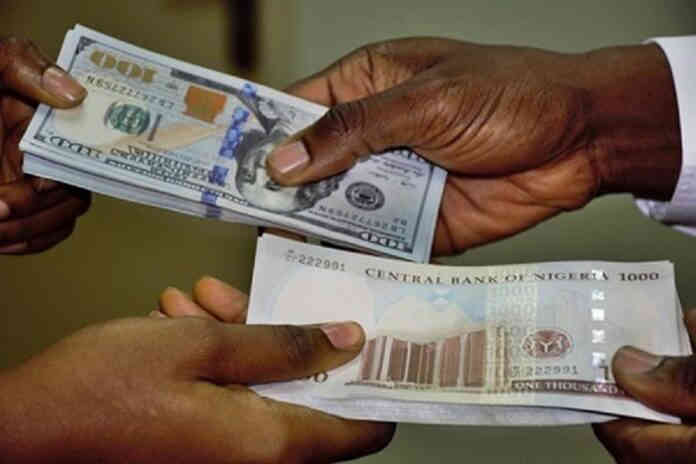
Dollar to Naira Today, June 11, 2026 – See New Black Market Price
The dollar to naira exchange rate remains one of the most closely monitored economic indicators in Nigeria, influencing import costs, foreign transactions, tuition payments, travel expenses, and business operations.
Many Nigerians track both the parallel market rate, commonly known as the black market rate, and the official exchange rate approved by the Central Bank of Nigeria (CBN) to make informed financial decisions.
Ejes Gist News reports that exchange rates in the foreign exchange market continue to fluctuate based on demand and supply dynamics, foreign currency inflows, monetary policy measures, and broader economic conditions.
Also Read: Oborevwori Breaks Silence on Deadly Agbor Train Mishap – Directs Immediate Response
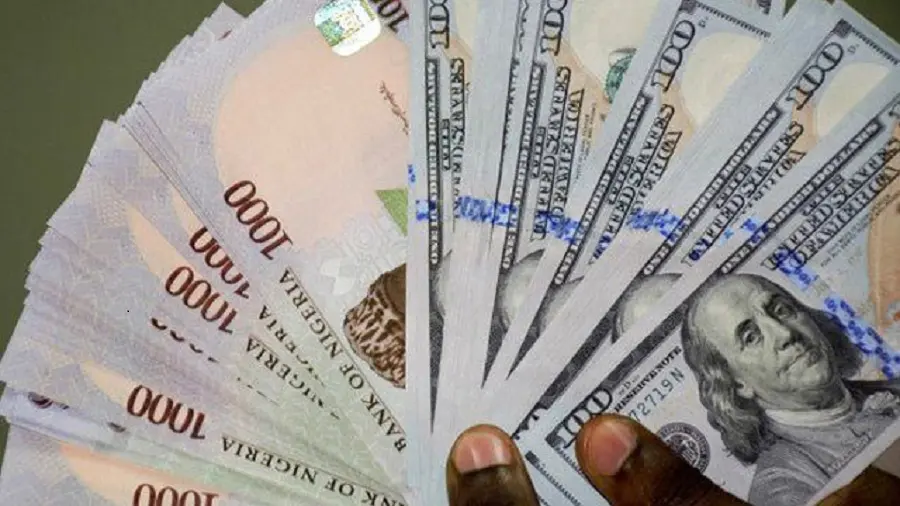
Dollar to Naira Black Market Rate Today
According to currency traders operating within major foreign exchange markets, the United States Dollar (USD) exchanged at the following average rates in the parallel market:
| Currency | Buying Rate | Selling Rate |
|---|---|---|
| US Dollar (USD) | ₦1,580 | ₦1,620 |
The buying rate represents the amount dealers pay to purchase dollars from customers, while the selling rate represents the amount customers pay to obtain dollars from traders.
Rates may vary slightly across different cities and trading locations depending on transaction volume, local demand, and market conditions.
Official Dollar to Naira Exchange Rate
The official foreign exchange market operates under the regulatory framework of the Central Bank of Nigeria and serves banks, authorized dealers, businesses, and qualified end users.
Market participants are advised to verify the latest official exchange rate through authorized financial institutions and official CBN foreign exchange publications, as rates can change based on market activity.
The gap between the parallel market exchange rate and the official market rate remains a key feature of Nigeria’s foreign exchange landscape.
Several factors contribute to this disparity, including:
- Demand for foreign currency exceeding available supply
- Import-related foreign exchange requirements
- International tuition and medical payment obligations
- Foreign investor participation levels
- Diaspora remittance flows through formal channels
- Market sentiment regarding the naira
Economists note that sustained foreign exchange liquidity and improved market confidence are among the factors that can contribute to exchange-rate stability.
Factors Influencing the Dollar to Naira Exchange Rate
1. Foreign Exchange Supply
The availability of US dollars within the Nigerian economy significantly influences exchange rate movements. Increased inflows from exports, foreign investments, and remittances generally improve market liquidity.
2. Import Demand
Nigeria’s dependence on imported goods creates consistent demand for foreign currency. Increased import activity can place additional pressure on available forex supplies.
3. Crude Oil Revenue
As a major oil-producing nation, Nigeria’s foreign exchange earnings are closely linked to crude oil exports. Changes in oil revenue can influence overall forex availability.
4. Monetary Policy Measures
Actions taken by the Central Bank of Nigeria, including market interventions and policy adjustments, can affect exchange-rate stability and investor confidence.
5. Investor Confidence
Foreign portfolio and direct investments contribute to dollar inflows. Strong investor confidence typically supports foreign exchange liquidity.
Tips for Exchanging Dollars Safely
Individuals and businesses seeking foreign exchange should consider the following precautions:
- Compare rates from multiple authorized sources before completing transactions.
- Use licensed Bureau De Change operators and authorized financial institutions where applicable.
- Verify all currency notes before concluding any transaction.
- Keep transaction records and receipts.
- Avoid dealing with unverified currency traders.
- Monitor exchange-rate movements regularly before making large transactions.
Why Nigerians Monitor Dollar to Naira Rates Daily
The exchange rate affects multiple sectors of the economy, including:
- International trade
- School fees paid abroad
- Medical tourism
- Foreign travel
- E-commerce purchases
- Manufacturing and import-dependent businesses
Changes in the value of the naira can therefore have a direct impact on household spending and business costs.
Key Exchange Rate Information
- Black market buying rate: ₦1,580 per US dollar
- Black market selling rate: ₦1,620 per US dollar
- Rates vary by location and transaction size
- Official market rates should be confirmed through authorized sources
- Exchange rates remain subject to market conditions and regulatory developments
Disclaimer: Foreign exchange rates fluctuate throughout the trading day. Readers are advised to confirm prevailing rates with authorized dealers, financial institutions, or official regulatory sources before conducting transactions.
You May Also Like
Trending Now