
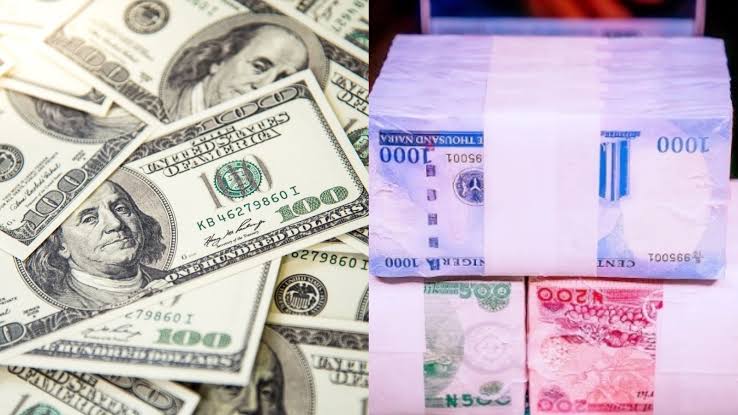
Dollar to Naira Exchange Rate Today — April 16, 2026
The Nigerian naira has continued its recent strengthening trend against the United States dollar, with the official foreign exchange window recording fresh gains, while parallel market rates show regional variations across major trading hubs.
Ejes Gist News reports that the comprehensive breakdown of dollar-to-naira rates for Thursday, April 16, 2026, is based on data from the Central Bank of Nigeria (CBN), the Nigerian Foreign Exchange Market (NFEM), and verified Bureau De Change (BDC) sources nationwide.
Official Market: Naira Hits Strongest Level in Two Months
At the Nigerian Foreign Exchange Market (NFEM), the official window for currency transactions, the naira opened Thursday’s trading at approximately ₦1,344.20 per dollar, extending the bullish momentum observed earlier in the week.
Early trading data shows the currency reaching a session high of ₦1,343.83 before stabilising around the ₦1,344 level. This marks a notable improvement from the previous close of ₦1,341.99 per dollar, which represented the naira’s strongest level since February 18, 2026, when it traded at ₦1,340/$.
Key Official Market Indicators
| Metric | Rate (April 16, 2026) |
|---|---|
| NFEM Opening Rate | ₦1,344.20/$ |
| Early Session High | ₦1,343.83/$ |
| Previous Close (April 15) | ₦1,341.99/$ |
| CBN Highest Rate | ₦1,350/$ |
| CBN Lowest Rate | ₦1,341/$ |
Sources: CBN official data, NFEM trading platform
The sustained appreciation reflects a week-on-week improvement from the ₦1,369/$ recorded earlier in April 2026.
Black Market (Parallel Market) Rates: Regional Variations Emerge
In the parallel market, commonly referred to as the black market or Aboki FX, exchange rates show notable regional variations across Nigeria’s major commercial hubs. Unlike the unified official window, the parallel market remains driven by local supply dynamics and retail demand.
Lagos Parallel Market (Primary Hub):
- Selling Rate: ₦1,415/$
- Buying Rate: ₦1,395/$
Abuja BDC Clusters (Wuse Zone 4):
- Selling Rate: ₦1,455 – ₦1,480/$
- Buying Rate: ₦1,430 – ₦1,450/$
Port Harcourt (Aba Road/Diobu Axis):
- Selling Rate: ₦1,460 – ₦1,475/$
- Buying Rate: ₦1,435 – ₦1,450/$
Aboki FX Composite (National Average):
- Selling Rate: ₦1,402/$
- Buying Rate: ₦1,395/$
The gap between the official NFEM rate and the parallel market selling rate currently ranges between approximately ₦58 and ₦136, depending on location.
What Is Driving the Naira’s Recent Strength?
Financial analysts attribute the naira’s current trajectory to several key factors:
- Improved foreign currency inflows: Increased dollar supply from foreign portfolio investors and diaspora remittances has boosted liquidity in the official window.
- CBN’s clearance of FX backlog: Ongoing efforts by the Central Bank of Nigeria to clear outstanding foreign exchange obligations have improved market confidence.
- Policy adjustments: Recent monetary and fiscal reforms are beginning to yield measurable outcomes.
- Narrowing market gap: The spread between official and parallel markets has reduced, signalling gradual convergence.
Despite these gains, analysts remain cautious. Nigeria’s external reserves declined to $48.72 billion as of April 13, 2026, from $49.18 billion at the start of the month—a reduction of approximately $460 million within two weeks. Sustained depletion could exert pressure on the currency.
Historical Context: Naira Performance in April 2026
The naira has recorded consistent gains at the official window in recent sessions:
| Date | NFEM Closing Rate | Daily Change |
|---|---|---|
| April 16 (Morning) | ₦1,344.20/$ | Opening session |
| April 15 (Close) | ₦1,341.99/$ | +₦6.01 appreciation |
| April 14 | ₦1,348.00/$ | +₦10.00 appreciation |
| April 13 | ₦1,358.00/$ | +₦11.00 appreciation |
| April 8 | ₦1,369.00/$ | — |
Sources: CBN, Nairametrics, Tribune Online
The currency has recorded multiple consecutive sessions of appreciation, reflecting improved liquidity conditions in the official market.
Implications for Nigerians
For students and travellers: Although official rates are improving, access remains largely through banks and licensed BDC operators. The parallel market continues to attract a premium due to strong retail demand.
For businesses: Importers sourcing foreign exchange through official channels may benefit from the strengthening trend, although demand pressures could shift market direction.
For investors: A narrowing gap between official and parallel rates indicates improving market efficiency, which could support increased foreign investment inflows if sustained.
Important Disclaimer
The Central Bank of Nigeria (CBN) does not recognise the parallel market and advises individuals seeking foreign exchange to transact through authorised financial institutions.
Exchange rates fluctuate throughout the trading day. The figures published in this report reflect verified data as of 7:00 AM WAT on April 16, 2026, and may vary at the point of transaction.
Other Major Currencies Against the Naira
| Currency | Rate (₦) | Daily Change |
|---|---|---|
| British Pound (GBP) | ₦1,895/£1 | -₦5 |
| Euro (EUR) | ₦1,615/€1 | Unchanged |
| Canadian Dollar (CAD) | ₦1,100/CA$1 | Unchanged |
Source: Market data aggregators
Outlook for April 2026
Market sentiment remains cautious, with analysts noting that continued stability will depend on sustained foreign inflows and consistent monetary policy.
Key risk factors include:
- Seasonal demand for school fees and international travel
- Pre-election spending ahead of the 2027 cycle
- Global oil price volatility affecting foreign earnings
- Further depletion of external reserves
Ejes Gist News will continue to monitor developments in the foreign exchange market and provide timely updates.
For updates on the dollar to naira exchange rate today, follow verified market data and official CBN channels.
You May Also Like
Trending Now