
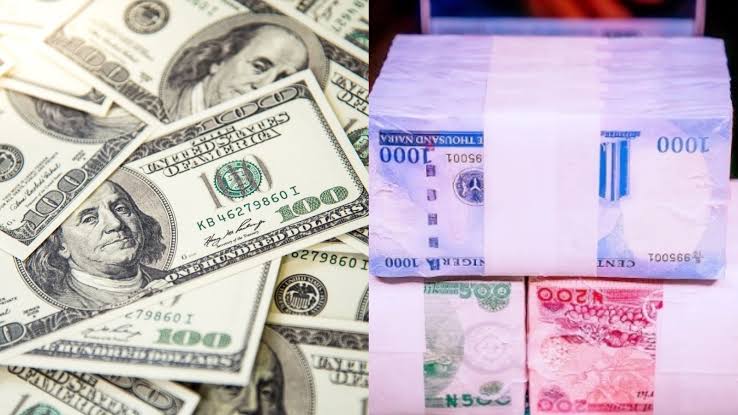
Dollar to Naira Exchange Rate Today – March 23, 2026 as CBN Maintains Tight Liquidity
Official Rate Holds Steady as Parallel Market Premium Widens Amid Sustained Dollar Demand
The Dollar to Naira exchange rate remained under pressure on Monday, March 23, 2026, with the naira trading at ₦1,385 per dollar in the parallel market, while the official window recorded marginal movement amid sustained demand pressures.
Ejes Gist News reports that the Nigerian Autonomous Foreign Exchange Market (NAFEM) window recorded an average exchange rate of ₦1,359 per US dollar, reflecting the Central Bank of Nigeria’s (CBN) continued intervention to stabilise the currency.
Official Exchange Rate (CBN/NAFEM Window)
Data from the FMDQ Securities Exchange shows that the naira traded within a relatively stable band in the official market, supported by sustained liquidity interventions from the Central Bank.
| Market | Rate (₦/USD) |
|---|---|
| Official (NAFEM) | ₦1,359 – ₦1,365 |
| Opening Rate | ₦1,359.78 |
| Closing Rate | ₦1,362.50 |
The official rate is determined by supply and demand dynamics within the Investors and Exporters (I&E) window and other approved trading platforms supervised by the CBN.
Black Market (Parallel Market) Rate
In the parallel market, commonly referred to as the black market, the dollar continues to trade at a premium over the official window due to liquidity constraints and sustained retail demand for foreign currency.
Currency dealers in major commercial hubs such as Lagos, Abuja, and Kano quoted the following ranges on Monday:
| Market | Buying Rate | Selling Rate |
|---|---|---|
| Parallel Market (Black Market) | ₦1,375 – ₦1,380 | ₦1,380 – ₦1,385 |
Note: Rates may vary depending on location, transaction volume, and dealer margins.
Also Read : Ozoro Festival: Monarch Condemns Violence Against Women, Distances Self from Abuse Allegations
Why the Rates Differ
The persistent gap between the official and parallel market exchange rates is driven by several structural factors:
| Factor | Impact |
|---|---|
| Dollar Supply Constraints | Limited foreign inflows relative to rising demand |
| Speculative Demand | Importers and businesses hedge against currency depreciation |
| End-of-Month Pressures | Increased demand for offshore obligations |
| Global Dollar Strength | International currency trends affecting emerging markets |
| Policy Interventions | CBN’s managed float regime influences official rates |
Nigeria operates a managed float system, in which the exchange rate is influenced by market forces but remains subject to regulatory interventions by the Central Bank.
CBN’s Policy Direction
The Central Bank of Nigeria continues to focus on stabilising the currency through:
- Regular liquidity interventions in the official market
- Dollar supply to authorised dealers to meet legitimate demand
- Monitoring of Bureau de Change (BDC) operations to curb speculation
- Foreign exchange reforms aimed at attracting portfolio inflows
Ejes Gist News gathered that the CBN remains committed to exchange rate convergence, although analysts note that achieving full alignment between official and parallel market rates will require a significant improvement in dollar liquidity.
Factors Influencing the Exchange Rate
Market analysts are monitoring several key indicators likely to shape the Dollar to Naira exchange rate:
- External reserves – current levels and trends
- Crude oil production – Nigeria’s primary foreign exchange source
- Foreign portfolio inflows – investor confidence in Nigerian assets
- Diaspora remittances – a major source of dollar liquidity
- Monetary policy direction – interest rate decisions and open market operations
How Exchange Rates Affect Nigerians
The Dollar to Naira exchange rate directly affects multiple sectors of the economy:
| Sector | Impact |
|---|---|
| Import Costs | Higher exchange rates increase the cost of imported goods |
| Fuel Pricing | Petroleum imports are priced in dollars |
| School Fees | Foreign tuition costs rise with currency depreciation |
| Medical Tourism | Overseas healthcare becomes more expensive |
| Inflation | Currency weakness drives up consumer prices |
| Foreign Investment | Volatility impacts investor confidence |
Businesses that depend on imported raw materials remain particularly vulnerable to foreign exchange fluctuations.
Market Outlook
Financial analysts indicate that the naira may remain under pressure in the near term, particularly due to increased demand for dollars typically observed toward the end of the month.
However, improved dollar liquidity, increased non-oil exports, and stable crude oil production remain critical factors for medium- to long-term currency stability.
The CBN continues to implement monetary measures aimed at stabilising the naira and narrowing the gap between official and parallel market rates.
Summary
| Market | Rate (₦/$) | Trend |
|---|---|---|
| Official (NAFEM) | ₦1,359 – ₦1,365 | Stable |
| Parallel Market (Black Market) | ₦1,380 – ₦1,385 | Moderate premium |
The Dollar to Naira exchange rate reflects continued stability in the official market, while the parallel market maintains a moderate premium driven by sustained demand pressures.
Ejes Gist News Nigeria will continue to monitor exchange rate movements and provide updates. Follow for currency news and market developments.
For enquiries, contact the editorial team at [email protected]
Ejes Gist News Nigeria – Your Trusted Source for Currency Exchange Rates and Financial Market Analysis.
You May Also Like
Trending Now