
Tinubu Quickly Signs Electoral Act 2026 Amendment Into Law Amid Public Outcry
Tinubu Signs Electoral Act 2026 into Law Amid Debate Over Electronic Transmission
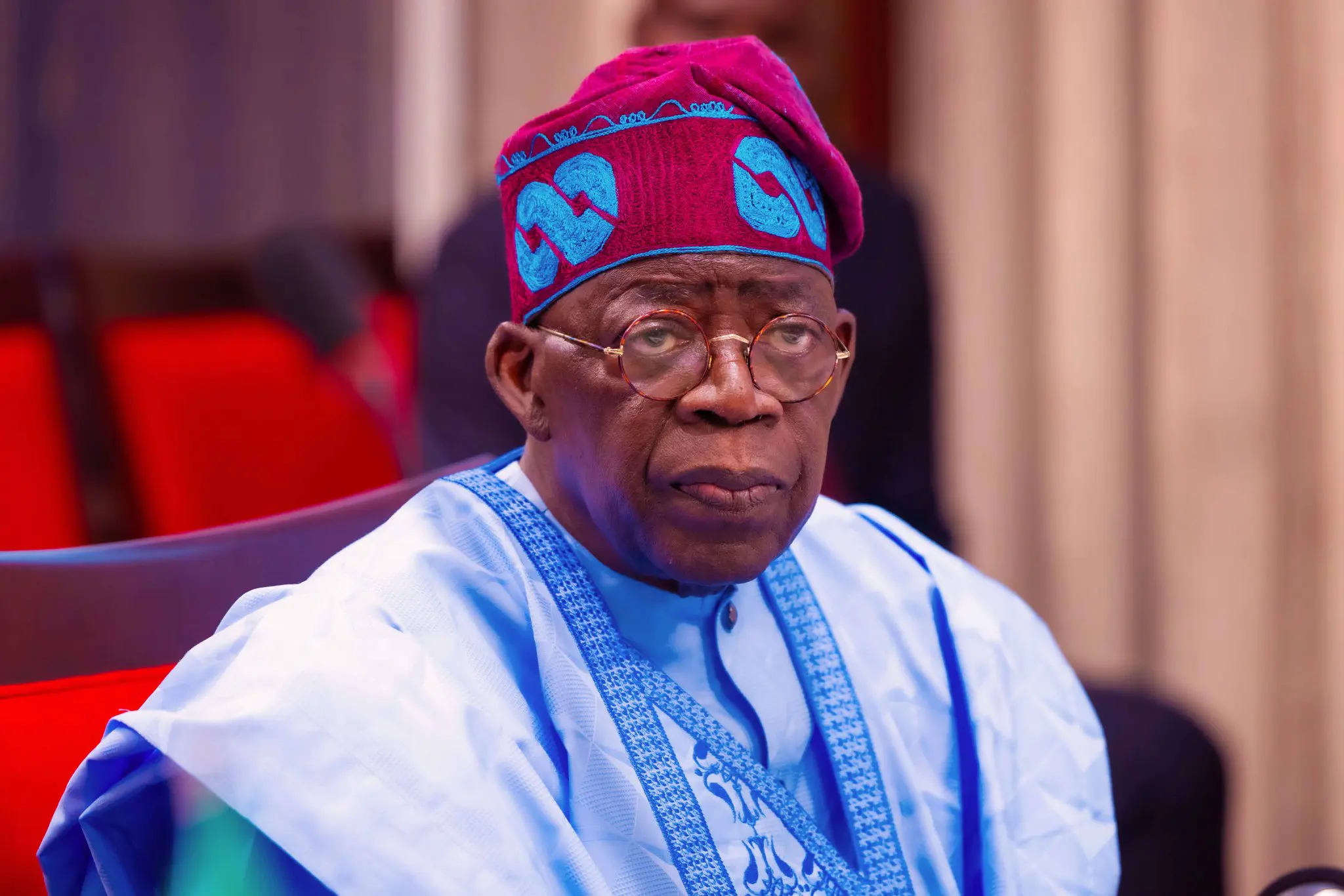
President Bola Ahmed Tinubu has signed the Electoral Act 2026 (Amendment) into law, days after the Independent National Electoral Commission (INEC) released the timetable for the 2027 general elections.
Ejes Gist News reports that the signing ceremony took place at the Presidential Villa, Abuja, at about 5:00 p.m., in the presence of principal officers of the National Assembly.
The National Assembly passed the amendment bill before transmitting it to the President for assent. The new law introduces adjustments to Nigeria’s electoral framework, with particular focus on the use of technology in the conduct of elections.
What the Electoral Act 2026 Amendment Addresses
The amendment has reignited national debate over the electronic transmission of election results. Civil society organisations and opposition stakeholders have consistently advocated for real-time electronic transmission of results from polling units to INEC’s central server. They argue that digital collation would reduce manual interference and enhance electoral transparency.
During legislative deliberations, stakeholders cited concerns arising from the 2023 general elections, when technical disruptions affected the INEC Results Viewing Portal (IReV), prompting allegations of irregularities. Protesters recently demonstrated at the National Assembly complex, demanding statutory guarantees for live electronic transmission.
Technology Versus Infrastructure Concerns
Supporters of expanded technology deployment maintain that electronic transmission strengthens credibility and public confidence in electoral outcomes. They insist that codifying digital processes in law will provide clarity and reduce post-election litigation.
However, other stakeholders, including some lawmakers and political actors, have raised concerns about network limitations in rural and underserved areas. They advocate a phased or hybrid framework that permits manual collation where electronic systems encounter operational challenges.
INEC has repeatedly stated that infrastructure readiness, logistics, and legal backing are critical to effective technology deployment during elections. The commission’s timetable sets the 2027 Presidential and National Assembly elections for February 20, with Governorship and State Houses of Assembly elections scheduled for March 6.
NELFUND Disburses ₦392.8 Million to DELSU Students Amid Fresh Controversies
Political and Legal Implications
The signing of the Electoral Act 2026 positions the amended framework as the governing legal instrument for the 2027 general elections. Legal analysts note that amendments to electoral statutes close to an election cycle often attract scrutiny, particularly regarding their alignment with constitutional provisions and implementation timelines.
Observers indicate that further clarification from INEC will determine how the amended provisions on electronic transmission and result collation will operate in practice. Civil society groups have pledged continued monitoring of the implementation process to ensure compliance with transparency and accountability standards.
You May Also Like


Trending Now