
Horrific Scene as Islamic Terrorists Killed 70 People, Vandalize 35 Churches
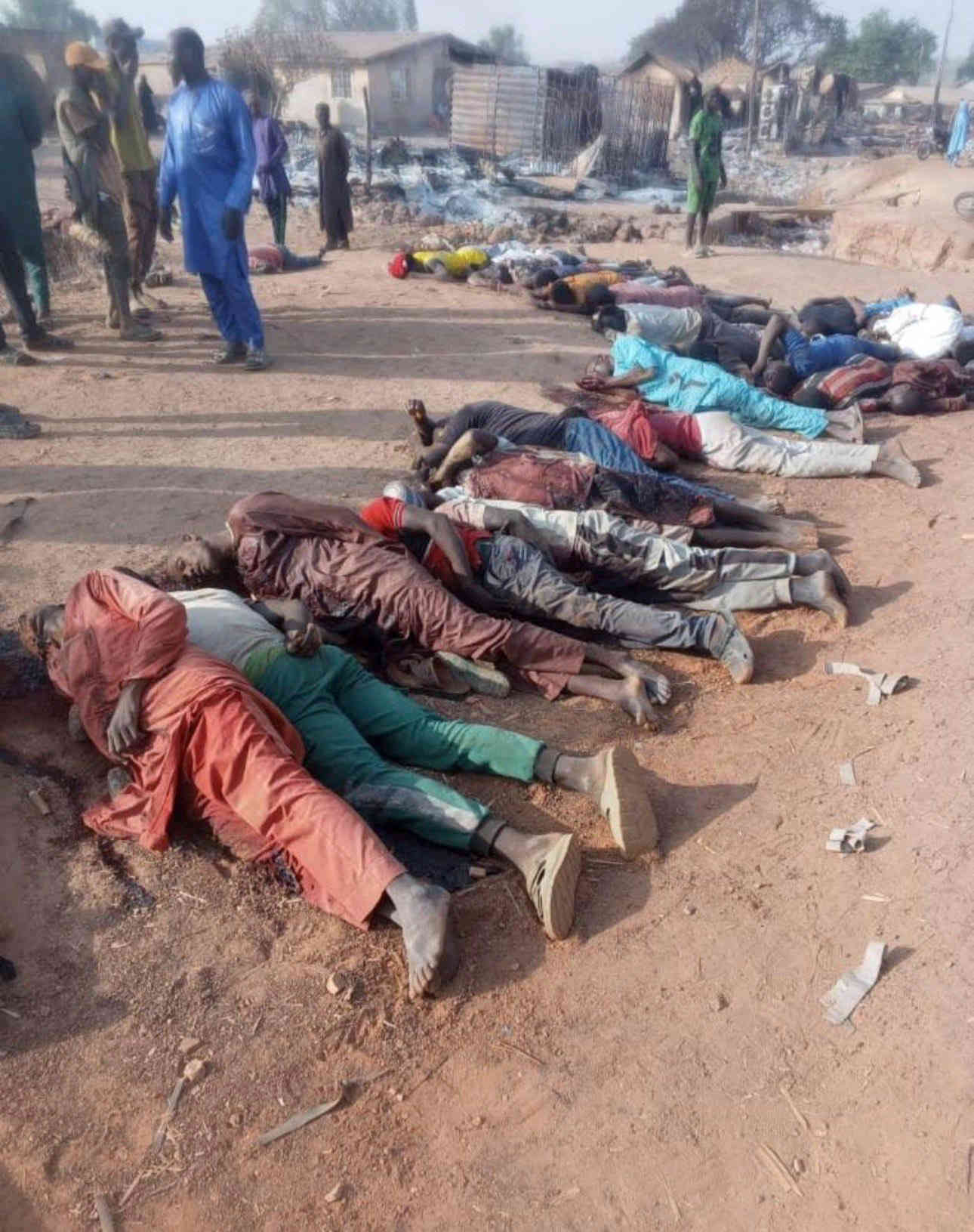
Armed attackers suspected to be Islamic terrorists launched a deadly assault on communities in Chanchanji Council Ward of Takum Local Government Area, Taraba State, leaving at least 70 people dead and 35 churches destroyed, according to local officials and community leaders. The violence, which occurred in February 2026, has triggered fresh fears about insecurity in Nigeria’s Middle Belt region.
Community sources said the attackers invaded several villages, shooting residents and setting places of worship ablaze.
Ejes Gist News reports that survivors described scenes of panic as gunmen moved from house to house, targeting civilians and religious buildings. Local leaders allege that the attacks were coordinated and appeared aimed at intimidating the predominantly Christian Tiv population in the area.
Details of the Attack
Witnesses said the assailants arrived in large numbers and operated for several hours without immediate resistance. Homes and churches were reportedly burned, forcing many families to flee into nearby bushes for safety.
A local government official in Takum confirmed that dozens of bodies had been recovered and that emergency responders were struggling to cope with the scale of destruction. “This is one of the worst incidents we have seen in recent years,” the official said, requesting anonymity because he was not authorized to speak to the media.
Victims Identified
Community groups released a preliminary list of 60 names of those killed in the attack. The victims include men, women, and a church pastor. Among the names circulated are:
- Terla Tyonenge
- Dajo Senga
- Sonter Msugh
- Fanbo Orhena
- Kundushima Yaor
- Verlor Tyowus
- Tyowua Firgha
- Apinen Ikyondo
- Gwa Osaugh
- Aondona Gia
- Terngu Gia
- Usha Tumbee
- Tyolumun Daida
- Terzungwa Tilinga
- Tordue Toryiln
- Ornan Orgen
- Mgbekenger Sawua
- Zunguior Akigh
- Mama Ageaor Kpaor
- Terzungwe Chia
- Mnenge Abiadu
- Msugh Gaza
- Saulu Kwazan
- Tyonenge Ikpughun
- Igbaga Mbakuaga
- Mtera Akulaan
- Mary Joseph
- Tornongo Kpega
- Atsator Ayal
- Tyoor Orya
- Usenga Pevikyaa
- Gbaka Kalo
- Luper Mulega – reported taken alive
- Pastor Doose Mbathembe
- Aperaku Ondoaver
- Aondover Kparev
- Tyoakula Atsenga
- Aondosoo Shacia
- Aondoakura Kurave
- Gogo Atindiga
- Aondonengen Apine
- Aondo Ijewua
- Ushahemba Kerchia
- Abraham Apine
- Kumater Igo
- Terlumun Apetimin
- Jimeshin Mbaume
- Orera Lorhom
- Abraham Anyoho
- Angoboga Mbagbe
- Vershima Orhungs
- Mary Kircivir
- Orlega Maughaonde
- Kwaghsaanga Aniv
- Emmatue Fortan
- Kumaaron Aperilighin
- Maaserin Alibo
- Chia Atunku
- Zaki Agbaibo Tetan
- Mverve Akombo
Local organizers said the list remains incomplete as search efforts continue in surrounding villages.
Destruction of Worship Centers
Religious leaders in the area stated that at least 35 churches belonging to different denominations were vandalized or burned during the attack. Photographs shared by residents show damaged buildings, burnt pews, and ruined church property.
The Taraba State chapter of the Christian Association of Nigeria described the incident as a deliberate attempt to terrorize Christian communities. The group called on federal authorities to deploy additional security forces to prevent further violence.
Security Response
Taraba State Police Command acknowledged receiving reports of an attack in Takum Local Government Area. In a brief statement, the command said officers had been dispatched to restore calm and begin investigations.
Military sources in the state also confirmed that troops were conducting patrols in affected communities. No arrests have been announced, and officials have not yet provided an independent casualty figure.
Background of Regional Tensions
The Middle Belt region of Nigeria has experienced recurring conflicts for many years, often involving disputes over land, religion, and ethnic identity. Takum Local Government Area has been a flashpoint for violence between farming communities and armed groups.
Security analysts note that attacks on places of worship and mass civilian killings have become an increasing concern in parts of northern and central Nigeria. Human rights organizations have repeatedly urged the federal government to strengthen early warning systems and improve protection for vulnerable communities.
Calls for Investigation
Local and national advocacy groups are demanding an independent investigation into the incident. Community leaders say survivors are in urgent need of humanitarian assistance, medical care, and protection from further attacks.
As rescue and recovery operations continue, residents of Chanchanji and neighboring villages remain fearful of renewed violence. Authorities have urged citizens to remain calm while promising that those responsible will be brought to justice.
The full extent of casualties and damage is still being assessed as security agencies gather more information from the affected area.