Dollar to Naira Exchange Rate Today, Friday, January 23, 2026
Dollar to Naira Black Market Exchange Rate Today, Friday January 23, 2026
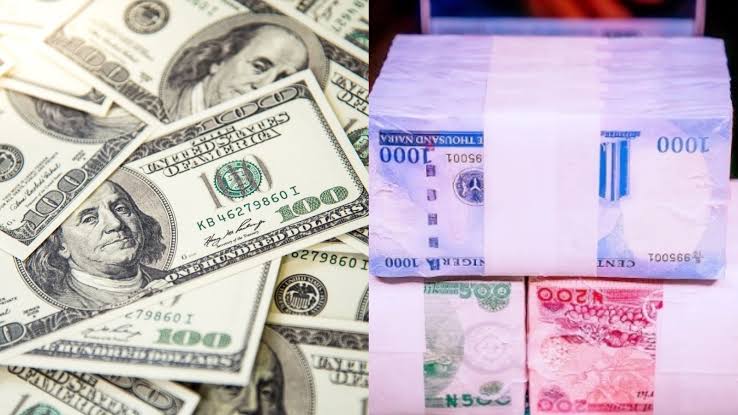
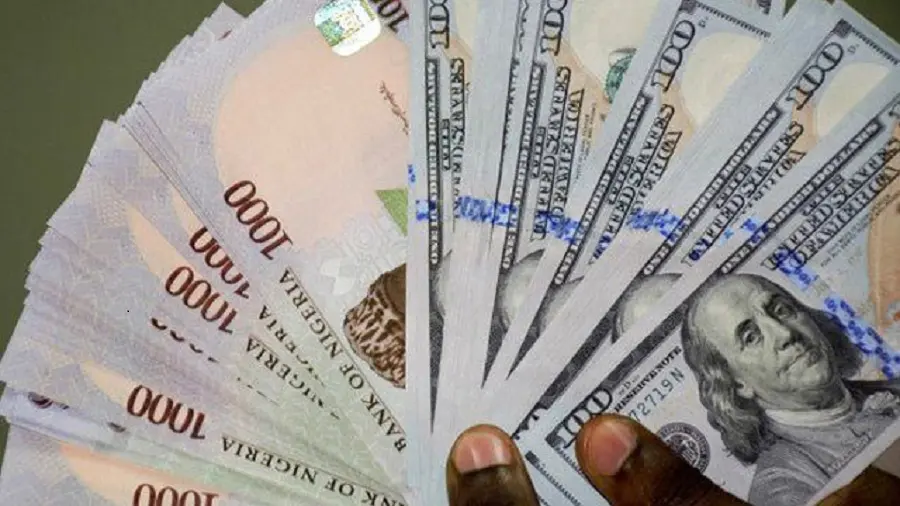
The Nigerian naira remains under pressure in the black market as the US dollar trades at elevated rates across major cities. Ejes Gist News reports that the parallel market, commonly referred to as Aboki FX, continues to attract individuals and businesses seeking foreign currency outside official channels.
Black market operators in Lagos, Abuja, and Port Harcourt quoted the dollar at a buying rate of approximately ₦1,488 to ₦1,490 per $1, with a selling rate ranging from ₦1,498 to ₦1,500 per $1. This premium over official rates highlights sustained demand for dollars and the continued reliance on informal trading networks.
Official vs Black Market Rates
Official exchange rates, as published by the Central Bank of Nigeria (CBN) and interbank platforms, place the naira at approximately ₦1,418 to ₦1,422 per $1. The significant gap between official and black market rates reflects supply constraints in regulated channels and rising informal market activity.
Factors Influencing Black Market Rates
Several dynamics contribute to the elevated parallel market rates:
- High demand for dollars: Importers, businesses, and individuals often seek foreign currency for overseas transactions.
- Limited official liquidity: Shortages in authorized forex windows encourage reliance on parallel markets.
- Informal inflows: Remittances and private transfers impact supply outside regulated channels.
Market analysts indicate that while recent dollar inflows have eased extreme volatility, the black market rate remains sensitive to daily fluctuations in demand and supply.
Also Read : INEC Warns Nigerians Against ₦20,000 Vote-Buying After APC Chieftain’s Remarks on National TV
Implications for Traders and Consumers
Black market rates are not regulated and may differ depending on location, dealer, and transaction size. For significant forex transactions, verifying rates with trusted sources is recommended. Official CBN rates remain the authoritative reference for formal banking and trade purposes.
Trends and Outlook
The continued divergence between black market and official rates underscores structural challenges in Nigeria’s foreign exchange environment. Persistent demand pressures, limited formal dollar availability, and informal market activity are expected to maintain this gap until liquidity in regulated channels improves.
Ejes Gist News stands for truth, responsible journalism, editorial integrity and fearless accountability.
You May Also Like
Trending Now