Black Market Dollar to Naira Exchange Rate Today, Friday, January 16, 2026
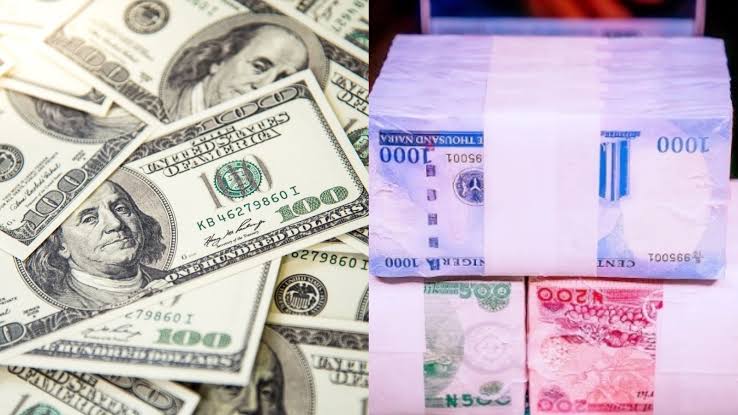
The Nigerian parallel market or black market foreign exchange rate for the United States Dollar remains a key economic indicator for businesses, traders, investors, and individuals remitting funds into the economy.
Ejes Gist News reports that the informal foreign exchange market continues to operate independently of the Central Bank of Nigeria (CBN) official rate system, reflecting real-time supply and demand dynamics that differ from the regulated official trading windows.
Black market (parallel market) exchange rates are sourced from Bureau De Change (BDC) operators and informal dealers across major Nigerian cities such as Lagos, Abuja, Port Harcourt, and Kano. These rates are not published by the CBN but are tracked daily through market intelligence compiled from on-the-ground traders and private FX trackers.
Current Black Market Dollar to Naira Rates
As of the latest trading session on Friday, January 16, 2026, the black market Dollar to Naira exchange rates were reported as follows by multiple independent sources:
• The dollar is exchanging around ₦1,485 to ₦1,500 per US Dollar for selling in the parallel market, based on the most recent quotations from Bureau De Change and Aboki (parallel market) sources. Selling rates indicate the amount of Naira that dealers ask for one US Dollar.
Jada Pollock Biography, Net Worth, Wiki, Real Name, Husband, Wizkid Manager
• Correspondingly, buying rates — the Naira amount dealers pay to acquire each US Dollar — vary typically between ₦1,470 and ₦1,495, depending on volume, city, and dealer. Buying rates remain consistently lower than selling rates due to dealer spread.
These parallel market rates imply a continued premium on the USD compared to the official market, where the CBN and interbank rates remain significantly lower (around the ₦1,420–₦1,430 band).
Understanding the Black Market (Parallel Market)
The parallel market, commonly referred to as the black market or Aboki foreign exchange, describes foreign exchange trading that occurs outside formal CBN-regulated platforms. Participants in this market typically include Bureau De Change operators, informal dealers, corporate traders unable to access sufficient forex through official channels, and individuals seeking immediate liquidity.
Key characteristics of the black market include:
• Unregulated Pricing: Rates are determined by real-time demand and supply among traders, without direct CBN oversight.
• Wider Spreads: The difference between buying and selling rates (the spread) reflects transaction risk, dealer cost, and liquidity conditions.
• Geographic Variation: Rates can differ slightly across city hubs like Lagos Island, Ikeja, Wuse, and Kano’s commercial districts.
• Market Signals: Black market rates often serve as indicators of underlying forex market stress, perceived currency scarcity, and confidence levels among traders and small businesses.
Historical Context and Trends in the Black Market Rate
Nigeria’s foreign exchange markets have undergone significant transformation over recent years. Following the removal of multiple exchange rate windows and liberalization policies starting in 2023, the naira transitioned to a more freely floating system. This shift eliminated some artificial anchors and allowed market forces to set exchange rates. However, volatility persisted, and the parallel market remained a reference for real-world price discovery when official channels were unable to meet demand.
For example:
• In early January 2026, parallel market sell rates were consistently reported around ₦1,500 per US Dollar.
• In late 2025 and prior years, black market rates fluctuated significantly above ₦1,500 and sometimes even beyond ₦1,600 per dollar during periods of tight liquidity and high demand.
• Comparative measures from late 2025 indicate the black market rate has occasionally converged closer to official rates as liquidity from remittances and informal inflows improved.
These historical patterns demonstrate that the black market functions as a leading indicator of forex stress, often pricing in expected policy shifts or economic pressures before they are reflected in official markets.
Factors Influencing the Parallel Market Rate
The black market Dollar to Naira exchange rate does not respond to a single driver; rather, it is the composite outcome of multiple economic, policy, and market forces. Key determinants include:
Supply and Demand Dynamics
• Demand pressure for US Dollars arises from importers, foreign obligations, education fees, travel, and business transactions.
• Limited supply in official channels due to regulatory allocation, documentation requirements, and forex scarcity often pushes participants into the parallel market at higher rates.
Official Market Liquidity and CBN Interventions
• Central Bank liquidity support through interventions, including sales to authorised dealers, can ease pressure on official rates, indirectly influencing parallel rates when arbitrage opportunities narrow.
• Sustainable increases in foreign exchange reserves afford the CBN greater capacity to defend the naira, reducing urgency in the parallel market.
Economic Indicators
• Inflation trends, interest rate adjustments by the CBN Monetary Policy Committee, and external macroeconomic conditions shape investor expectations and forex valuations.
• Nigeria’s reliance on oil export receipts means global crude prices directly affect traders’ ability to source dollars, with black market rates adjusting rapidly in response to price shocks.
Also Read: 72% of Christians Killed Globally Were Murdered in Nigeria – U.S. Lawmaker
Policy and Regulatory Environment
• The CBN’s stance on enforcement against illicit forex channels influences black market activity. While the central bank does not recognise parallel trading formally, enforcement, documentation mandates, and forex allocation policies affect participation.
• Regulatory pronouncements intended to unify official and parallel rates have, at times, narrowed the gap, though disparities persist due to different operational realities of each market.
Business and Household Implications
The divergence between official and parallel market exchange rates has tangible impacts on the Nigerian economy:
• Cost of Imports: Higher black market rates increase the cost of imported goods when businesses turn to parallel markets due to official channel constraints.
• Remittances: Families receiving remittances may benefit from higher conversion values in the parallel market but also face heightened volatility.
• Pricing Pressure: Retail price inflation of imported raw materials and finished goods can stem from elevated forex conversion costs, influencing overall consumer prices.
• Planning Uncertainty: Businesses that cannot secure forward contracts or hedge effectively face operational risk due to exchange rate unpredictability.
Official vs Parallel Market: Key Differences
Official Rate (CBN/Interbank):
• Set by the Central Bank or determined via regulated trading platforms.
• Used by banks and authorised forex dealers subject to documentation requirements.
• Typically lower than the parallel market rate, reflecting policy objectives of stability.
Parallel Market (Black Market):
• Determined by informal supply and demand.
• Prices vary by location and transaction size.
• Reflects real-time liquidity conditions and market sentiment.
Tracking and Reporting Methodologies
Because the black market lacks centralised reporting, tracking methodologies rely on aggregation of dealer quotes, Aboki forex trackers, and data from BDC operators. Reputable private finance news portals, financial analysts, and market intelligence platforms compile daily updates to provide approximate ranges rather than fixed official numbers.
What Market Participants Should Watch
• Official FX Liquidity Infusions: Announcements or execution of CBN intervention programmes.
• Foreign Reserve Trends: Reserve movements as indicators of central bank capacity to support forex markets.
• Global Commodity Prices: Crude oil price movements and external demand for Nigerian exports.
• Monetary Policy Statements: CBN monetary policy decisions that could influence interest rates and forex market expectations.
Summary of Black Market Exchange Rates (January 16, 2026)
• Selling rate in the black market is approximately ₦1,485–₦1,500 per US Dollar.
• Buying rate ranges from ₦1,470 to ₦1,495 per US Dollar.
• Official CBN and interbank rates remain significantly below parallel figures (around ₦1,420–₦1,430).
These rates reflect ongoing forex market dynamics shaped by liquidity conditions, demand pressure, supply constraints, and regulatory policy interactions. Parallel market rates remain salient indicators of broader economic pressures and real-time trader sentiment within Nigeria’s evolving forex landscape.
No exchange rate policy or market data in this report should be construed as financial advice. Rates are approximate and sourced from publicly available market trackers as of the date specified.
Ejes Gist News stands for truth, responsible journalism, editorial integrity and fearless accountability.
You May Also Like
Trending Now