BREAKING: Tinubu Nominates Former CDS Christopher Musa as New Defence Minister
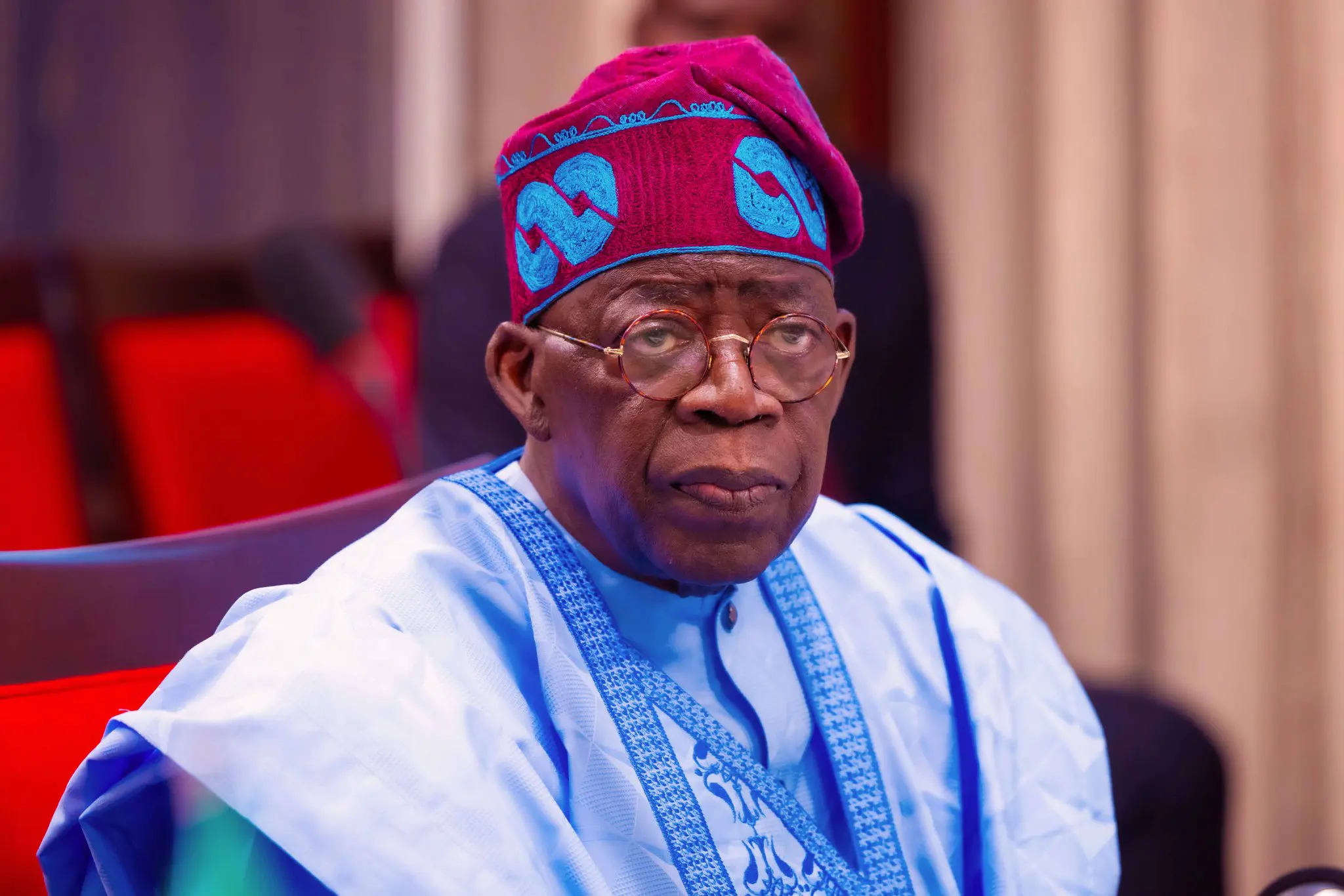
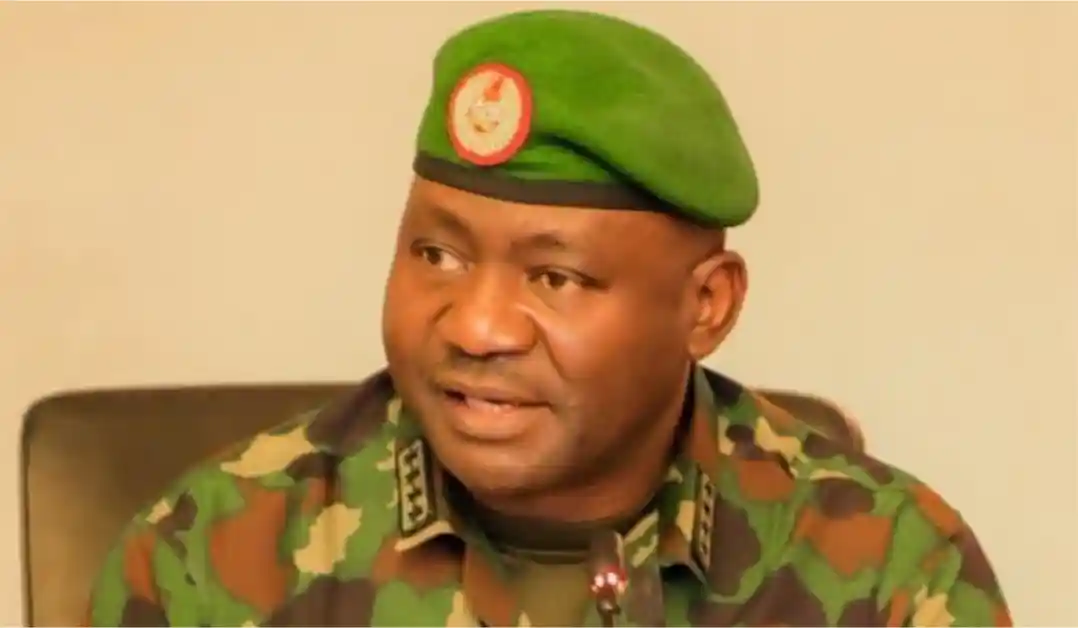
President Bola Ahmed Tinubu has nominated former Chief of Defence Staff, General Christopher Gwabin Musa (rtd), as Nigeria’s new Minister of Defence, following the sudden resignation of Mohammed Badaru Abubakar on Monday.
The nomination was conveyed to the Senate in an official communication addressed to Senate President Godswill Akpabio on Tuesday. The move signals a significant shift in Nigeria’s defence leadership at a time when the country continues to confront expanding and increasingly sophisticated security threats.
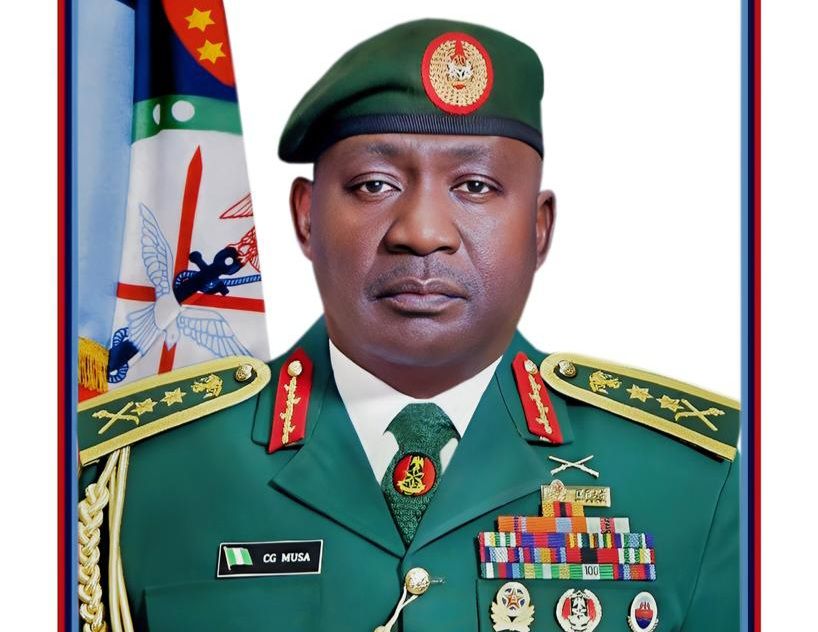
In his letter to the Senate, President Tinubu urged lawmakers to treat the nomination with urgency, describing Musa as a seasoned officer whose extensive experience in counter-terrorism, counter-insurgency, and defence strategy would be critical to ongoing reforms within the security architecture.
Akpabio acknowledged receipt of the letter during plenary, assuring senators that the nomination would receive what he called “serious and immediate attention,” citing the evolving national security situation across the country.
A Rapid Transition at the Defence Ministry
General Musa’s nomination comes less than 24 hours after Badaru’s unexpected exit from office. Although the Presidency confirmed his resignation, no official explanation has been provided. Multiple sources within the National Assembly and security institutions suggest the change may be part of a broader restructuring within the Tinubu administration.
Badaru, a former governor of Jigawa State, had served as Defence Minister since August 2023. His departure has stirred considerable public debate, with analysts describing it as a pivotal moment in the administration’s efforts to recalibrate the nation’s security command structure.
Also Read: BREAKING: Governor Adeleke Dumps PDP Ahead of Osun Governorship Primary
For some observers, the decision to appoint a career military officer directly into the Defence Ministry marks a departure from long-standing political convention. It is also seen as a sign that the President intends to prioritize operational expertise over political factors in the management of Nigeria’s defence portfolio.
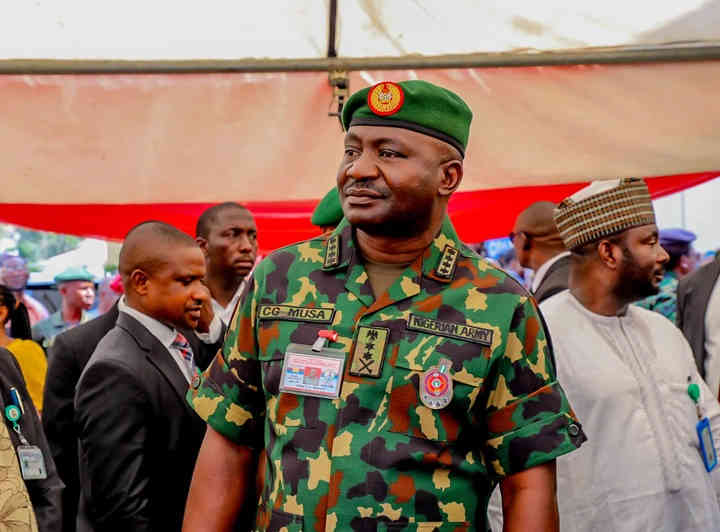
Profile: General Christopher Gwabin Musa
General Musa, regarded in military circles as a disciplined strategist, served as Nigeria’s Chief of Defence Staff until mid-2024. He played a central role in several coordinated operations against Boko Haram, ISWAP, and armed bandit groups, particularly in the North-East and North-West.
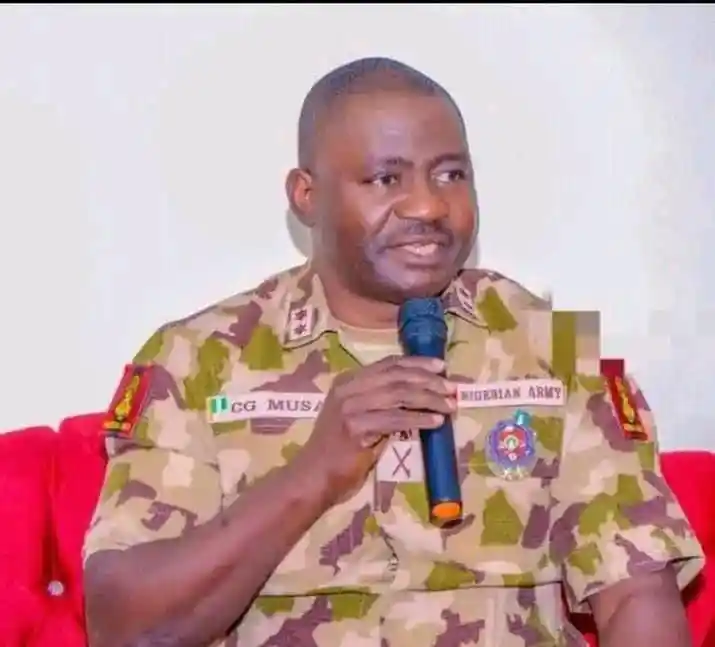
Born in Kaduna in 1967, he enrolled in the Nigerian Defence Academy under the 38th Regular Course and rose through the ranks, holding several sensitive command positions. As Theatre Commander of Operation Hadin Kai, he led some of the most extensive counter-insurgency operations carried out in the region.
His leadership style has been widely noted for its emphasis on inter-agency cooperation, modernisation of battlefield operations, and a stronger intelligence-driven approach to security challenges. Musa is also known for advocating improved welfare for troops and expanded investment in surveillance technologies.
If confirmed by the Senate, he will become one of the few former Chiefs of Defence Staff to take direct political leadership of the Defence Ministry.
Why the Appointment Is Significant
Nigeria continues to experience a complex security landscape defined by terrorism, banditry, kidnapping-for-ransom, violent extremism, organised oil theft, and separatist violence. The diversity and scale of these challenges have increased calls for a more integrated and responsive defence command.
Security specialists argue that appointing a former CDS could help close the long-standing gap between the military hierarchy and the political leadership of the Ministry of Defence. Analysts say previous ministers often entered the role without direct operational experience, slowing decision-making and creating bureaucratic delays.
Musa’s background, they note, could allow for faster alignment between executive directives and military operations, as well as more effective coordination among the Army, Navy, and Air Force.
Public and Institutional Reactions
Early reactions to Tinubu’s nomination have been largely positive. Lawmakers across party lines anonymously described Musa as “highly qualified” and “well-positioned to deliver immediate impact.”
A senior military officer told reporters that the nomination would likely “boost morale within the armed forces,” adding that troops who previously served under Musa typically regarded him as a commander with deep understanding of field realities.
Civil society organisations have also begun weighing in. The Centre for Defence Reform and Security Strategy commended the decision but called on the Senate to thoroughly review the nominee’s plans for transparency, particularly in defence procurement — a sector that has faced long-standing concerns over accountability.
Key Tasks Before the Incoming Minister
If confirmed, General Musa will confront a demanding list of priorities. These include:
- Strengthening intelligence-gathering and surveillance capabilities.
- Improving troop welfare, accommodation, and frontline logistics.
- Accelerating joint counter-terrorism and counter-insurgency operations.
- Deepening collaboration with international defence partners.
- Reforming procurement systems to enhance transparency and efficiency.
- Updating Nigeria’s national security doctrine to reflect modern threats.
He may also be expected to steer previously recommended defence reforms, including modernisation of military technology and restructuring of regional command structures.
A Defining Moment for the Tinubu Administration
For President Tinubu, the nomination of a figure as prominent as General Musa provides an opportunity to reaffirm his administration’s stated commitment to security sector reform. It also underscores the growing expectation that Nigeria’s defence leadership must adapt to meet the changing dynamics of national and regional threats.
As the Senate prepares for screening, public attention will remain focused on how quickly the incoming minister can translate his experience into measurable improvements on the ground. For millions of Nigerians seeking safety and stability, Musa’s potential confirmation represents both a symbolic and practical turning point in the country’s ongoing struggle against insecurity.
Ejes Gist News stands for truth, responsible journalism, editorial integrity and fearless accountability.
You May Also Like
Trending Now