
72% of Christians Killed Globally Were Murdered in Nigeria – U.S. Lawmaker

Advertisements
A United States lawmaker, Rep. John James, has claimed that Nigeria accounts for 72 percent of Christians killed globally, describing the situation as a case of targeted and systematic persecution.
James, who represents Southeast Michigan in the U.S. House of Representatives, made the claim in a post on X while reacting to reports that identified Nigeria as the epicentre of global killings of Christians.
According to him, the scale and pattern of violence against Christian communities in parts of Nigeria point to a sustained campaign that requires urgent international attention.
Advertisements
Ejes Gist News reports that similar claims have increasingly featured in debates within the U.S. Congress and among international human rights advocacy groups.
“I’ve been raising the alarm on the persecution of Christians in Nigeria for years,” James wrote.
“The facts are undeniable: 72% of Christians killed globally were murdered in Nigeria.
Advertisements
Also Read : Abba Abubakar Atiku Defects to APC, Endorses Tinubu’s Re-election Bid
This is targeted, systematic persecution. The United States and the world must not look away.”
The congressman did not cite a specific dataset in his post, but comparable figures have previously been linked to reports by advocacy organisations such as Open Doors and the International Society for Civil Liberties and Rule of Law (Intersociety), which track religious violence and insecurity in parts of sub-Saharan Africa.
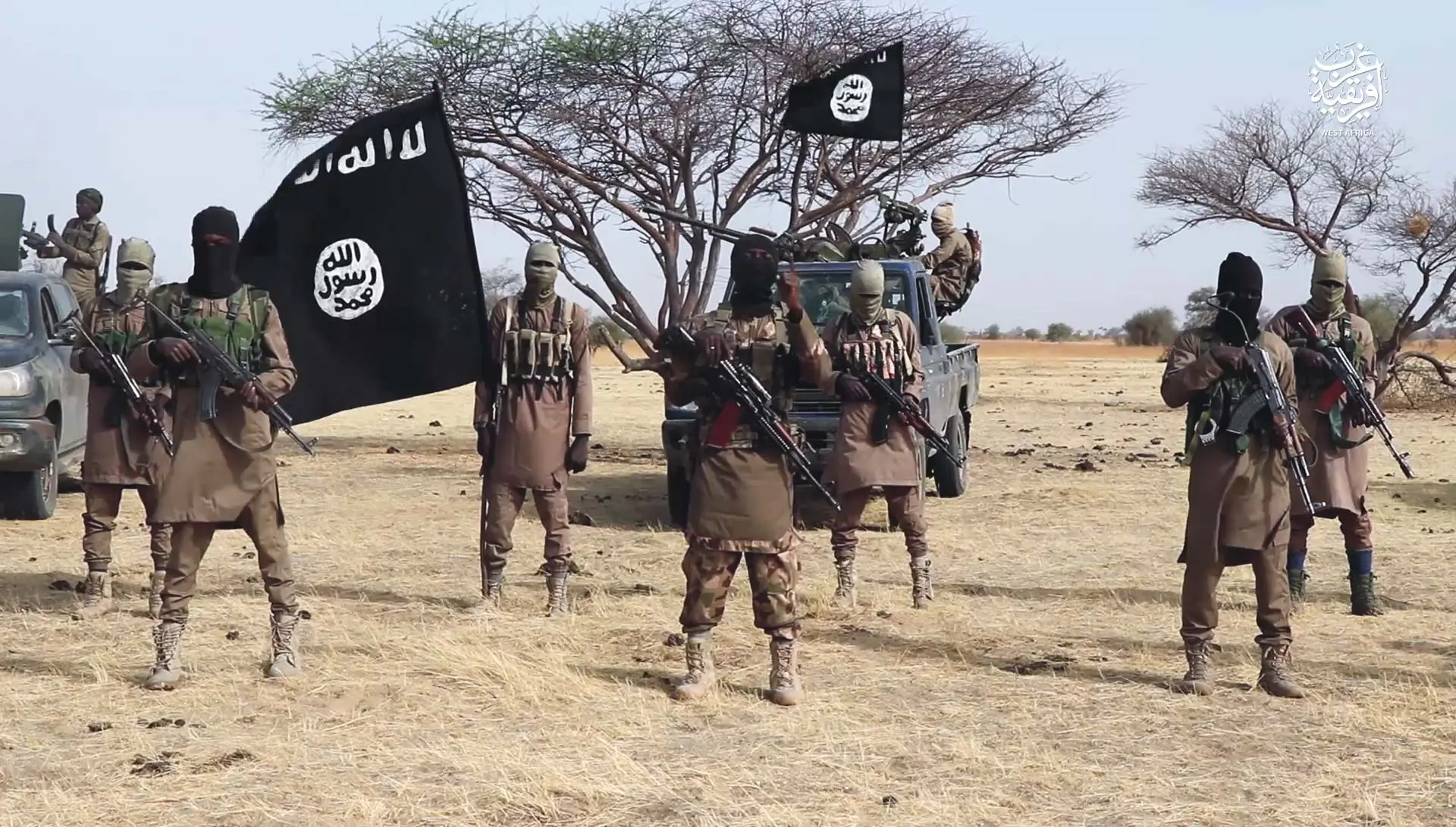
Nigeria has for more than a decade faced persistent security challenges, including attacks by jihadist groups in the North-East, banditry in the North-West, and communal and farmer-herder conflicts across several regions. These crises have resulted in thousands of deaths and large-scale displacement.
However, the Nigerian government has consistently rejected claims that the violence amounts to a genocide or that it targets Christians as a group. Officials maintain that insecurity in the country affects citizens across religious and ethnic lines.
Responding to similar allegations in the past, Nigerian authorities have argued that attacks are driven by terrorism, criminality, and resource-based conflicts rather than state-backed or religion-specific persecution.
The government has also cautioned foreign lawmakers against framing Nigeria’s security crisis along religious lines, warning that such narratives could deepen tensions.
Despite these denials, the issue continues to draw attention internationally, particularly in the United States, where some lawmakers have urged stronger diplomatic pressure on Nigeria and renewed calls for the country to be redesignated as a “Country of Particular Concern” under U.S. religious freedom laws.
The debate highlights ongoing disagreements over how Nigeria’s security crisis is defined and addressed, even as violence continues to affect communities across multiple regions of the country.
